The Victoria Falls border crossing links Livingstone in Zambia with Victoria Falls town in Zimbabwe over the Victoria Falls Bridge. You clear Zambian exit formalities at a post near the Zambian entrance to the falls, cross the bridge, and enter Zimbabwe at a post just outside Victoria Falls town. On foot it takes 30 to 40 minutes between the posts, plus queues. Zimbabwe's side has run around the clock since November 2025.
The layout
The Zambian border post is on the main road from Livingstone, about 10 km south of town and close to the entrance of Mosi-oa-Tunya National Park, where you see the falls from the Zambian side. Beyond it the road runs downhill through no-man's land to the bridge, which crosses the gorge more than 100 m above the river. The Zimbabwean post is on the far side, roughly a kilometre from the Zimbabwean entrance to the falls and a short walk from Victoria Falls town.
In all it is a couple of kilometres from post to post. Baboons and the occasional elephant use the same road, so keep food out of sight.
Crossing on foot
This is the usual way for a day trip from Livingstone to the Zimbabwean side.
- Take a taxi from Livingstone to the Zambian border post. Ask the driver to wait or arrange a pick-up time for your return.
- Fill in the departure form and get your passport stamped out of Zambia.
- Walk across the bridge. You will be offered taxis, bicycle taxis and souvenirs on the way; a polite no works.
- At the Zimbabwean post, fill in the arrival form and buy your visa if you need one. Pay in US dollars cash.
- From the post, walk to the falls entrance or take a Zimbabwean taxi into town.
Reverse the process in the afternoon. Most Zambian taxis are not set up to cross into Zimbabwe, and vice versa, so changing vehicles at the border is normal. Tour operators can run the whole thing in one vehicle, with the paperwork sorted in advance.
Bridge passes
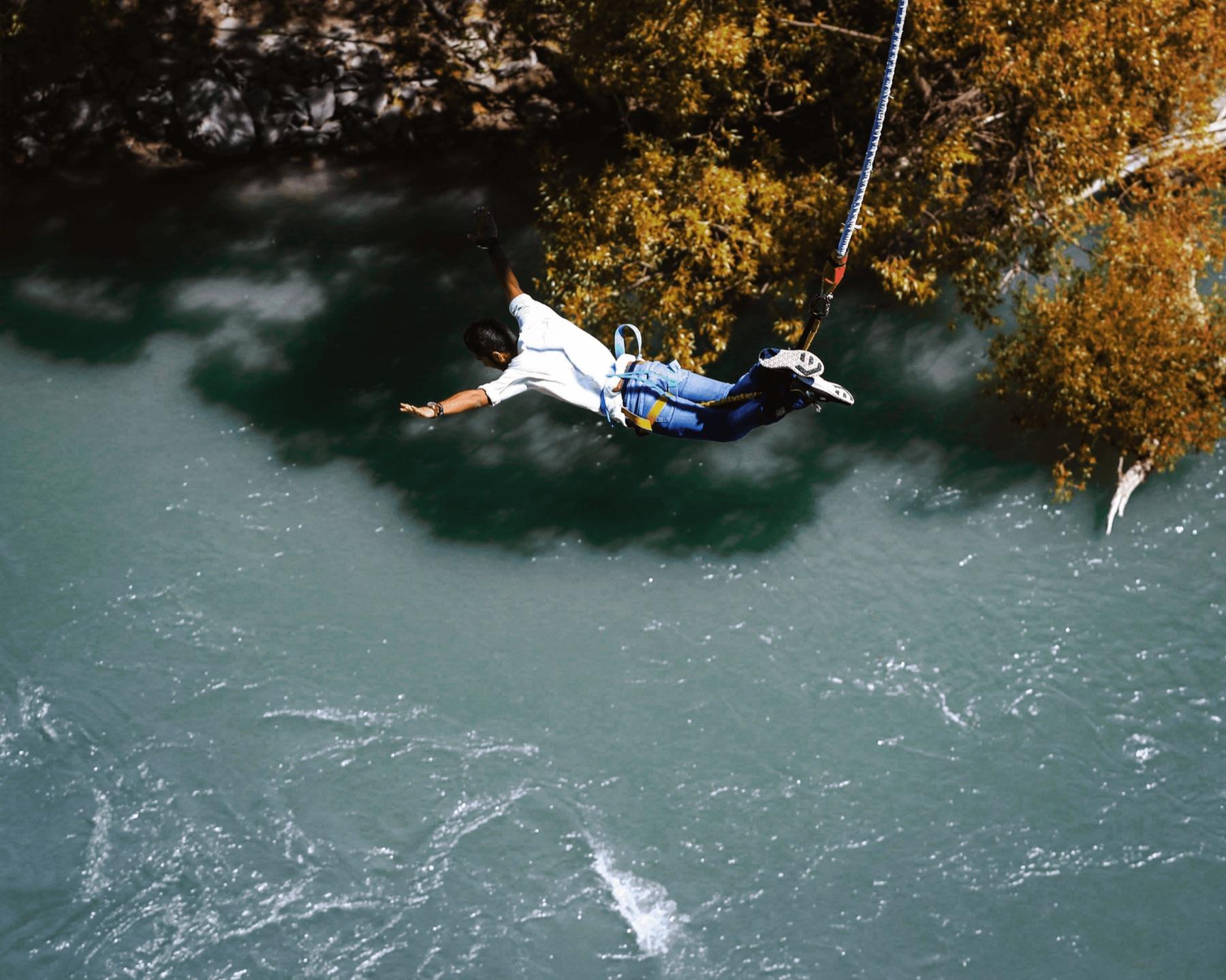
If you only want to go onto the bridge, for a bungee jump, the bridge tour or the view, you do not need to leave Zambia. Ask at the immigration counter for a bridge pass (sometimes called a gate pass). You show your passport, receive a slip and come back the same way without being stamped out. Keep the slip; you hand it in on the way back.
Driving across
Crossing in a private or hire car takes longer and involves more paperwork:
- Vehicle registration papers, and a letter of authority from the owner or rental company allowing the car into Zimbabwe.
- Zimbabwe's temporary import permit, third-party insurance and carbon tax, paid at the border.
- Zambian exit formalities for the vehicle, including the paperwork you received when you entered Zambia.
Fees change and are payable in a mix of currencies; carry US dollars. Not every rental company allows its cars into Zimbabwe at all, so check before you book. The self-drive guide covers the vehicle paperwork for Zambia.
Opening hours
Zimbabwe gazetted 24-hour operations at its Victoria Falls post in November 2025, replacing the previous 06:00 to 22:00 hours. The two governments describe it as a joint initiative. Even so, check the Zambian post's hours before a late crossing, and do not plan to cross after dark on foot: the bridge road is unlit and there is wildlife about.
Visas
What you need depends on your passport.
- Visa-free for Zambia, visa needed for Zimbabwe (for example British passports at the time of writing): buy a Zimbabwe single-entry visa at the post, or the KAZA UniVisa if you will cross several times. See Zimbabwe visa for Victoria Falls.
- Visas needed for both: the KAZA UniVisa usually makes most sense, covering both for 30 days.
- SADC passports: most citizens of southern African countries enter both without a visa.
Your passport will be stamped four times on a return day trip. Have spare blank pages.
When it gets busy
Mornings from about 08:00 to 10:00 and afternoons after 15:00 are the busiest, when tour groups cross and day-trippers return. The Zambian post also handles some commercial traffic, and a queue of trucks can slow vehicle processing; pedestrians are usually unaffected. Public holidays in either country, and the end of school holidays in South Africa, bring longer queues.
Money on the Zimbabwe side
Zimbabwe uses US dollars for most tourist transactions alongside its local currency. Kwacha are not much use there. Bring small dollar notes for the visa, taxis and the falls entrance fee, as change can be hard to come by.
Day trip or base on both sides?
A morning on the Zimbabwean side and back to Livingstone for lunch is easy. If you are staying upstream, a lodge such as Zambezi Dusk can arrange Victoria Falls visits through its partners, which saves you organising taxis at each end. For a fuller comparison of the two sides, read Victoria Falls: Zambia or Zimbabwe.