Victoria Falls sits on the border between Zambia and Zimbabwe, and the two sides give you very different experiences. Zimbabwe has the wider, front-on view of the main falls. Zambia gets you closer to the edge, has Devil's Pool and Livingstone Island, and is more spectacular when the river is high. In practice the best answer is often both: base yourself on one side and cross the bridge for a morning on the other.
How the falls divide
The falls are about 1.7 km wide. Roughly two-thirds of that width is on the Zimbabwean side, including Devil's Cataract and the Main Falls, which carry water all year. The Zambian side has the Eastern Cataract and the section around Livingstone Island, which are the first to thin out as the river drops.
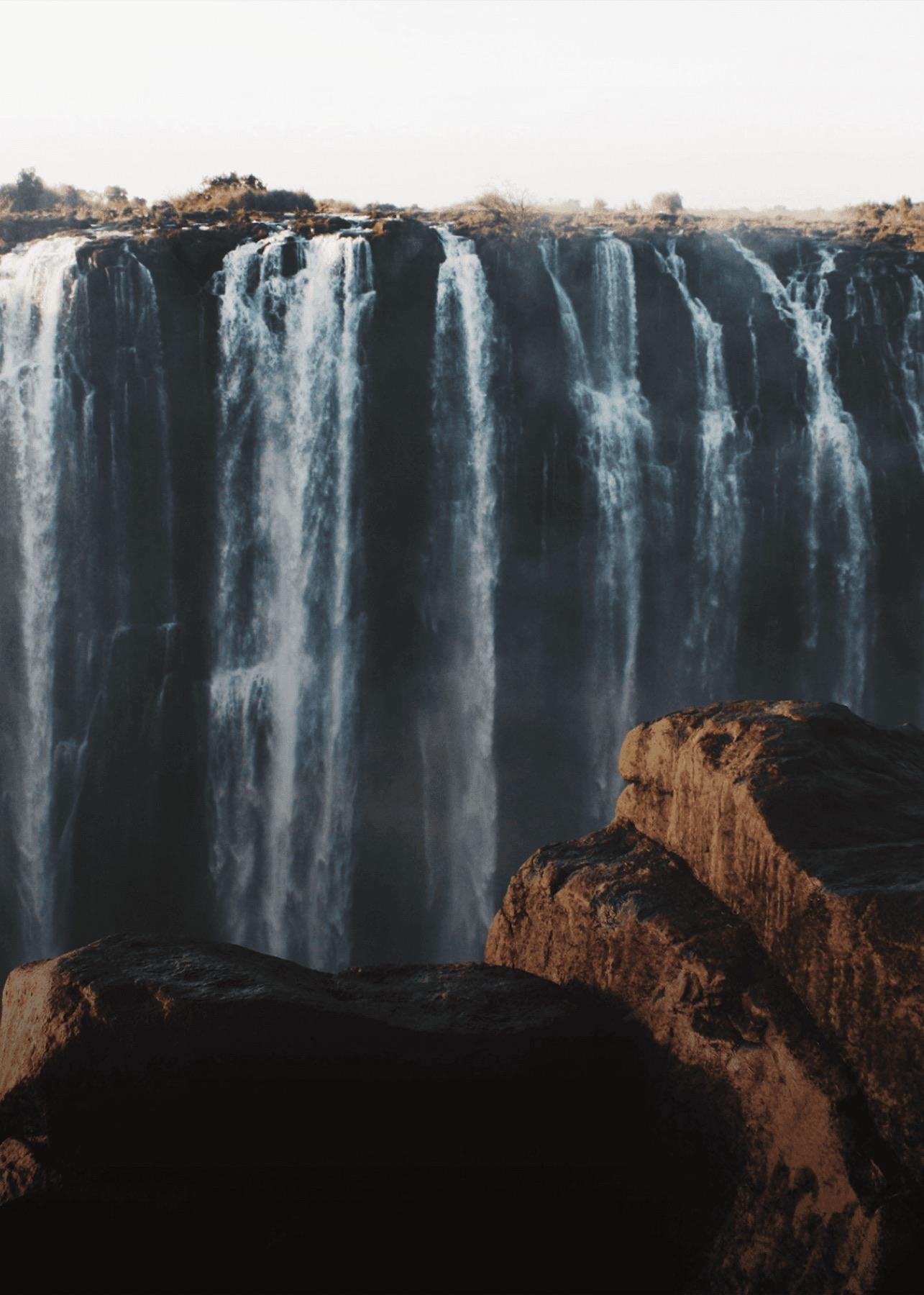
The gorge the water falls into is narrow, so you look at the falls from across a chasm rather than from below. That is why the angle matters so much.
The Zambian side
The Zambian side lies inside Mosi-oa-Tunya National Park, about 10 km from the centre of Livingstone.
What you get:
- The Knife-Edge Bridge, a footbridge over a gorge facing the Eastern Cataract. At high water it is the wettest place at the falls and, for many people, the highlight.
- The Boiling Pot trail, a steep walk down to the river below the falls.
- Views onto the Victoria Falls Bridge and the Batoka Gorge.
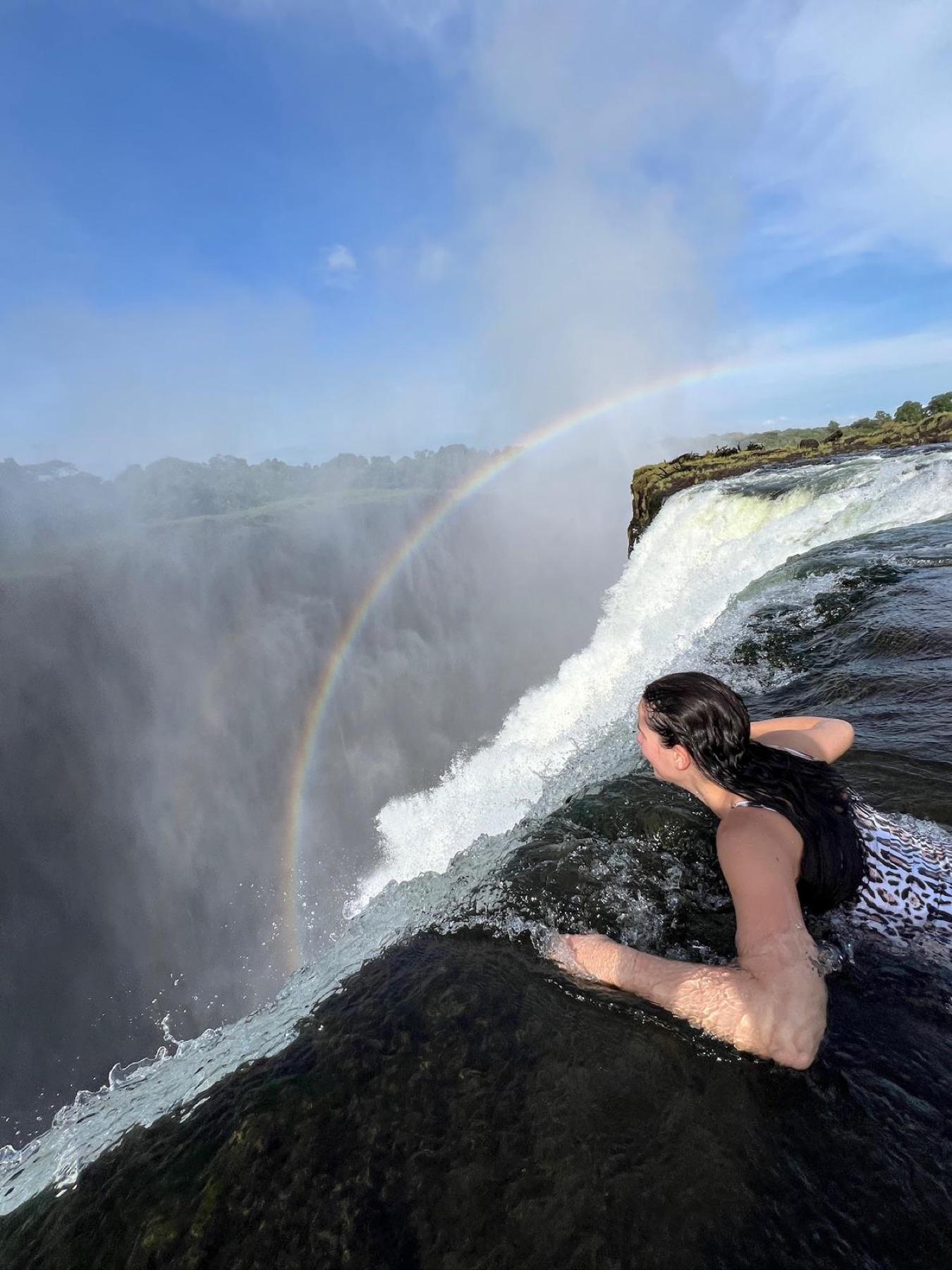
- Access to Livingstone Island and Devil's Pool, on the lip of the falls, in the low-water months.
Best time: from about February to July, when the Eastern Cataract is full. In October and November it can be close to dry. See the best time to visit Victoria Falls for a month-by-month account.
Entry fee: the international rate for the Zambian side was US$20 for years and was reported to rise to US$30 from January 2026. Check the current figure at the gate. Carry cash in case the card machine is not working.
The Zimbabwean side
Victoria Falls National Park in Zimbabwe runs along the opposite rim of the gorge. A path through a strip of rainforest leads to a series of viewpoints, starting at Devil's Cataract and ending at Danger Point, with the falls in front of you the whole way.
What you get:
- A long, front-on view of most of the falls, including the Main Falls.
- Water all year round, even in a dry November.
- A well-kept rainforest walk, wet in high water and cool in the heat.
- Close access to Victoria Falls town, which has a compact strip of hotels, restaurants and activity operators within walking distance of the park.
Best time: any month. In March to May the spray can hide much of the view, as on the Zambian side.
Entry fee: ZimParks raised the international day rate to US$58 in early 2026 after VAT was applied to park fees, according to reports at the time. Again, check before you go.
Comparing the two
| Zambia | Zimbabwe | |
|---|---|---|
| Share of the falls | About a third | About two-thirds |
| View | Close, side-on, dramatic | Front-on, panoramic |
| Low water (Oct–Nov) | Can be thin or dry | Keeps water |
| High water (Mar–May) | Very wet, heavy spray | Very wet, heavy spray |
| Devil's Pool | Yes | No |
| Nearest town | Livingstone, about 10 km | Victoria Falls town, walking distance |
| International entry fee (2026, reported) | About US$30 | About US$58 |
Crossing between the two
The Zambian and Zimbabwean border posts are on either side of the Victoria Falls Bridge, a few kilometres apart. You can walk, cycle or take a taxi between them. Zimbabwe moved its Victoria Falls border post to 24-hour opening in November 2025. The Zambian side has historically kept shorter hours, so check before planning a late crossing.
Bring your passport, and allow time for queues, which can be slow when tour groups arrive.
Visas
This is where most people get caught out. Many nationalities, including UK, US and EU passport holders, can visit Zambia without a visa. Zimbabwe is different: most Western visitors need a visa, available on arrival or online.
The simplest option for many is the KAZA UniVisa, which costs US$50 (at the time of writing, November 2026) and covers Zambia and Zimbabwe for up to 30 days, with as many crossings as you like between them. It has had periods of not being issued in the past. Full details are in our KAZA UniVisa guide.
If you only want a few hours in Zimbabwe, compare the UniVisa with Zimbabwe's single-entry fee for your passport. For some nationalities the single-entry visa is cheaper.
Where to base yourself
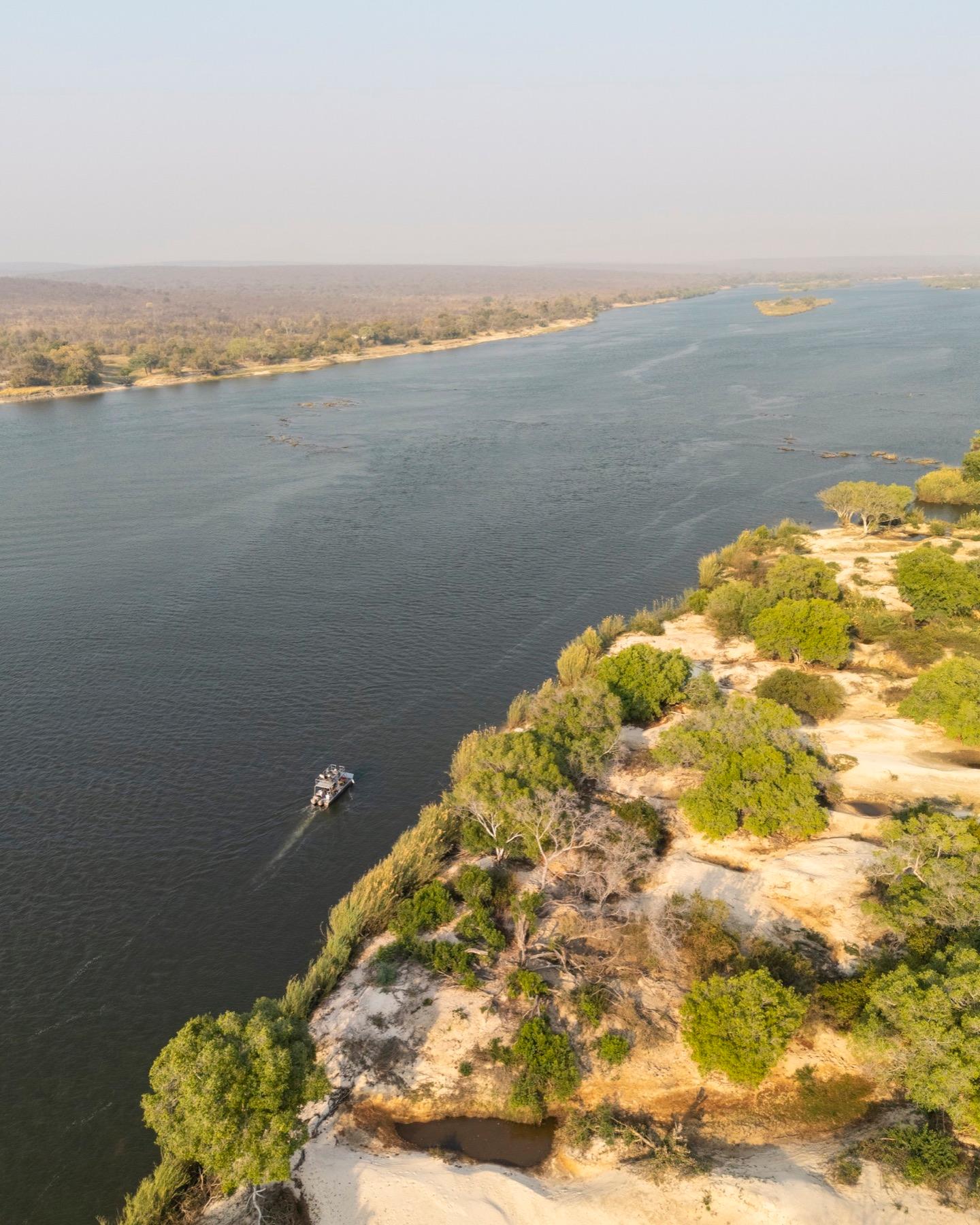
Livingstone is a working town about 10 km from the falls, with lodges spread along the upper Zambezi upstream. It suits people who want space, river views and a quieter base. The range of places to stay is described in where to stay in Livingstone.
Victoria Falls town is smaller and built around tourism. Most hotels are within walking distance of the park entrance and the restaurants. It suits people who want everything close at hand and don't mind a busier feel.
The two towns are close enough that the choice rarely limits what you can do. Most activities on either side offer pick-ups from both, sometimes for a supplement and always subject to the border.
Activities: does the side matter?
Some activities only run from one side:
- Devil's Pool and Livingstone Island: Zambia only.
- Bungee jump and bridge swing: from the Victoria Falls Bridge, which straddles the border. Operators take bookings on both sides.
- White-water rafting: runs from both banks into the same gorge.
- Helicopter and microlight flights: helicopters fly from both sides; microlights are based on the Zambian side.
- Sunset cruises: both sides, on the upper Zambezi.
A sensible plan
For a stay of three days or more, a common pattern is to base yourself in Livingstone, see the Zambian side early one morning, then cross to Zimbabwe for a second morning on the main viewpoints. Our 3-day Livingstone itinerary is built around that.