A Hwange day trip from Victoria Falls is a full day out to Zimbabwe's largest national park, about 200 km south-east of Victoria Falls town: roughly two to two and a half hours' drive each way, with a game drive of four to five hours in between. Pick-ups are around 05:30 to 06:30 and you are back by early evening. At the time of writing, day trips cost roughly US$200 to US$400 per person. From Livingstone you also need a visa that covers Zimbabwe and lets you back into Zambia.
Why Hwange
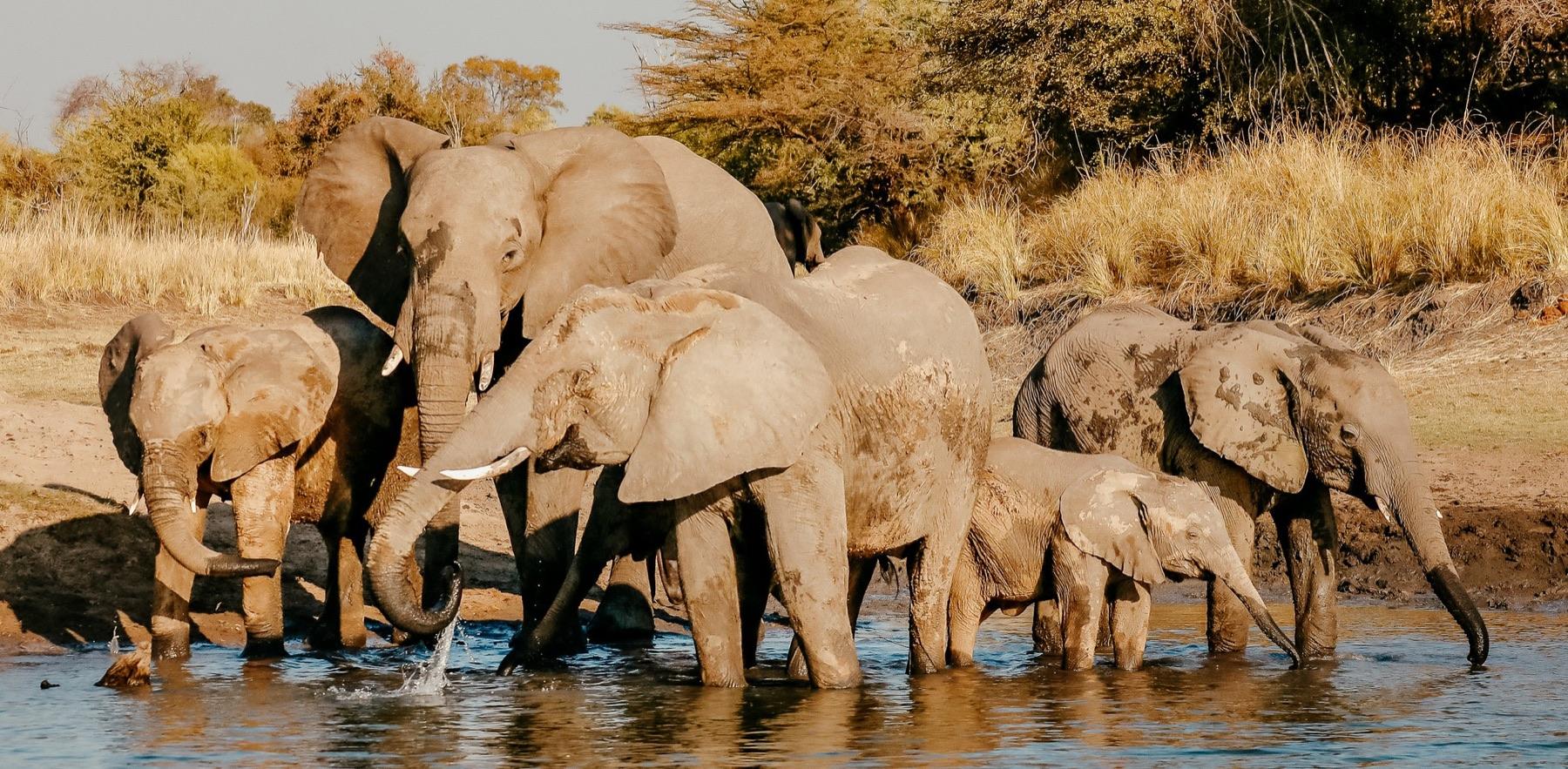
Hwange is about 14,600 km² of Kalahari sand, teak woodland and grassy pans, and is famous for its elephants: estimates run into the tens of thousands, among the largest populations in Africa. In the dry season water is scarce, and the park keeps a network of pumped waterholes running. Elephants, buffalo, giraffe, zebra, sable and many antelope come to drink, and the lions, hyenas and wild dogs follow.
A day trip only scratches the north-western corner of the park, around the main camp area. But in the right month it can deliver a lot of animals in a few hours.
What the day looks like
| Time | |
|---|---|
| 05:30–06:30 | Pick-up in Victoria Falls town |
| 08:30–09:00 | Arrive at the park; fees and paperwork |
| 09:00–13:00 | Game drive to waterholes and pans |
| 13:00 | Lunch, often at a picnic site or camp |
| 14:00–15:30 | Shorter afternoon drive |
| 16:00 | Leave the park |
| 18:00–18:30 | Back in Victoria Falls |
Trips are usually in an open safari vehicle for the game drive, sometimes in a closed minibus for the road transfer. Ask which. A day in a closed vehicle is much less rewarding.
Prices
At the time of writing (late 2026):
- Day trips from Victoria Falls town: roughly US$200 to US$400 per person.
- Some prices include park entry, lunch and drinks; others charge the park fee on top. Hwange fees were being reported at different figures in 2026, so ask what is included.
- Private trips cost more, but you control the timing.
Prices change, and minimum numbers often apply.
Visas and borders from Livingstone
Hwange is in Zimbabwe. If you are staying in Livingstone:
- You need entry to Zimbabwe and re-entry to Zambia. The KAZA UniVisa, US$50 at the time of writing, covers both for most nationalities.
- You cross the border at the Victoria Falls Bridge twice. The border opens early, but not always early enough for a 05:30 departure from Victoria Falls town, so you may need a later start or a night in Victoria Falls town.
- Allow time for queues on the way back, and check the border closing time.
Our pages on crossing the border at Victoria Falls and the Zimbabwe visa explain the paperwork.
Best time to go
| Months | Conditions |
|---|---|
| July to October | Dry; animals concentrated at waterholes; best game viewing. October is very hot. |
| May and June | Cool, drying out; good, with greener landscapes |
| November to April | Rains; animals disperse, grass is tall; good for birds, less so for big game |
Is it worth it?
Honestly, as a day trip, it is a stretch. Five hours in a vehicle for four or five hours in the park is a big ratio. It makes sense if:
- You are staying in Victoria Falls town and have a spare day.
- You cannot fit an overnight safari into your trip.
- It is the dry season.
If you can, spend at least one night in or near Hwange. Two or three nights are better.
The Chobe alternative
From Livingstone, Chobe National Park in Botswana is closer: about an hour to the Kazungula border, with a boat cruise on the Chobe River and a game drive in the park, back the same evening. The elephant viewing in the dry season is just as good, and the KAZA UniVisa allows day trips into Botswana through Kazungula. Our Victoria Falls and Chobe itinerary shows how it fits.
Zambezi Dusk, upstream on the Kazungula Road and so already on the way to the border, arranges Chobe day trips on request through partners, which for most guests there is a simpler outing than Hwange.
What to bring
- Warm layers for the early start: June and July mornings in an open vehicle are cold, near freezing at times.
- A hat, sunscreen and water for the middle of the day.
- Binoculars; the waterholes can be wide.
- Cash in small US dollar notes for tips and drinks.
- Your passport, and any visa documents.
Hwange is in a malaria area, so take advice from a travel clinic before you go.