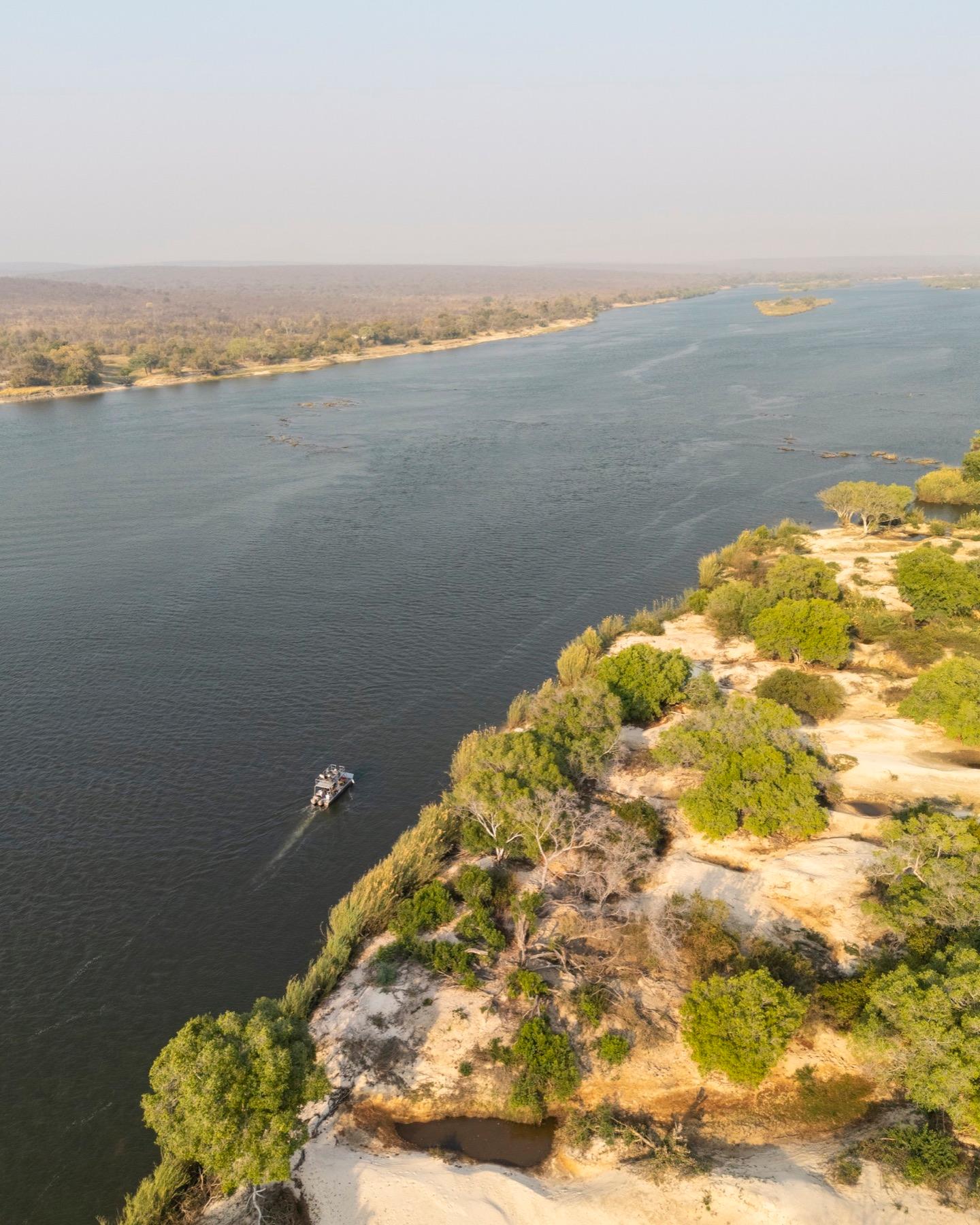
Fishing on the upper Zambezi means a half or full day in a small boat on the broad river above Victoria Falls, casting for tigerfish, several species of bream and the occasional big catfish. The best tigerfish months are usually August to November, as the river drops and warms; May to August suits fly fishing. Tigerfish are released; licences cost a few dollars and are usually arranged by the operator.
What you catch
Tigerfish are the reason most people come. Silver with black stripes, red fins and a mouth full of interlocking teeth, they are fast, acrobatic fighters that leap clear of the water when hooked. On the upper Zambezi, fish of 1 to 4 kg are typical, with larger fish possible. They throw hooks constantly: landing one in three is good going.
Bream (several tilapia species, plus the predatory nembwe) are the other mainstay. They feed among reed beds and along drop-offs, and are good on light tackle and fly.
Vundu, a large catfish, lives in the deeper channels and can reach very large sizes; it takes bait fished on the bottom.
Other species, including the smaller squeaker catfish and barbel, turn up too.
Best months
| Months | River | Fishing |
|---|---|---|
| May to July | Falling after the flood, clearing | Good for bream and fly fishing; tigerfish sluggish in cold mornings |
| August to November | Low, clear and warming | Best tigerfish, especially September to November |
| December to February | Rising, coloured | Patchy; many waters observe a closed season over the spawning months |
| March to April | High flood | Fishing difficult; fish scattered in flooded vegetation |
Some sources describe a closed season from about December to February on many Zambian waters, to protect spawning. It is enforced unevenly; your operator will know the current position.
What a trip looks like
Most trips are run from the Zambian bank upstream of Livingstone, in small aluminium boats with a guide who knows the channels. A half day is usually four hours, out early in the morning or in the late afternoon. A full day includes lunch on an island or the bank.
The guide moves between spots: drifting along the edge of fast water for tigerfish, casting lures or using bait such as small fish strips; then easing into backwaters and along reed lines for bream. Expect to change rigs often.
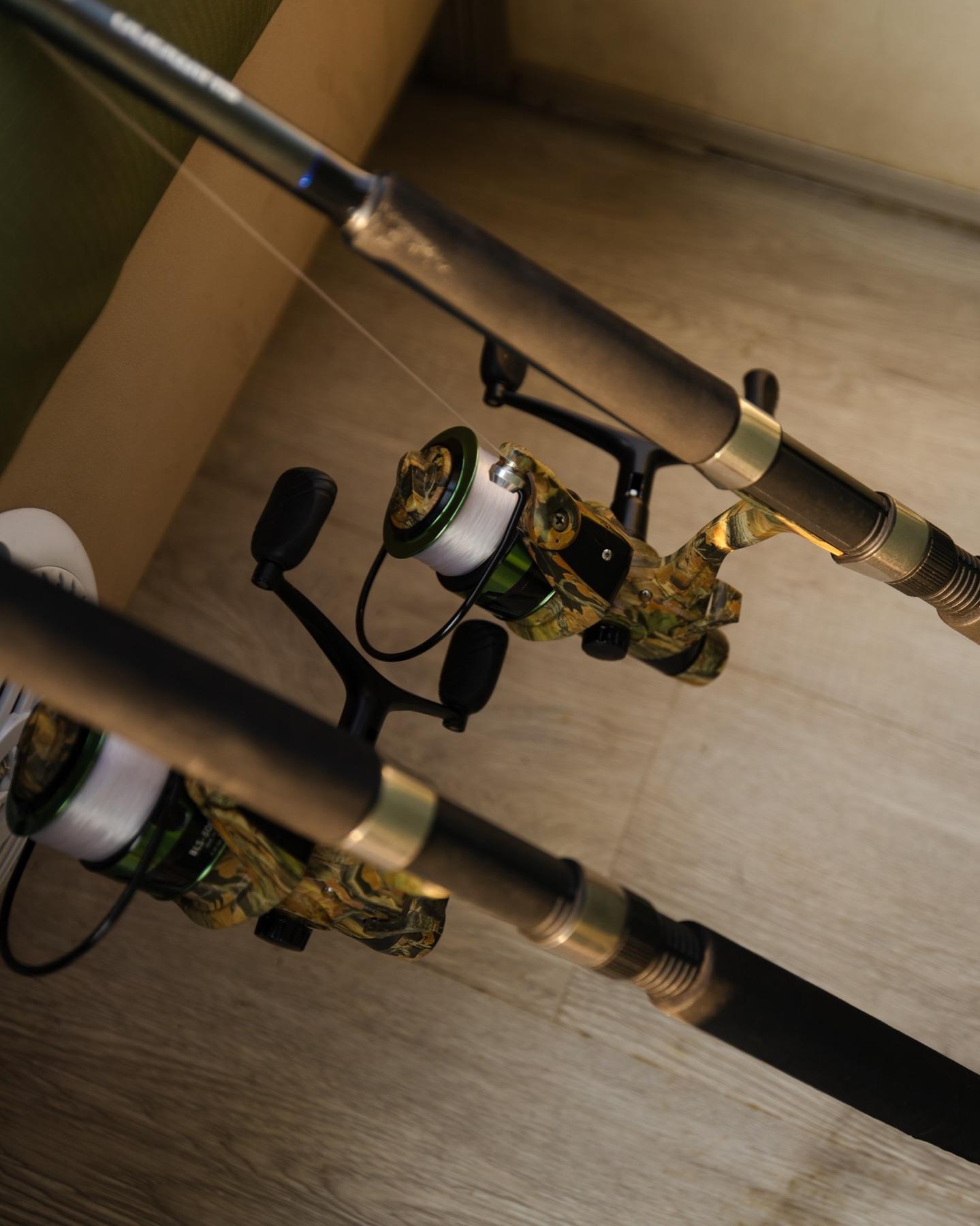
Tigerfish need steel wire traces: they bite through nylon in an instant. Operators provide tackle, but if you bring your own, pack plenty of traces, strong hooks and sharp spinners.
Catch and release
Tigerfish on the upper Zambezi are released almost without exception, to protect populations that face pressure from netting. Handle the fish wet, with a minimum of time out of the water, and support its weight. Barbless or squashed-barb hooks make release quicker. Bream may sometimes be kept within limits, but many anglers release everything.
Licences and permits
- Zambian side: you need a fishing licence, which costs a few US dollars and is usually arranged by the operator.
- Zimbabwean side: the far bank is Zambezi National Park, where fishing requires a park permit as well.
Check that your operator holds the right permits for where they take you.
Safety on the water
- Hippos and crocodiles share the river. Never wade, and never trail a hand in the water. Guides keep boats clear of hippo pods.
- Sun: there is little shade on a small boat. Bring a wide hat, high-factor sunscreen, sunglasses and long, light sleeves.
- Life jackets should be provided; wear one if conditions are rough.
Prices
Guided fishing is usually priced per boat rather than per person, with two to four anglers sharing, and a full day costs more than a half day. Tackle, drinks and licences are often included. We did not find a reliable current price list, so ask for a quote and confirm what is covered.
Fitting it in
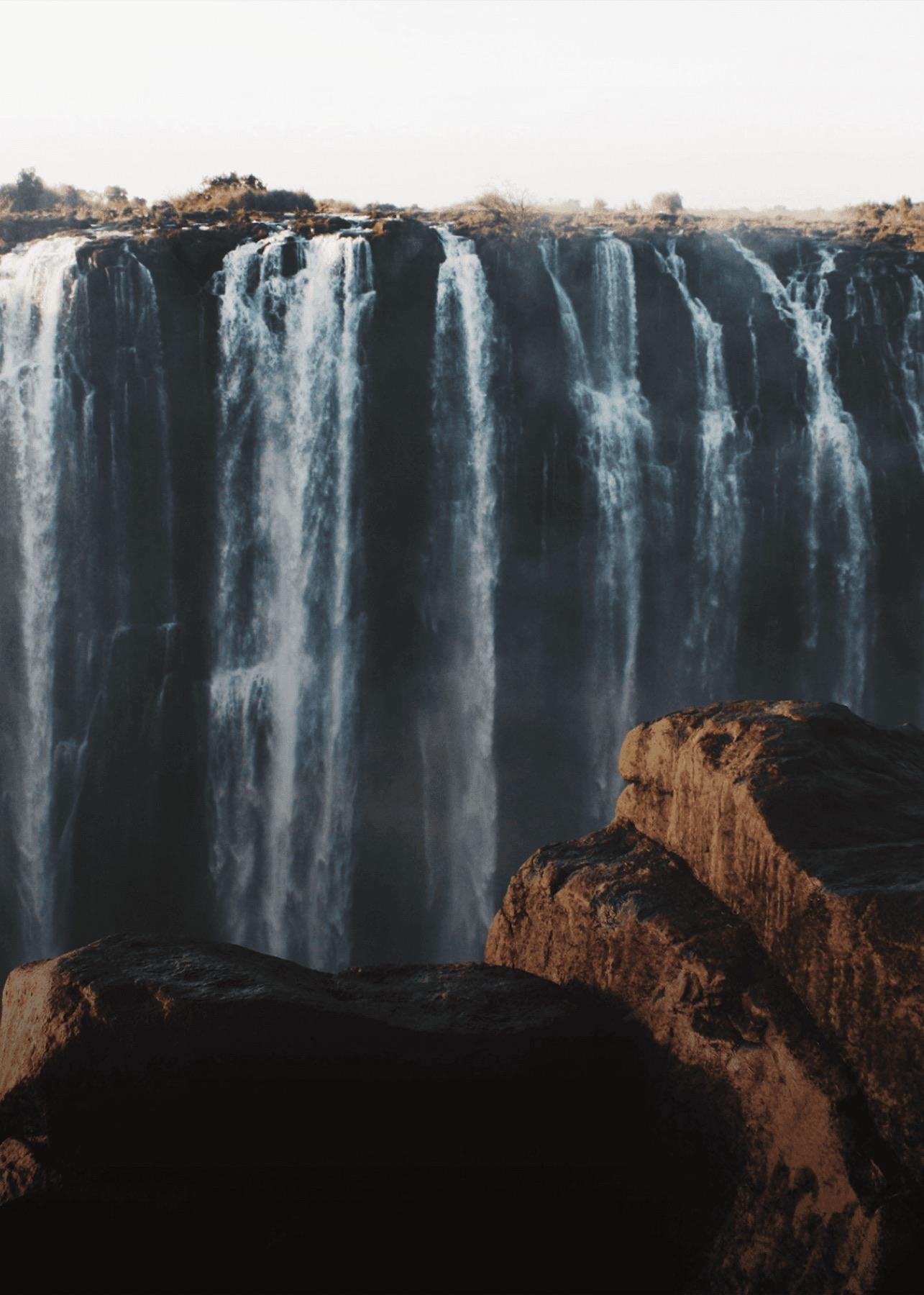
Tiger fishing fits easily into a morning, leaving the afternoon free for a falls visit or a sunset cruise. For the wider planning picture, see the best time to visit Victoria Falls.
Zambezi Dusk, on the riverbank upstream of the falls, arranges tiger fishing on the Zambezi for guests through partner operators.