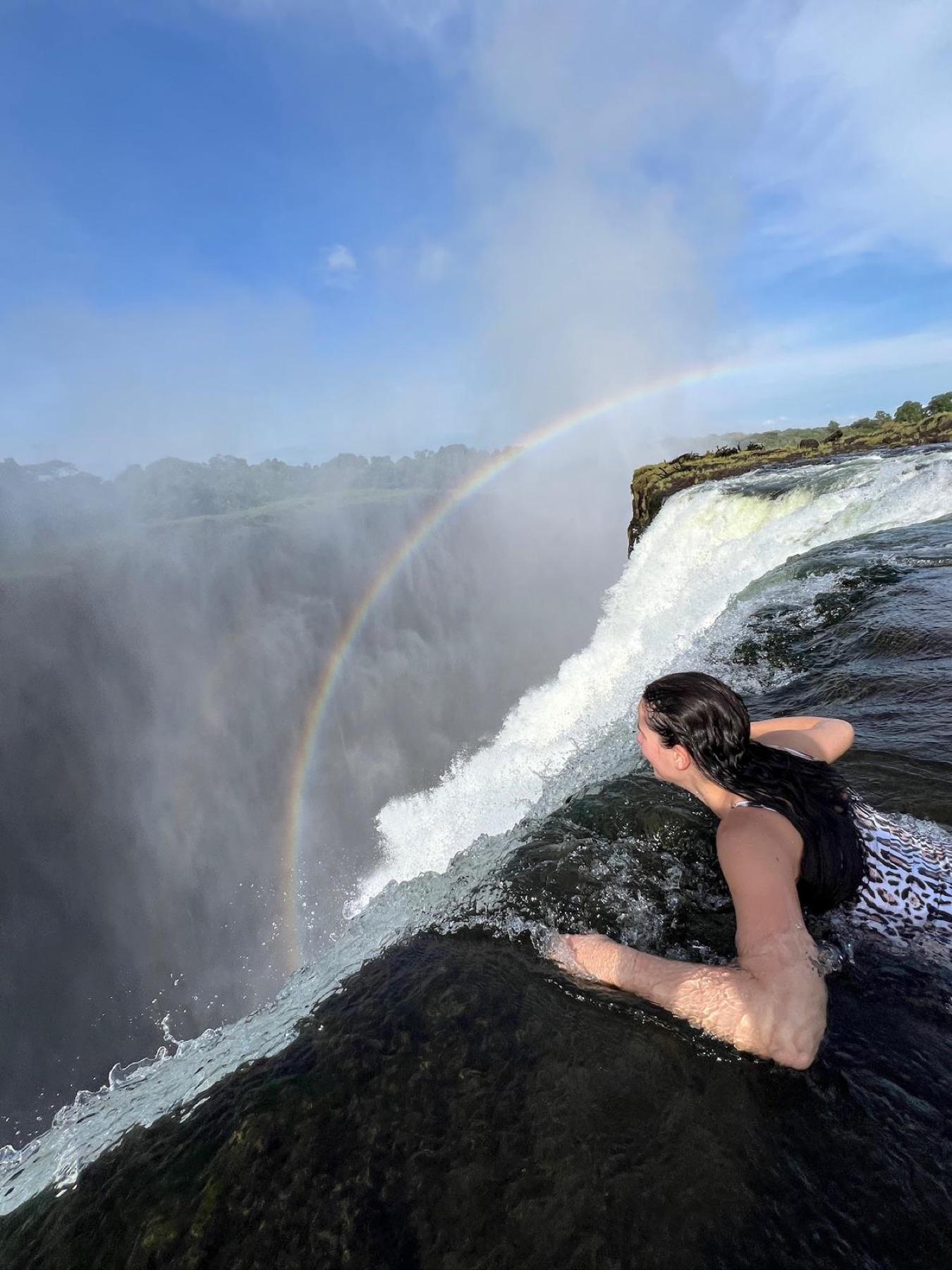
The short answer: Victoria Falls is at its most powerful from March to May, easiest to see whole in June and July, and lowest in October and November. Which of those is "best" depends on what you want from the trip. If the point is the sheer weight of water, go early in the year. If you want to swim in Devil's Pool or raft the full gorge, go from mid-August to December.
The timing confuses people because the falls do not follow the local rain. The Zambezi's water comes mostly from the wet season far upstream in Angola and north-western Zambia, and it takes months to arrive. So the falls keep rising for weeks after Livingstone's own rains have stopped, and they are still low when the first storms break over town in November.
For temperatures, rainfall and what to pack, see our separate Victoria Falls weather by month guide. This page is about the water and what you can do with it.
Month by month
January and February
The river is rising after its low point. Flow builds steadily, the rock faces on the Zambian side fill back in, and spray starts to climb above the gorge again. Devil's Pool usually closes some time in January. Local rain is at its heaviest, mostly in short afternoon downpours, and the bush around Livingstone is at its greenest. Fewer visitors, and lodges are often quieter.
March, April and May
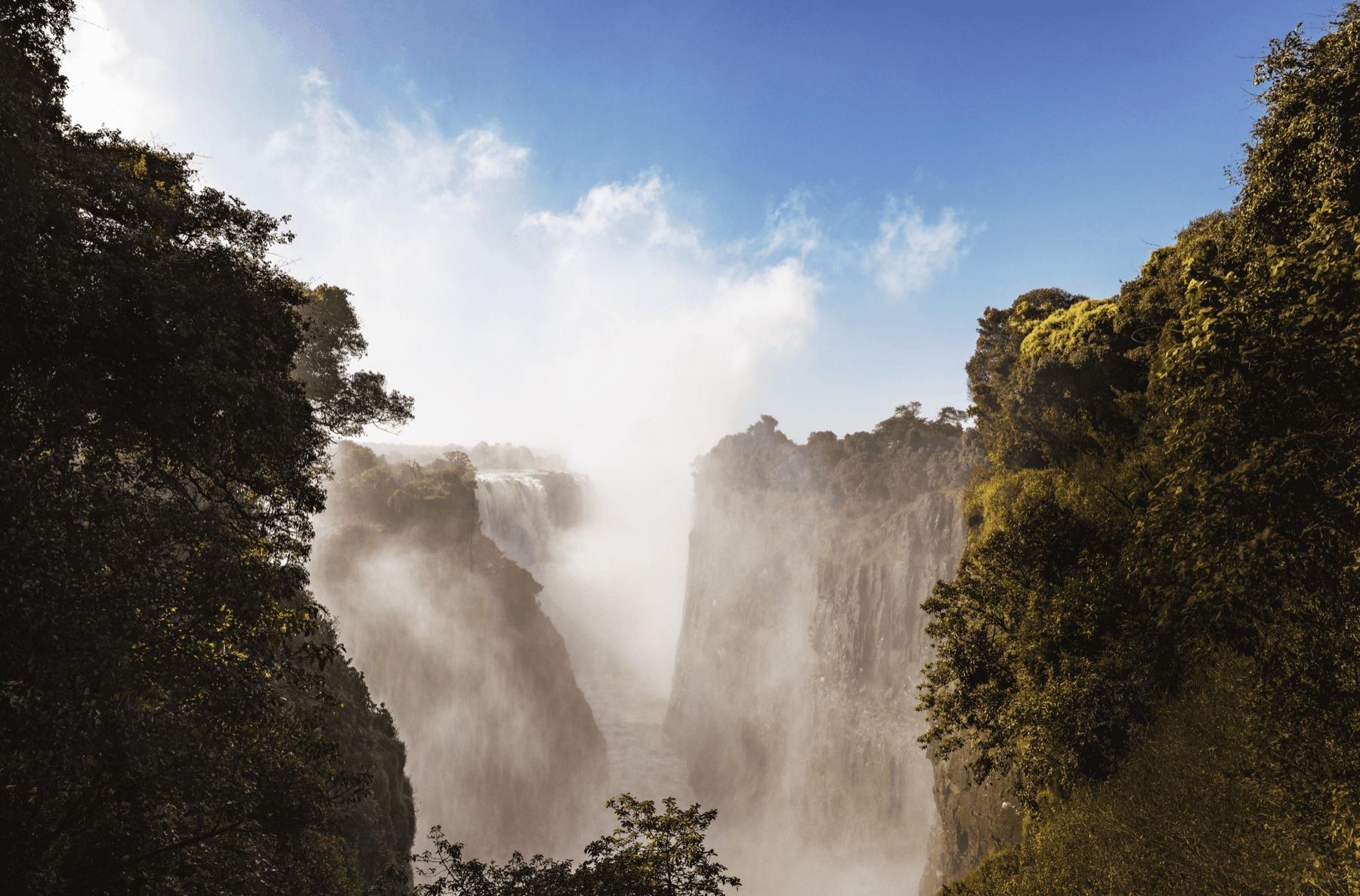
High water. In a normal year the flow peaks somewhere in this window, often around April. On the Zambian side the spray rises hundreds of metres and can fall back like a hard rain on the path through the rainforest. You will see a white wall, hear a lot, and photograph very little from the main viewpoints. A raincoat or poncho is not optional, and phones need a waterproof pouch.
This is the time to see the falls from the air. A helicopter flight over Victoria Falls or a microlight flight shows the full width of the falls and the plume, which you cannot take in from the ground. White-water rafting usually stops or runs a shortened section while the water is highest.
June and July
Still a lot of water, but the spray drops enough that you can see the falls rather than just feel them. Many people who have been several times think this is the best compromise. Mornings and evenings are cool. School holidays in the northern hemisphere and July in southern Africa make this a busy period, so book activities and accommodation early.
August and September
The river falls week by week. Views across to the main falls are clear, the gorge below is visible, and the rafting operators usually move back to the full run through the lower gorge. Devil's Pool and the tours to Livingstone Island usually reopen around mid-August once the water drops far enough. The dry season is well under way, so the bush is brown and game viewing upstream along the river is good.
October and November
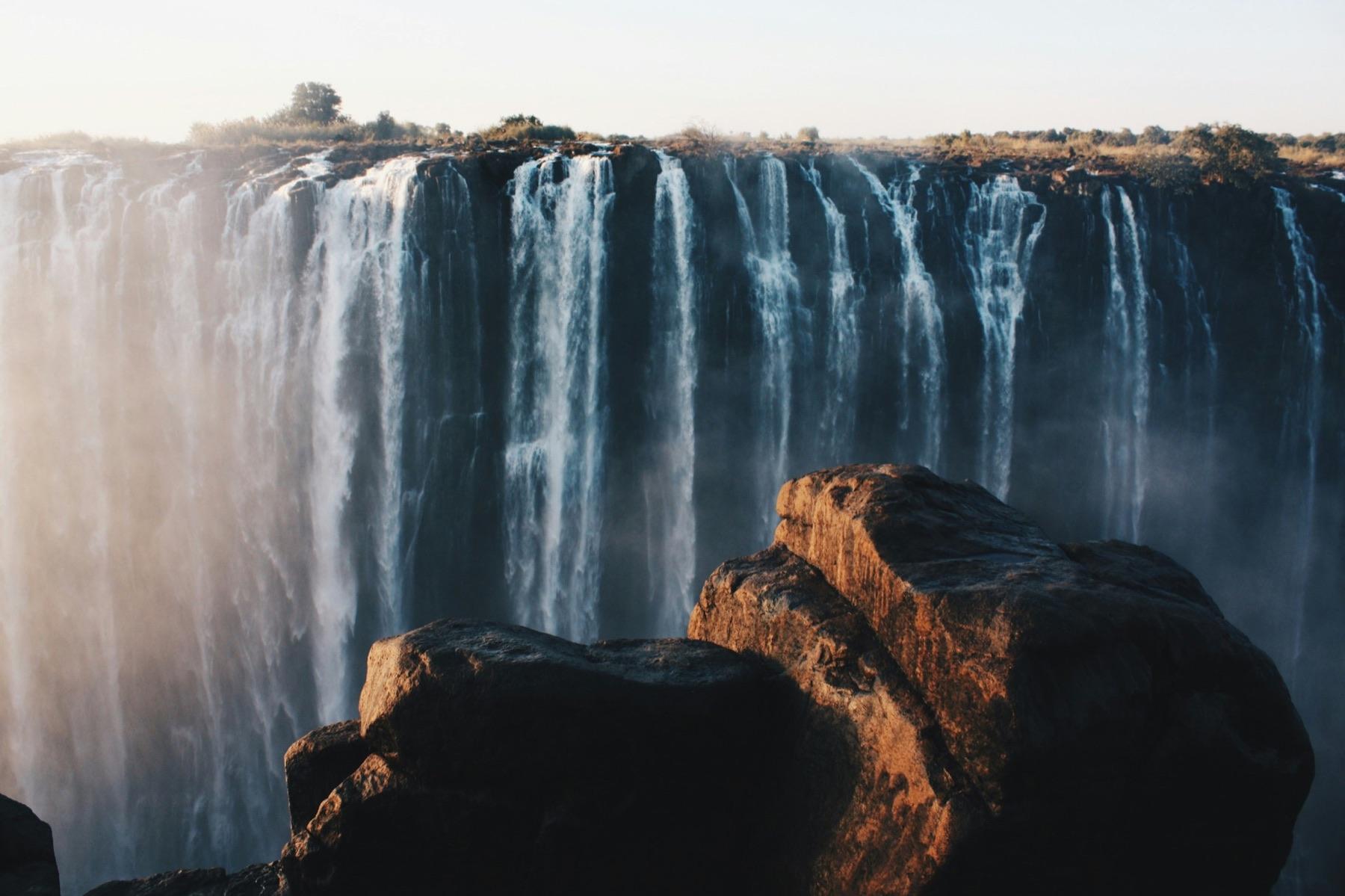
Low water. On the Zambian side, the Eastern Cataract and much of the face near Livingstone Island can be thin streams or bare basalt. Some visitors are disappointed by this. Others find it the most interesting time, because you can see the geology of the gorge and the shape of the lip that is hidden for most of the year. The Zimbabwean side, around Devil's Cataract and Main Falls, keeps water all year and is worth a day trip at this time. See Victoria Falls: Zambia or Zimbabwe for how to do that.
October is the hottest month and the air is hazy from bush fires. The first rains usually arrive in November.
December
The rains are under way and the river begins its slow climb. Devil's Pool is usually still open, and rafting continues on the low-water run. It is a good month for a mix of everything, with green returning to the bush.
Quick reference
| Months | Water | Views from the ground | Devil's Pool | Rafting (typical) |
|---|---|---|---|---|
| Jan–Feb | Rising | Improving | Usually closes in Jan | Low-water run, then changes |
| Mar–May | Peak | Heavy spray, limited | Closed | Often closed or shortened |
| Jun–Jul | High, falling | Good | Closed | Shortened run, reopening |
| Aug–Sep | Falling | Clear | Opens around mid-Aug | Full run |
| Oct–Nov | Lowest | Clear, Zambian side thin | Open | Full run |
| Dec | Starting to rise | Clear | Open | Full run |
These are typical patterns. A wet or dry year upstream can shift each stage by several weeks, and in a drought year such as 2019 the Zambian side was almost dry by late in the year. Activity operators set their own opening dates, so check close to your trip.
Lunar rainbows
On and around the full moon, when the spray is strong and the sky clear, a rainbow forms by moonlight over the falls. The rainforest on both sides opens for evening viewing on these nights. It is usually best from about March to July. By the low-water months the Zambian side often does not have enough spray to produce one.
What each season means for your plans
- First visit, one shot at it: June or July. You see the falls properly and still get wet.
- Devil's Pool or rafting the full run: mid-August to December.
- Flying over the falls: any time, but March to May shows the most water.
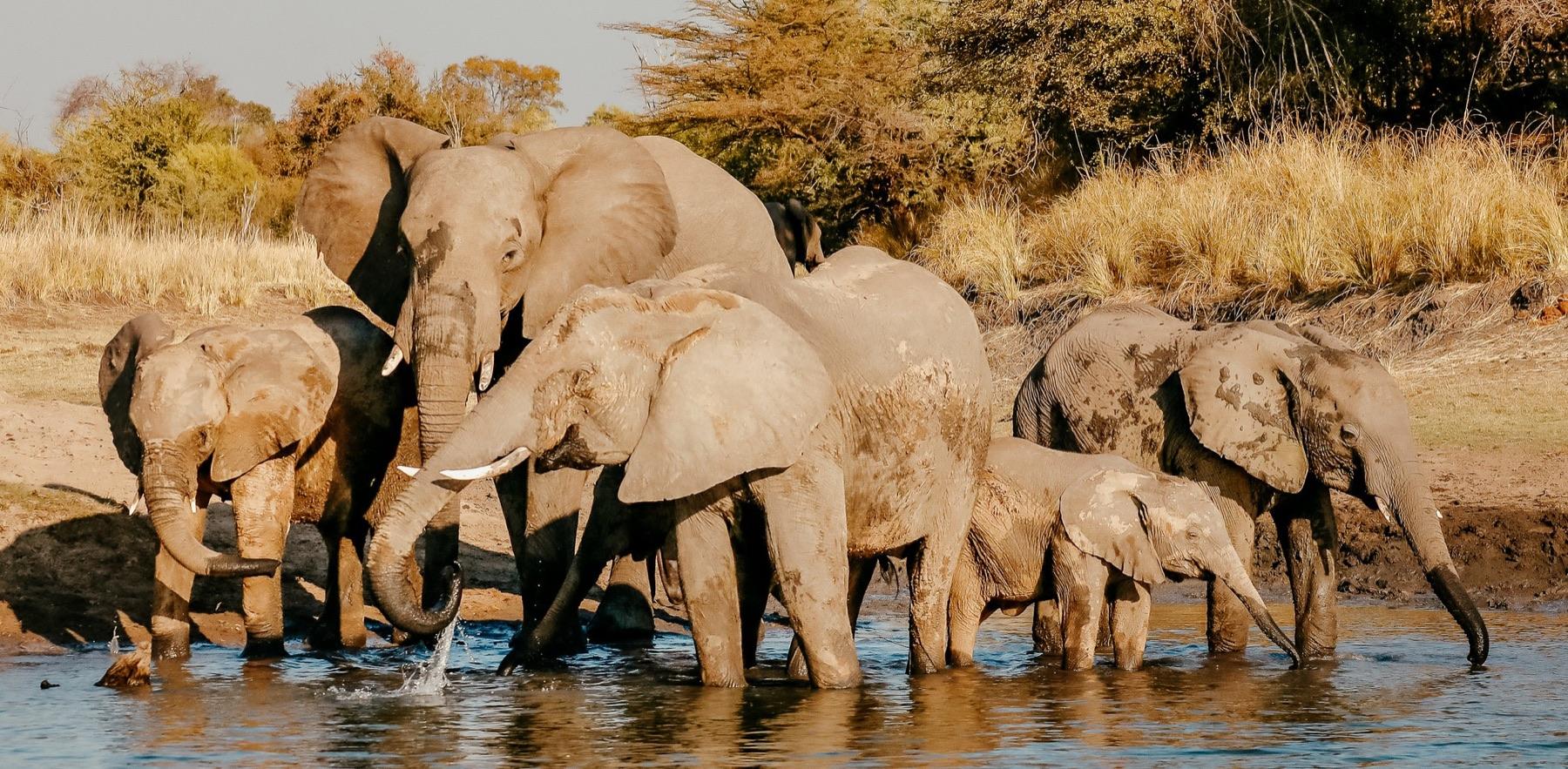
- Combining with a safari in Chobe: August to October has the best game viewing, as animals gather at the river. See the Victoria Falls and Chobe 5-day itinerary.
- Lower prices and fewer people: January to March, if you can live with afternoon storms.
If Devil's Pool is the main reason for the trip, there is more detail on the swim itself on the Devil's Pool page of our sister site.
Checking the current level
The Zambezi River Authority publishes flow readings for the river at Victoria Falls, and operators in Livingstone post updates during the changeover months. If you are deciding between two dates in July or January, these are more useful than any average.