Yes, for most visitors Livingstone is a safe place. Zambia is politically stable, violent crime against tourists is rare, and the town is used to visitors. The things that actually go wrong are smaller and more predictable: a phone lifted from a café table, a taxi fare that doubles, a car hitting a cow on an unlit road, or an elephant on the path back to your room. Plan around those and you have dealt with most of the risk.
Government travel advice changes, so read the current version before you book and again before you fly. The UK Foreign, Commonwealth & Development Office (FCDO), the US State Department and the Irish and Canadian foreign ministries all publish advice for Zambia. At the time of writing, late 2026, the US advisory sits at its lowest level ("exercise normal precautions"), and the others flag petty theft and road safety rather than any threat specific to Livingstone. Your travel insurance may depend on you following your own government's advice.
Crime in town
Livingstone town centre is busy in the day and quiet after dark. Foreign and local advice points to the same patterns: pickpocketing and bag snatching near the bus and train stations, in markets, and around cafés where people put phones on the table.
- Carry a small bag that closes, worn across your body.
- Leave passports, spare cards and most cash in the safe where you are staying. A photocopy or photo of your passport is enough for most of the day, but carry the original if you are crossing to Zimbabwe.
- Draw money at ATMs inside banks or shopping centres in daylight. Our guide to money in Zambia covers cards and cash in detail.
- Don't leave anything visible in a parked car, even for ten minutes.
Car break-ins and occasional carjackings are reported in Lusaka and, less often, Livingstone. If you are driving yourself, keep doors locked in town and park where there is a guard.
Scams and touts
Most of the hassle is at the border and around the falls entrance.
Money changers on the bridge. People will offer to change dollars, kwacha or rand on the Victoria Falls Bridge and at both border posts. Rates are poor and short-changing is common. Change money at a bank or bureau.
"Helpers" at the border. Someone may offer to fill in your forms or speed you through immigration for a fee. You don't need them. Forms are short and officials will hand you the right one.
Craft sellers. Persistent rather than dangerous. A firm "no thank you" works, and it is fine to keep walking.
Taxis. There are no meters. Agree the fare before you get in, and ask your lodge what a fair price is for the journey. See getting around Livingstone for typical trips.
Roads and driving
Road accidents are a bigger risk to visitors than crime. The roads around Livingstone are mostly tarred and in fair shape, but:
- Livestock, pedestrians and cyclists use the road without lights.
- Elephants cross the Kazungula Road and the road through the national park, especially at dusk.
- Potholes appear quickly after the rains.
- Trucks heading for the Kazungula and Victoria Falls borders overtake hard.
The simplest rule: don't drive between sunset and sunrise outside town. If you are arriving on a late flight, take a pre-booked transfer.
Wildlife
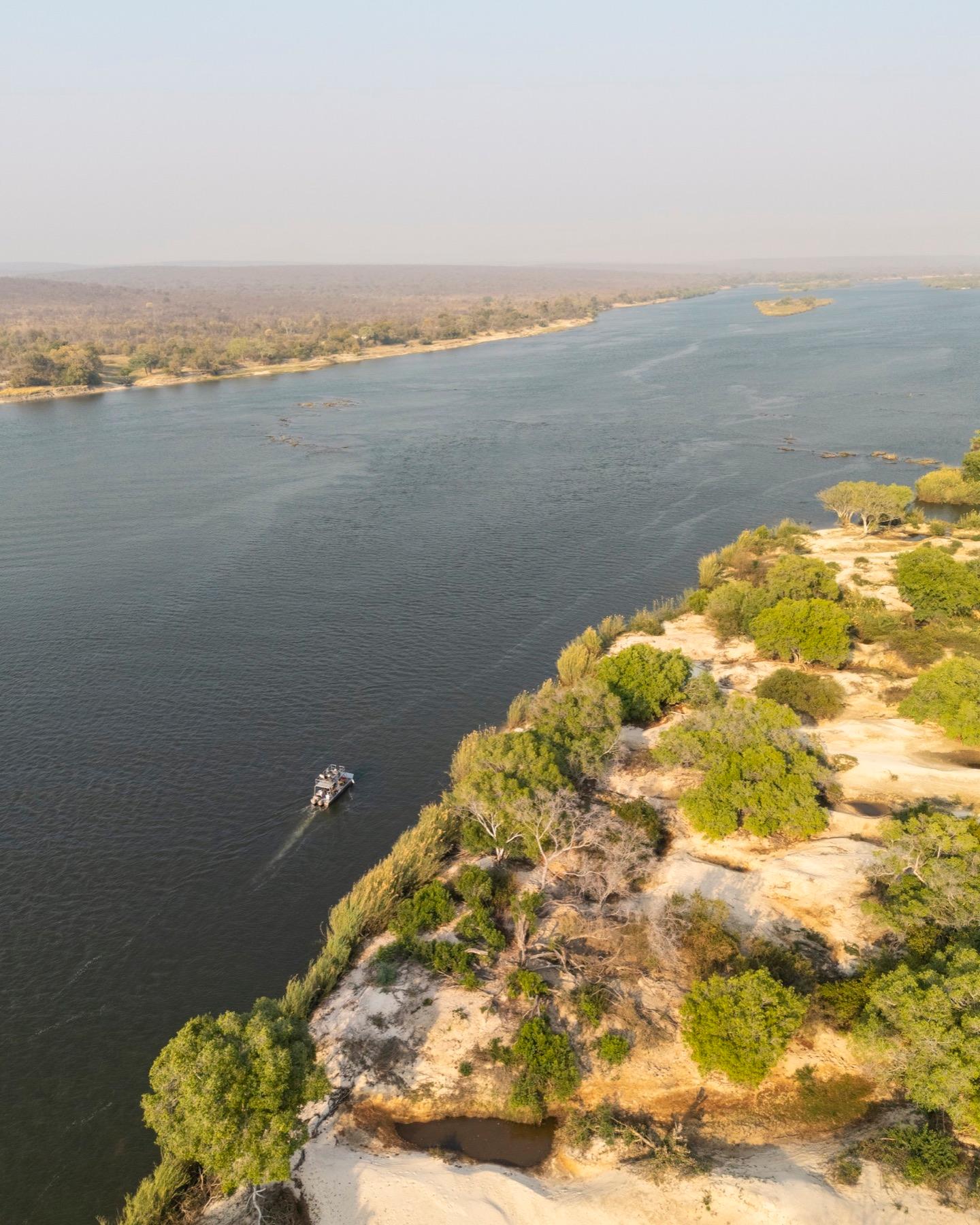
This is the part visitors underestimate. Livingstone sits beside a national park with no fences, and the riverfront is a corridor for elephants, hippos, buffalo and the occasional crocodile.
- Hippos leave the water at night to graze on riverbanks and lawns. Never walk between a hippo and the river.
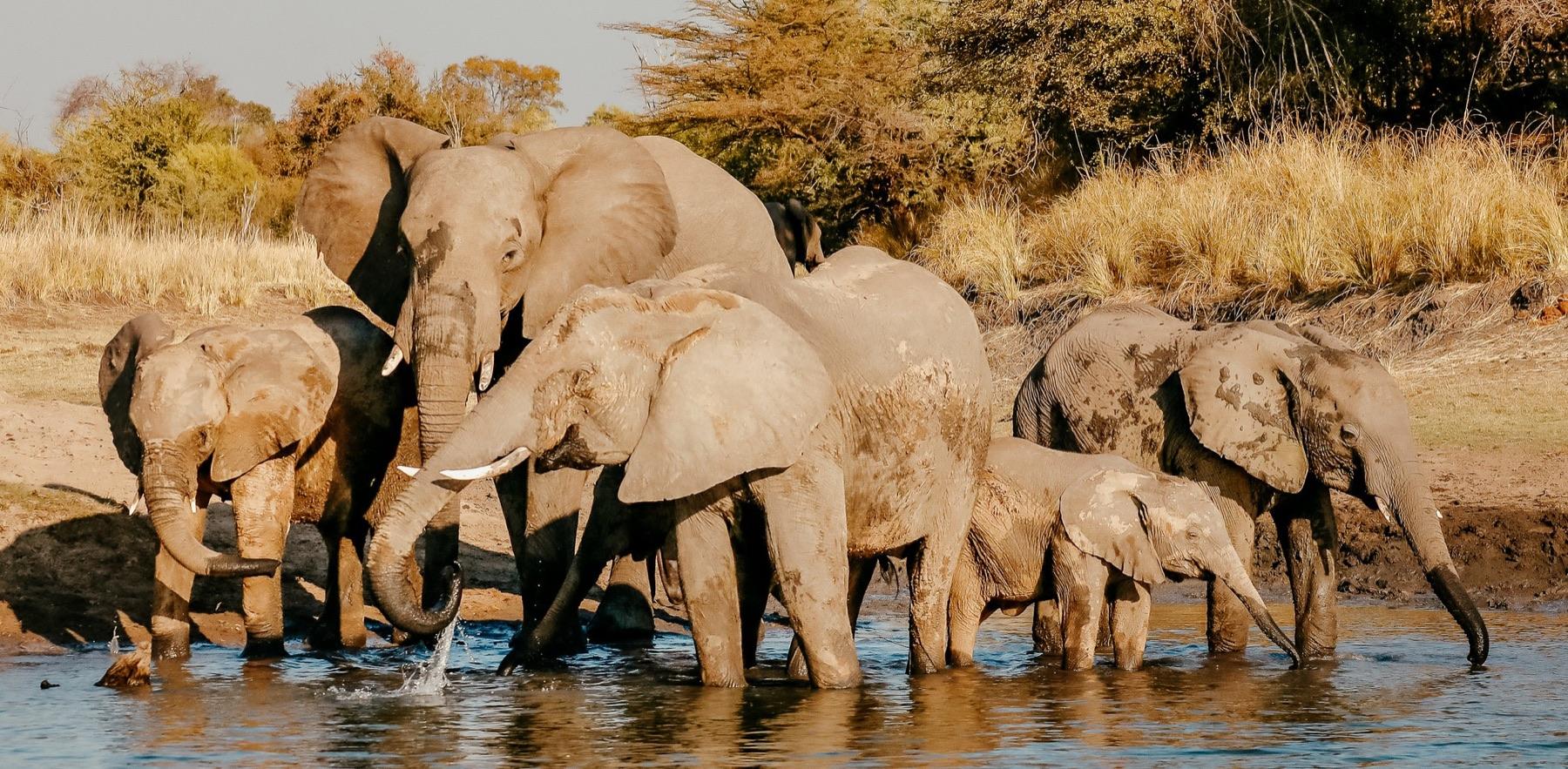
- Elephants wander through lodges, along roads and occasionally into the edge of town. Keep your distance, especially from mothers with calves, and never get out of a car for a photo.
- Crocodiles live in the Zambezi above and below the falls. Swim only where a guide or lodge says it is safe.
- Baboons and vervet monkeys will take food and open bags at viewpoints and picnic spots.
At riverside lodges, staff often walk guests to their rooms after dark for exactly this reason. At Zambezi Dusk, which sits on the river upstream of the falls, there is a 24/7 emergency contact, and it is worth asking any lodge how they handle guests moving around at night.
Health and water risks
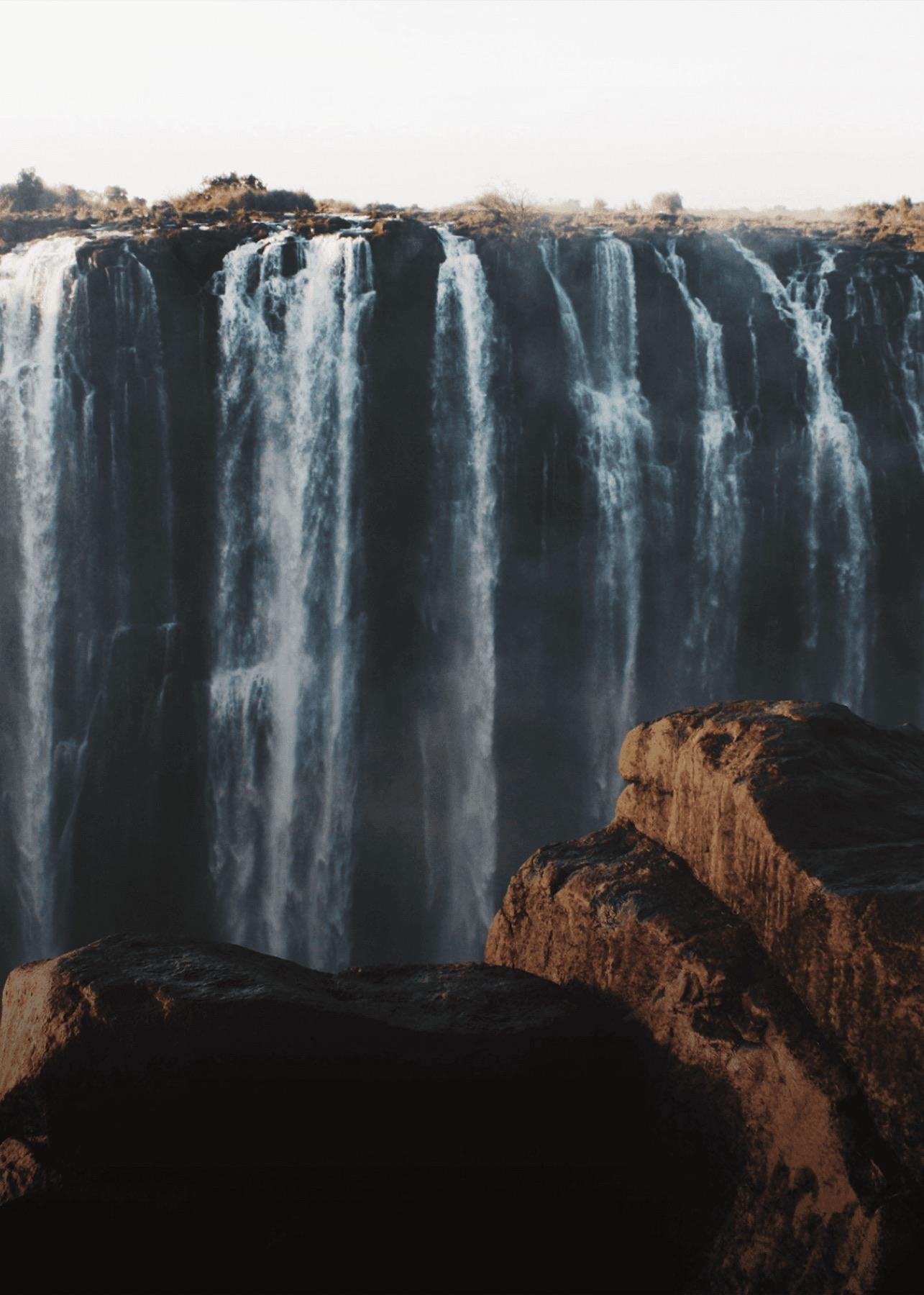
Malaria, heat and sun cause more trips to the doctor than crime does. Our page on health and malaria at Victoria Falls covers tablets, bites and medical care. The spray-soaked paths at the falls are slippery in high water, and the cliff edges are largely unfenced, so wear shoes with grip and keep children close.
Activities
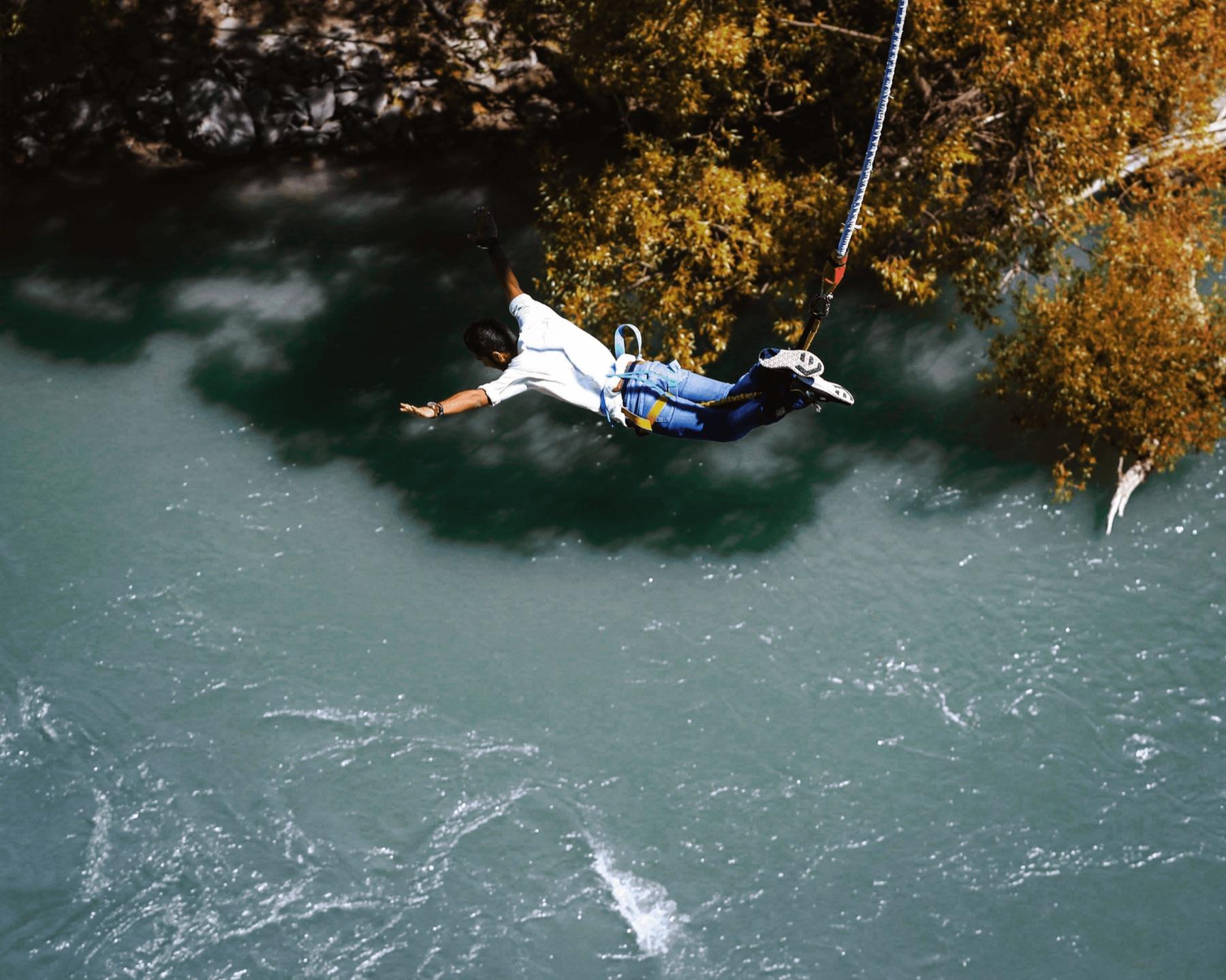
Bungee, rafting, Devil's Pool and microlights are run by licensed operators with long safety records, but these are still adventure activities. Before you book:
- Use an operator your lodge or a reputable agent recommends.
- Ask what the guide-to-guest ratio is and what the rescue arrangements are.
- Check that your travel insurance covers the specific activity. Many standard policies exclude bungee jumping and grade 5 rafting unless you add cover.
Politics and protests
Zambia has held peaceful transfers of power, and demonstrations in Livingstone are uncommon. General elections are held every five years. Around election time, avoid rallies and large gatherings, and follow local news and your government's advice.
Emergency numbers
Save these before you arrive:
- Police and ambulance: check the current numbers in your government's travel advice for Zambia before you go, and save them in your phone
- Medical help: private medical rescue services are usually faster in Livingstone than the public ambulance, and your lodge will know which one to call
- Your accommodation's emergency number
- Your insurer's emergency assistance line
Keep a note of your embassy or high commission in Lusaka too. If you lose your passport, you will need to go there.