The main health risk on a trip to Victoria Falls is malaria, which is present in Livingstone, Victoria Falls town and Chobe all year. Most other risks are the ones you would expect in southern Africa: sun, heat, food and water, and road travel. This page is general guidance only. See a travel clinic or your doctor six to eight weeks before you go, and check your government's travel health advice for Zambia and Zimbabwe.
Malaria
Malaria is spread by mosquitoes that bite between dusk and dawn. The Livingstone and Victoria Falls area is a malaria area throughout the year. Risk is highest during and just after the rains, from about November to April, and lower in the cool, dry months, but it is not zero at any time.
Antimalarial tablets
Most travel clinics recommend antimalarial tablets for this area. There are several prescription options, each with different schedules, side effects and costs, and some are unsuitable in pregnancy or with certain medical conditions. A clinician will help you choose. Start and finish the course exactly as prescribed, which for some tablets means continuing for weeks after you get home.
Avoiding bites
Tablets reduce the risk but do not remove it. Bite prevention matters just as much:
- Use an insect repellent with DEET (usually 30–50%), picaridin or another approved active ingredient on exposed skin from late afternoon.
- Wear long sleeves, long trousers and socks in the evening, in light colours.
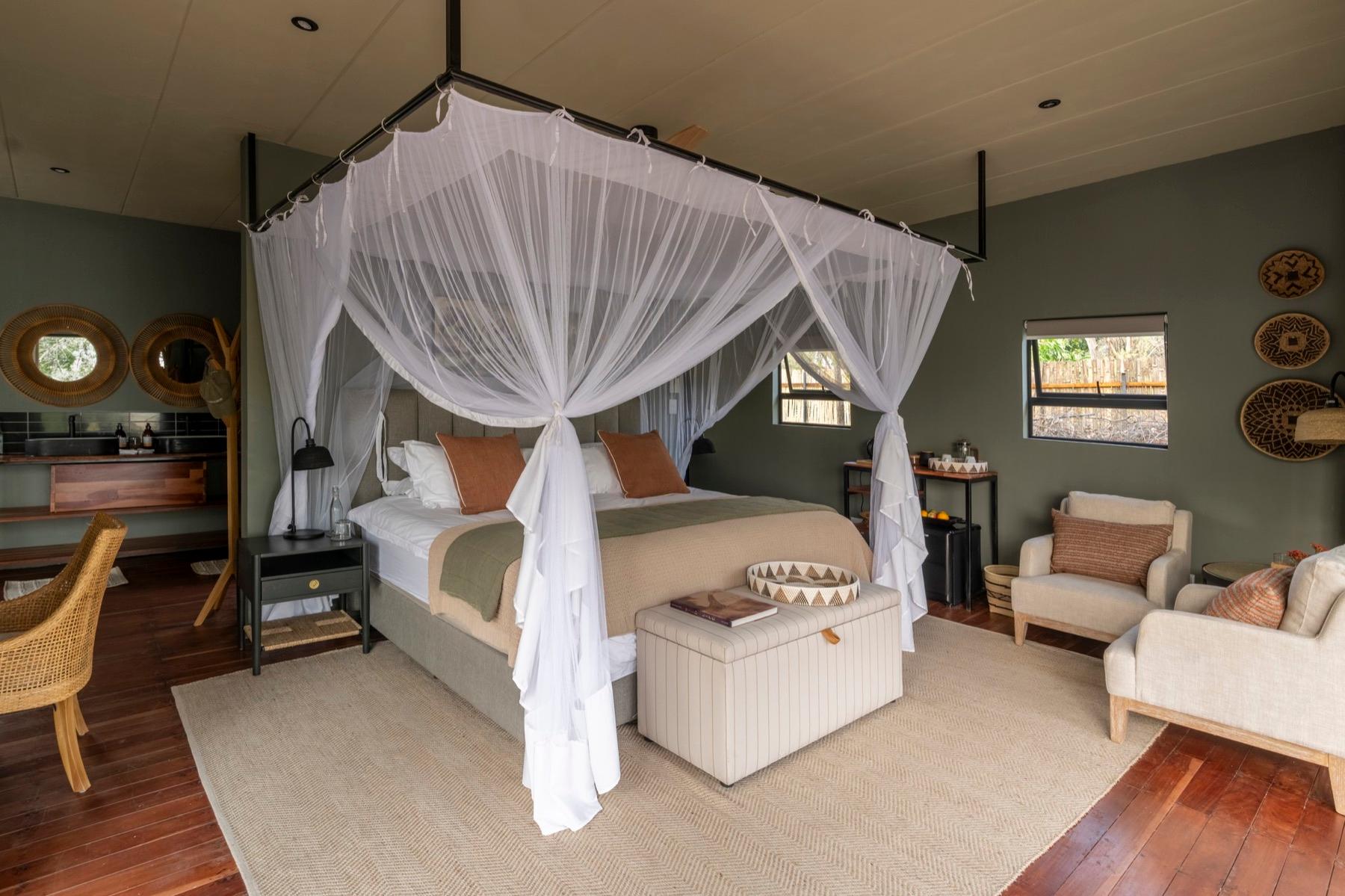
- Sleep under a mosquito net or in a screened room, and use plug-in repellents or coils where provided.
- Air-conditioned rooms help, as mosquitoes are less active in the cold.
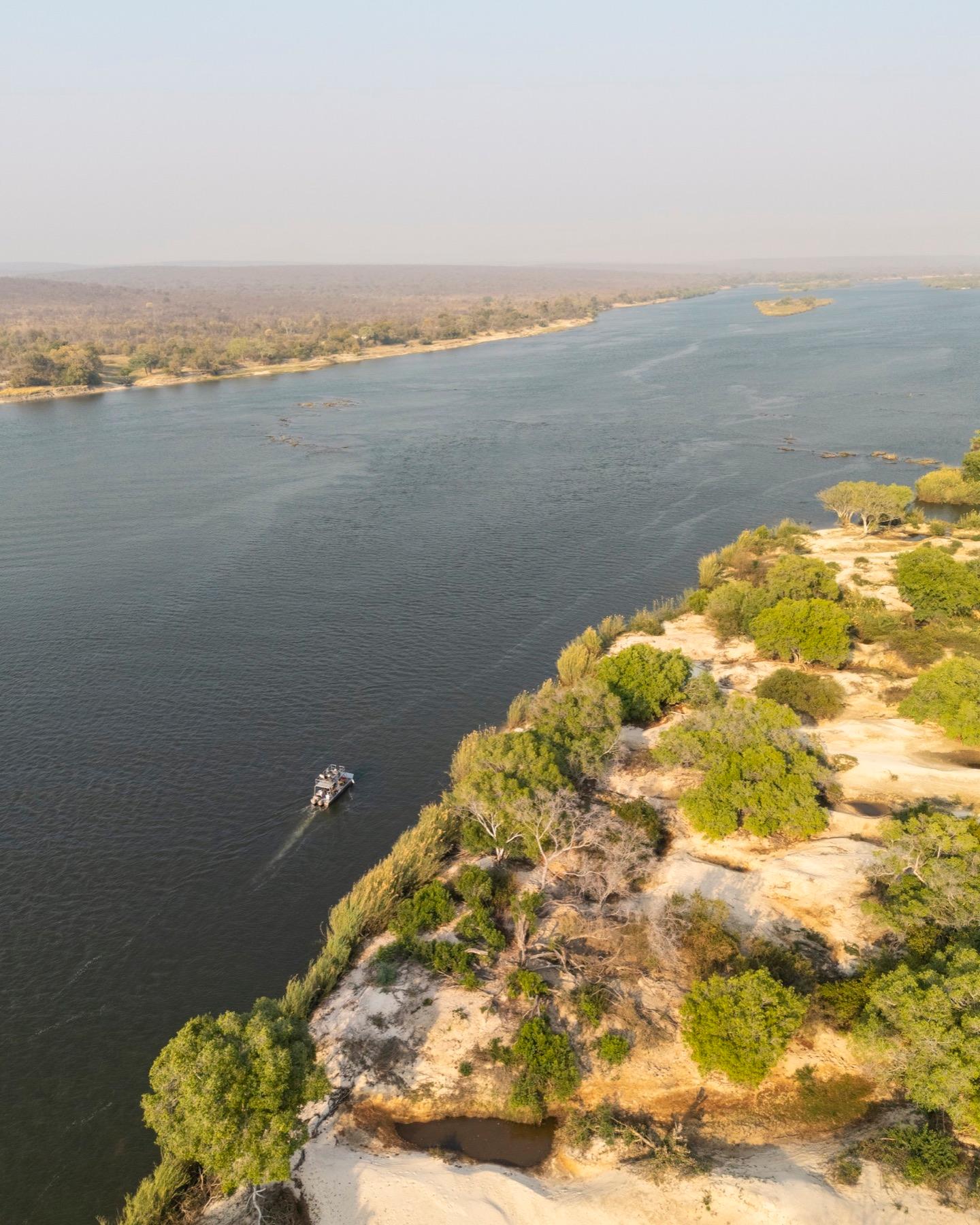
Riverside lodges are close to water, so bite prevention is not optional there. Most good lodges provide nets and repellent, but bring your own repellent anyway.
Symptoms
Malaria can start with a fever, chills, headache, muscle aches or a flu-like feeling, anywhere from about a week to several months after being bitten. If you develop a fever during your trip, or within a year after you get home, get medical help the same day and say that you have been in a malaria area. It is treatable when caught early and dangerous when it is not.
Yellow fever
Zambia's yellow fever certificate requirement depends on your route, not your nationality. A certificate is usually required only if you are arriving from, or have transited for more than about 12 hours through, a country with a risk of yellow fever transmission. Travellers flying directly from Europe, North America or South Africa normally do not need one.
There is a complication: some travellers continuing to South Africa after a trip to Zambia have reported being asked for a certificate on arrival there. Rules on this have changed over time. Ask your travel clinic about your full itinerary, and check South African requirements if your trip goes through Johannesburg on the way home.
Vaccinations
There are no compulsory vaccines for most visitors beyond yellow fever where it applies. Travel clinics commonly suggest being up to date with routine vaccines and considering:
- Hepatitis A
- Typhoid
- Tetanus, diphtheria and polio
- Rabies, especially for longer stays or work with animals
- Hepatitis B, in some cases
The right set depends on your history, your length of stay and what you will be doing. That is a conversation for the clinic, not a website.
Food and water
- Drink bottled or filtered water. Most lodges provide it.
- Be cautious with ice, salads and raw food in places you are unsure about.
- Wash or sanitise your hands before eating.
- Pack oral rehydration salts and a basic anti-diarrhoea remedy.
Sun and heat
Livingstone is in the tropics. The sun is strong all year, and from September to November daytime temperatures are regularly above 33°C. See Victoria Falls weather by month for the details.
- Wear a hat, sunglasses and high-factor sunscreen, and reapply after the spray at the falls.
- Drink plenty of water, more than you think you need on hot days.
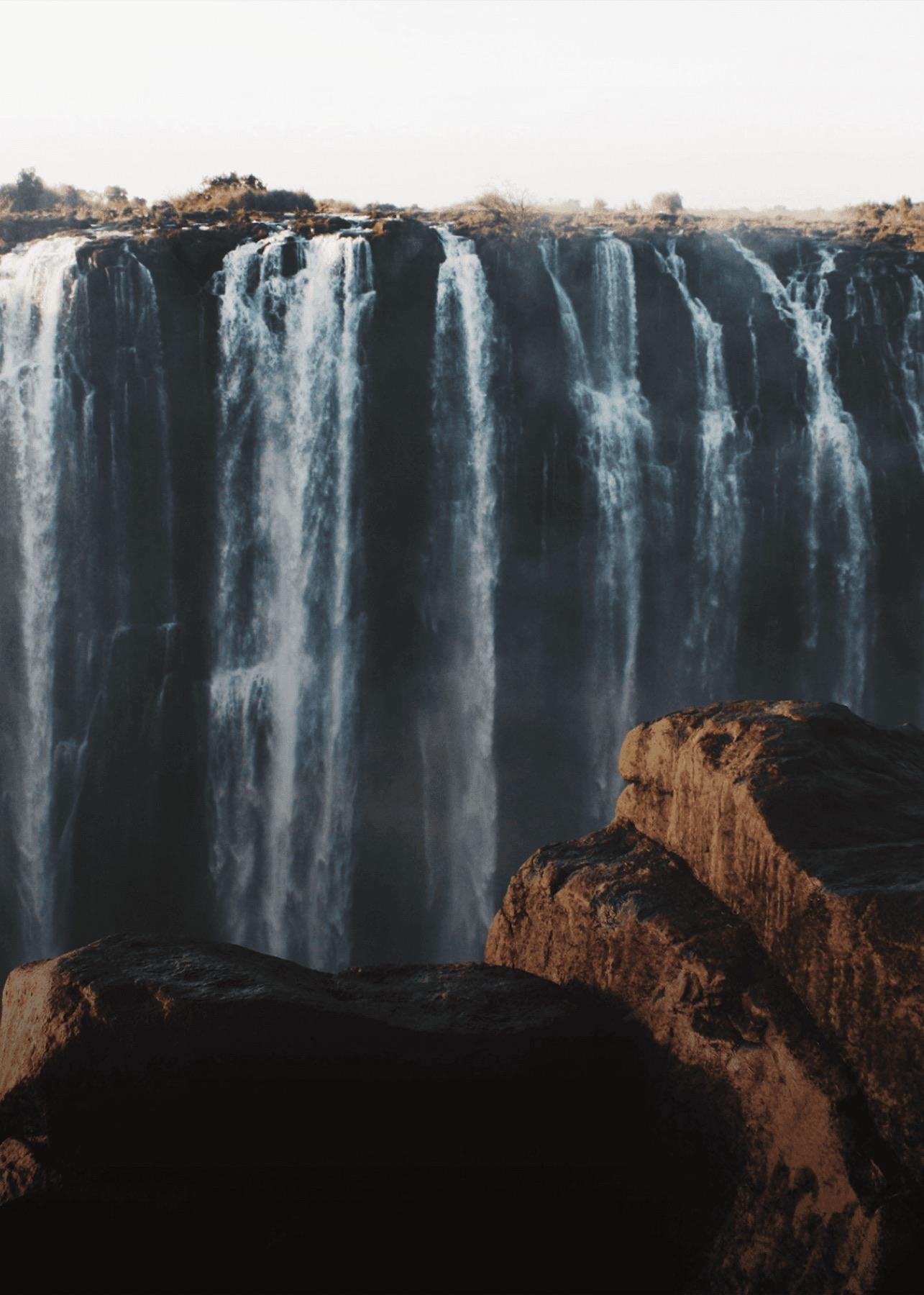
- Do walks and the falls in the early morning, and rest in the middle of the day.
Water, rivers and wildlife
- Swimming: don't swim in the Zambezi or other rivers and lakes unless a guide running an organised activity says it is safe. Crocodiles and hippos are present, and bilharzia (schistosomiasis), a parasite that lives in some fresh water, is a risk in the region.
- Hippos and elephants: both wander through riverfront lodges at night. Follow staff instructions and don't walk around in the dark unescorted.
- Baboons and monkeys: common near the falls and in some lodges. Don't feed them, and keep food out of sight.
Activities with physical risk
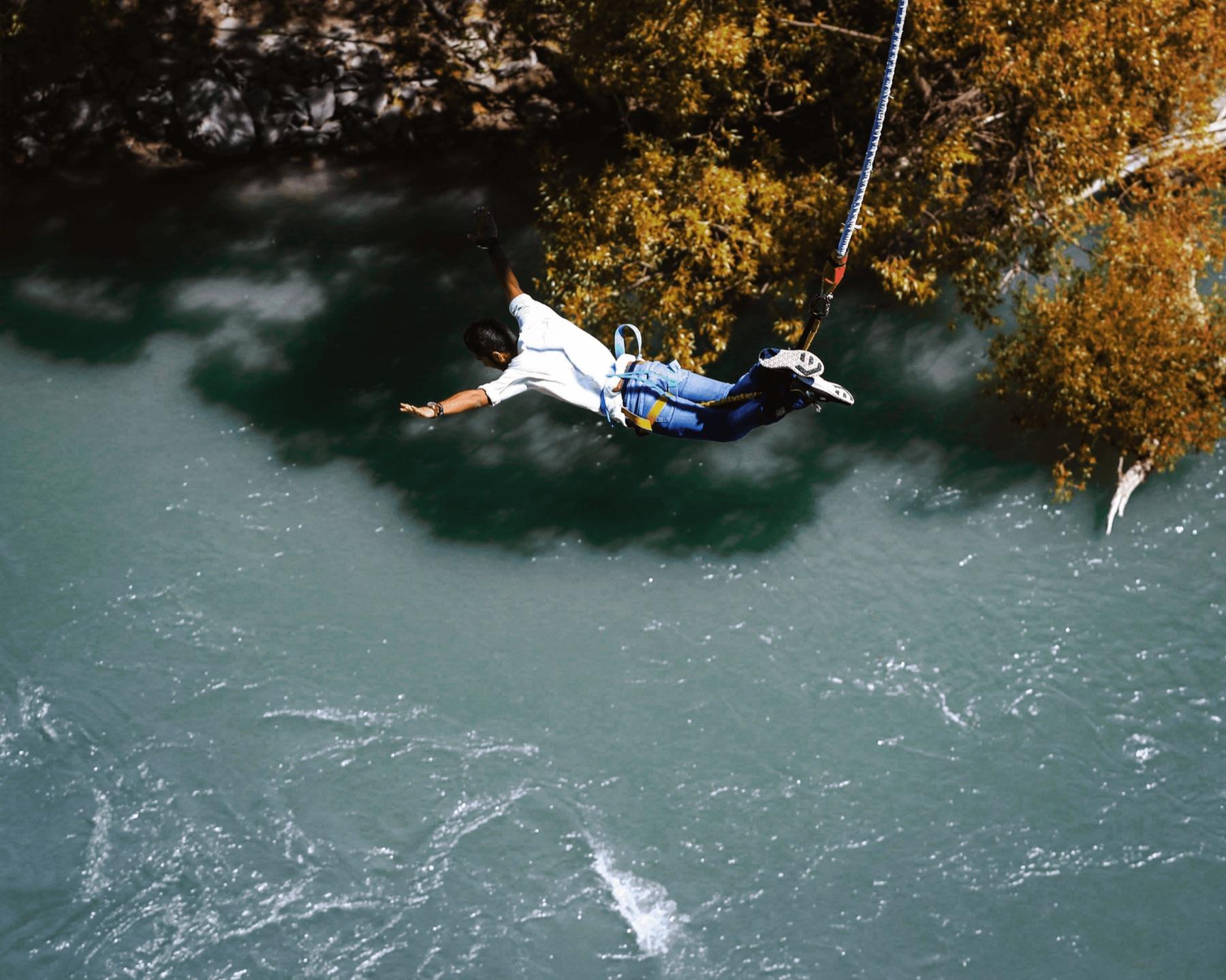
Rafting, bungee jumping, microlight flights and Devil's Pool are all run by licensed operators with safety procedures, but they involve real physical risk. Read the operator's health requirements, which often exclude pregnancy, some heart and back conditions, and recent surgery. Check that your travel insurance covers the activities you plan to do.
Medical care and insurance
Livingstone has a general hospital and private clinics that can deal with routine problems. For serious illness or injury, patients are often moved to Lusaka or to South Africa. Take out travel insurance that covers medical treatment and emergency evacuation, and keep the policy number and emergency phone line to hand. Bring enough of any regular medication for the whole trip plus a few days, in its original packaging, with a copy of your prescription.
Before you go
- Book a travel clinic appointment six to eight weeks ahead.
- Tell them your full route, including Zimbabwe, Botswana or South Africa.
- Arrange travel insurance with medical evacuation cover.
- Pack repellent, sunscreen, a small first-aid kit and your medication.
For the rest of your planning, see the best time to visit Victoria Falls and where to stay in Livingstone.