Three full days is the right length for a first visit to Livingstone. You can see the Zambian side of the falls, cross to Zimbabwe for the front-on view, take one big activity (Devil's Pool, a flight or rafting depending on the season), and still have time on the river. This plan assumes you arrive the evening before day one and leave on the morning after day three.
It is built around two rules: see the falls early, before the heat and the tour buses, and keep the middle of the day light.
Before you go
- Check the water level. Devil's Pool, Livingstone Island and rafting depend on it. See the best time to visit Victoria Falls.
- Sort your visas. If you plan to cross to Zimbabwe, read the KAZA UniVisa guide.
- Book the fixed-time activities. Livingstone Island trips run at set times each day and fill up in the busy season.
- Bring cash in US dollars and kwacha. See money and payments in Zambia.
Day 1: The Zambian side and the river
Early morning: the falls. Be at the gate of Mosi-oa-Tunya National Park when it opens. Walk the main path to the Knife-Edge Bridge and the viewpoints facing the Eastern Cataract, then take the steep trail down to the Boiling Pot if your knees allow. Allow two to three hours. From about February to July bring a poncho, and expect to be soaked on the bridge.
Late morning: the bridge. Walk from the park entrance to the Victoria Falls Bridge, about a kilometre. You can go onto the bridge without entering Zimbabwe if you get a gate pass at the Zambian border post. This is where the bungee jump and bridge swing operate, if anyone in your group is so inclined.
Afternoon: rest. Back to your lodge, lunch, a swim, a sleep. The heat from September to November makes this non-negotiable.
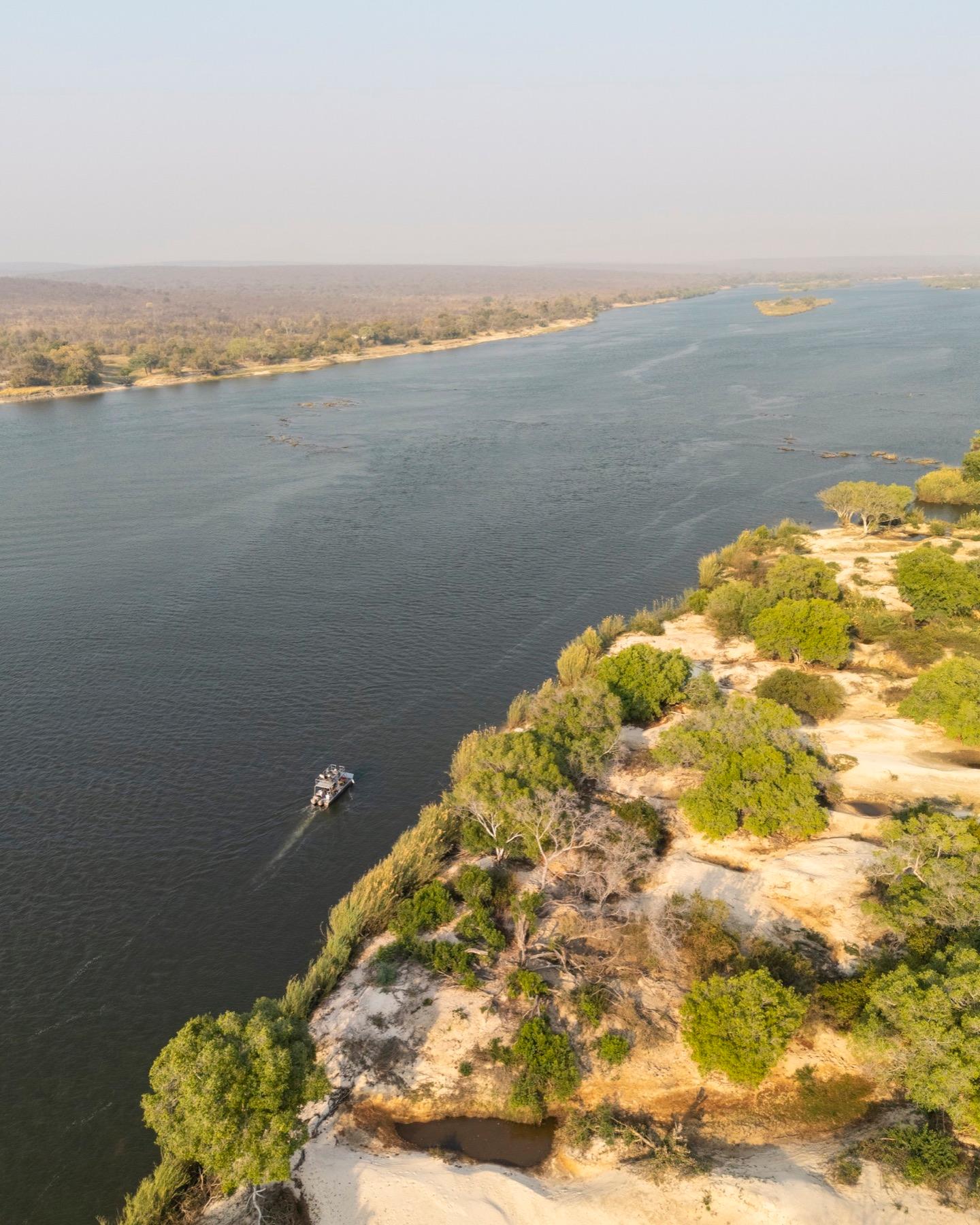
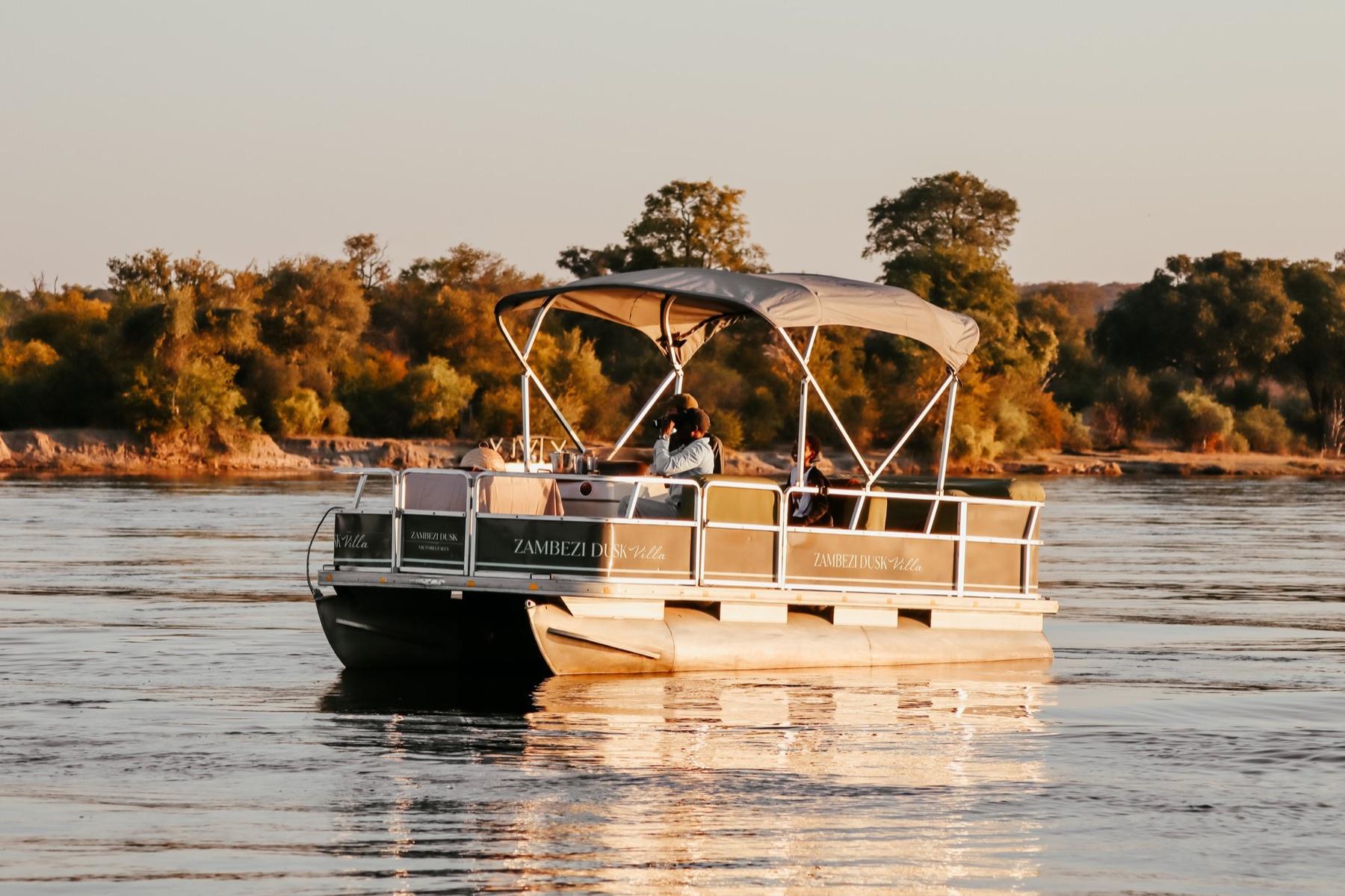
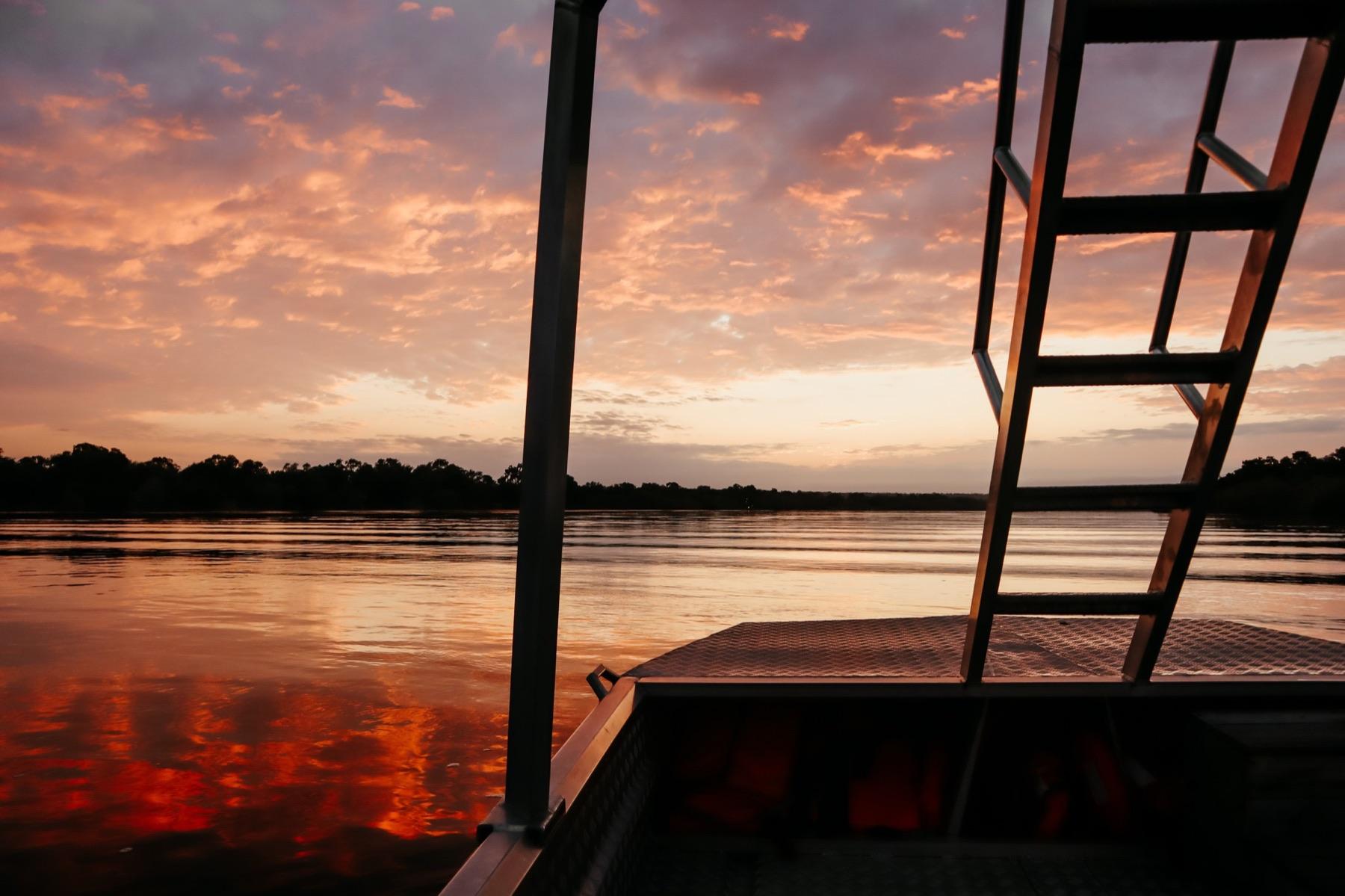
Evening: sunset on the Zambezi. Take a sunset cruise on the upper river. Expect hippos, crocodiles, a lot of birds and, in the dry season, elephants on the islands. Cruises usually leave between 16:00 and 17:00 and last about two to three hours.
Day 2: The edge of the falls, or the view from above
This is the day for your main activity. Choose by season.
Mid-August to about December or January: Livingstone Island and Devil's Pool
Boats leave from the riverside to Livingstone Island, on the lip of the falls, several times a day. When the river is low enough, guides take small groups to swim in Devil's Pool on the edge of the drop. Earlier trips are cooler and quieter. Bring swimwear, a towel and shoes you can wade in.
February to July: a flight over the falls
When the water is high and the spray hides much of the view from the ground, the best way to see the falls is from above. A helicopter flight of about 12 to 15 minutes covers the falls and the gorges below. A microlight flight puts you in an open seat behind the pilot, with no glass between you and the view. Flights go in the morning and late afternoon and are weather-dependent, so this is the one activity worth booking for day one or two with room to move it.
Afternoon: town
Spend a couple of hours at the Livingstone Museum, which holds a large collection of David Livingstone's letters and belongings alongside its archaeology, history and natural history galleries. Then walk through the markets and craft stalls. Prices are negotiable, and small kwacha notes make things easier.
Evening: dinner in town or at your lodge.
Day 3: Zimbabwe
Morning: cross the bridge. Take a taxi to the Zambian border post, clear immigration, walk or take a taxi across the Victoria Falls Bridge, and enter Zimbabwe. From the Zimbabwean border post it is a short walk or drive to the entrance of Victoria Falls National Park.
The path on the Zimbabwean side runs along the opposite rim of the gorge with about 16 viewpoints, from Devil's Cataract to Danger Point. You see the Main Falls head-on, which you cannot do from Zambia. Allow two hours. At low water, from about October to December, this side carries much more water than the Zambian side.
Lunch: Victoria Falls town has several restaurants within walking distance of the park.
Afternoon: cross back to Zambia. If you have energy left, take a slow afternoon at the lodge, or a second boat trip if your lodge runs its own.
Our guide to the Zambian and Zimbabwean sides compares the two in more detail.
Swaps and additions
- White-water rafting: a full day in the Batoka Gorge. Swap it for day two in the low-water months (usually August to December), when the full run operates.
- Walking with rhinos: guided walks to see white rhinos in Mosi-oa-Tunya National Park, usually in the early morning. Fits before the museum on day two.
- Lunar rainbow: if your stay falls around a full moon in the high-water months, the park opens in the evening to view the rainbow formed by moonlight.
- A fourth day: use it for a Chobe day trip into Botswana, or follow our 5-day Victoria Falls and Chobe plan instead.
Where to base yourself
For this plan, a lodge on the upper Zambezi works well: the river is part of every evening, and the drive to the falls is short enough for early starts. Zambezi Dusk, a small lodge upstream of the falls on the Kazungula Road, about 30 minutes from the falls by road, includes two guided boat safaris a day from the lodge and two daily activities from its list of guided experiences, so the sunset cruise and some of the activities above may already be covered there. Options in town and near the falls are compared in where to stay in Livingstone.
Timing notes
- Park gates on both sides open at about 06:00. Confirm on arrival.
- Allow up to an hour for the border formalities in each direction when tour groups are crossing.
- In June and July, mornings are cold. Take a warm layer on early boat trips and flights.