Four days at Victoria Falls is the length at which the trip stops being a checklist. You can see the falls from both sides, give one day to a big activity (rafting at low water, flights and the gorge at high water), and keep a full day for the upper Zambezi, which is what most short visits miss. This plan assumes four full days based in Livingstone, with arrival the evening before.
The two- and three-day plans cover the falls themselves. For the first two days here, follow the three-day Livingstone itinerary, which already sets out the Zambian side, the bridge and the Zimbabwe crossing in detail. What follows is how days three and four change the shape of the trip, and how to reorder everything by season.
Pick your version
The river level decides what you can do. It peaks around March to May and drops to its lowest from October to December. See high water vs low water for the month-by-month change.
| High water (about February to July) | Low water (about August to January) | |
|---|---|---|
| Best view of the falls | From the air, or Zimbabwe side | Zimbabwe side; Zambia side thins out from October |
| Big activity | Helicopter or microlight flight | Rafting, Devil's Pool |
| River | Fast, high, islands submerged | Slow, islands exposed, more game on the banks |
High-water version (February to July)
Day 1: Zambian side and bridge. Park at opening, Knife-Edge Bridge, bridge walk. Afternoon rest. Sunset cruise.
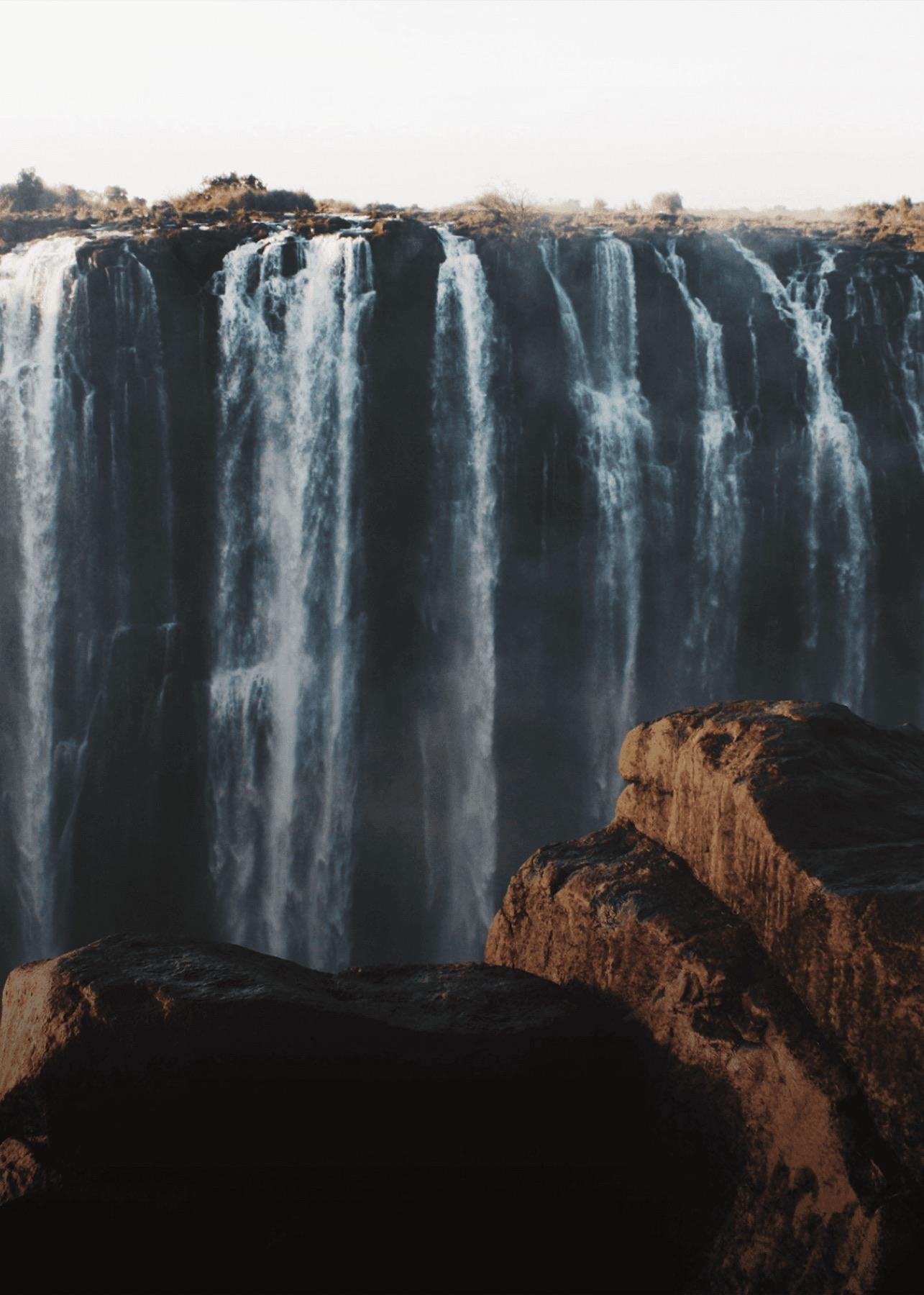
Day 2: Zimbabwe side. Cross early. The spray is heavy, so the Zimbabwe path is better for seeing the shape of the falls. Back by lunch.
Day 3: the falls from above, the gorge from below. Morning flight: a helicopter loop is usually 12 to 15 minutes, a microlight about 15. Book the earliest slot you can, because flights are cancelled in cloud and you want days to reschedule. In the afternoon, walk the gorge rim or take the steep path down to the Boiling Pot if the water allows. In the wettest weeks it is sometimes closed.
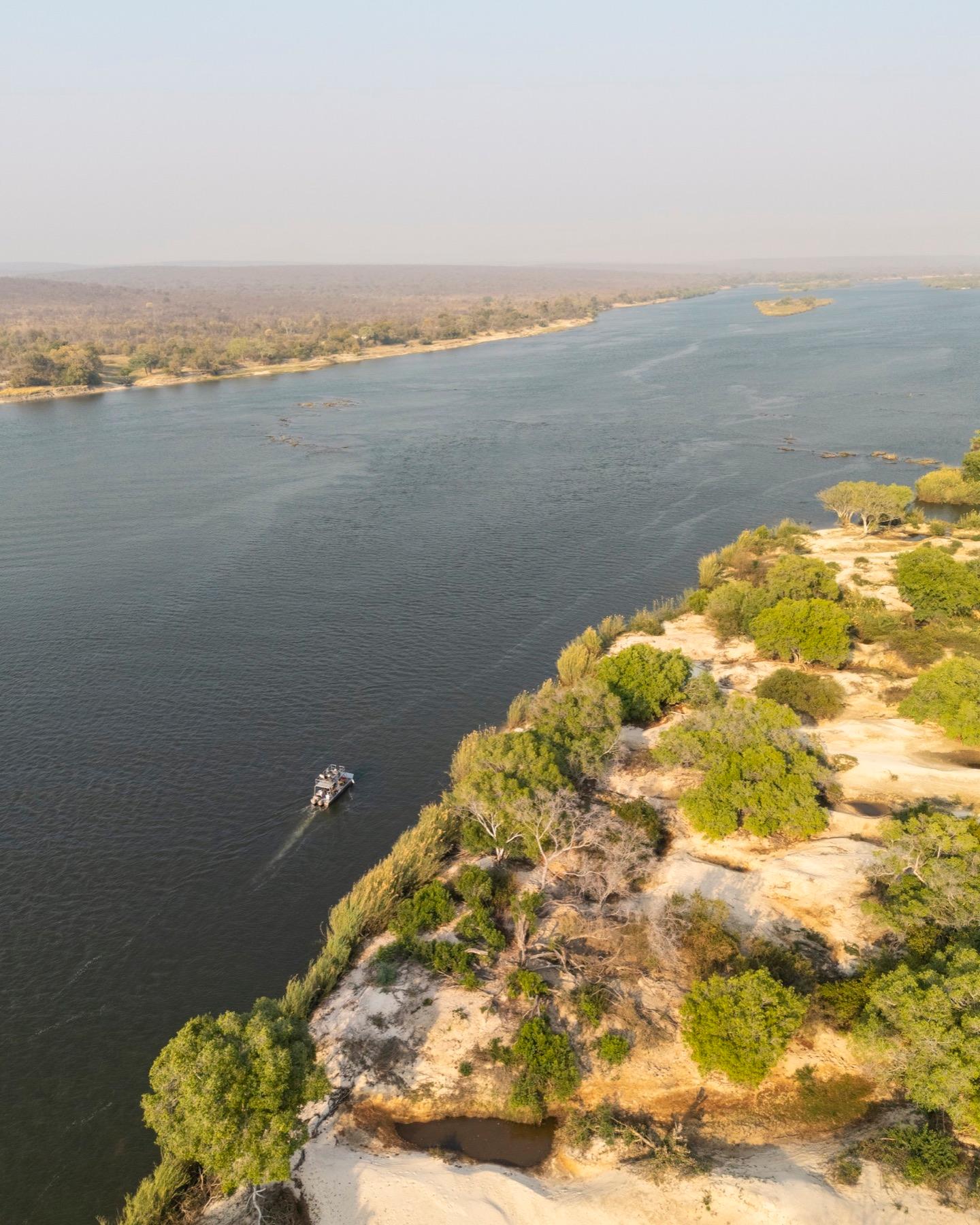
Day 4: the upper river. This is the day most visitors skip. Go upstream, away from the spray. Options, all arranged through your lodge or an operator in town:
- A morning canoe trip on a calm stretch of the upper Zambezi, with a guide reading the channels for hippos.
- A walk to see white rhinos in Mosi-oa-Tunya National Park, usually early morning, about two hours on foot with armed scouts.
- Tiger fishing, which is better later in the year but still possible.
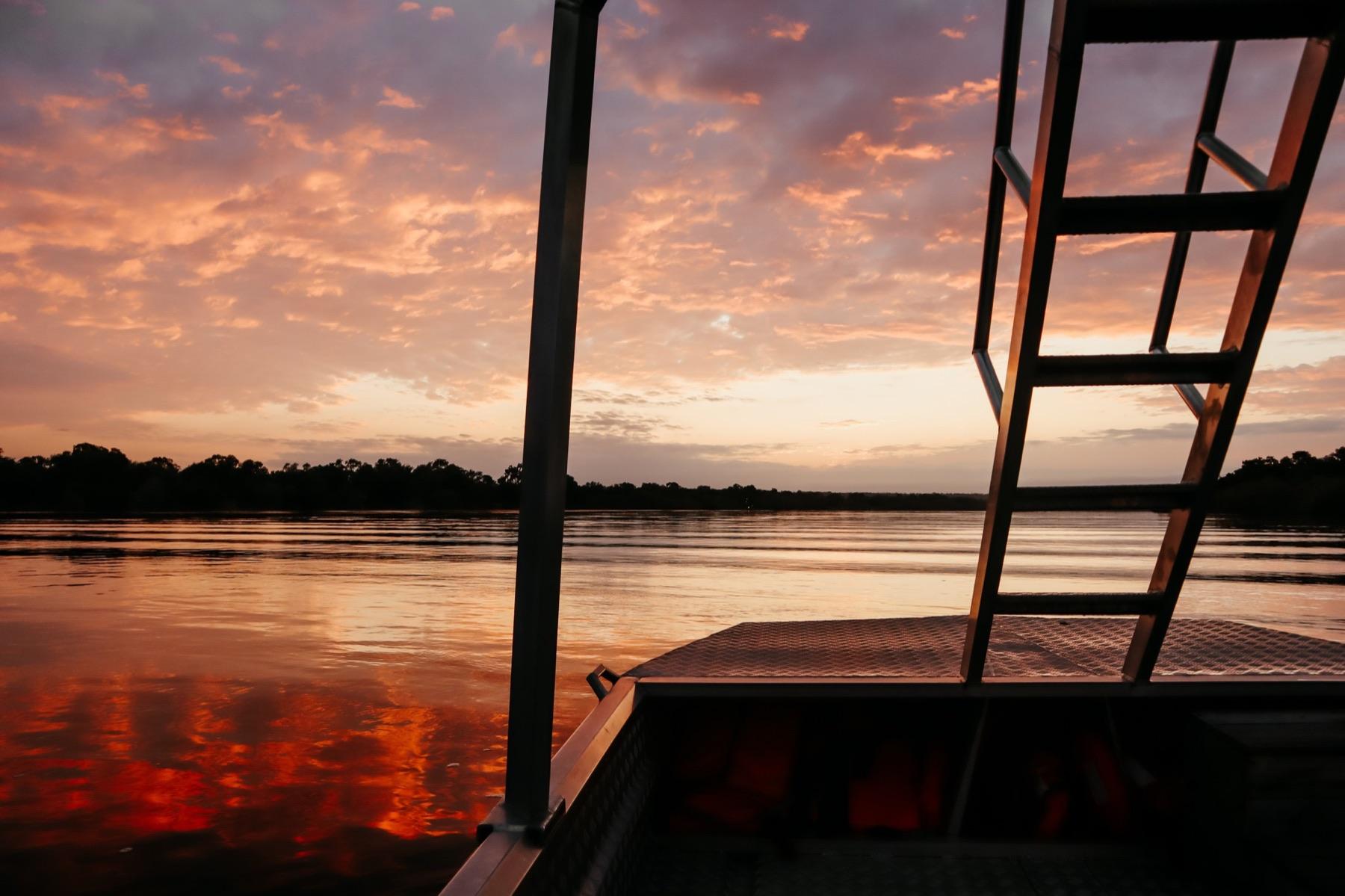
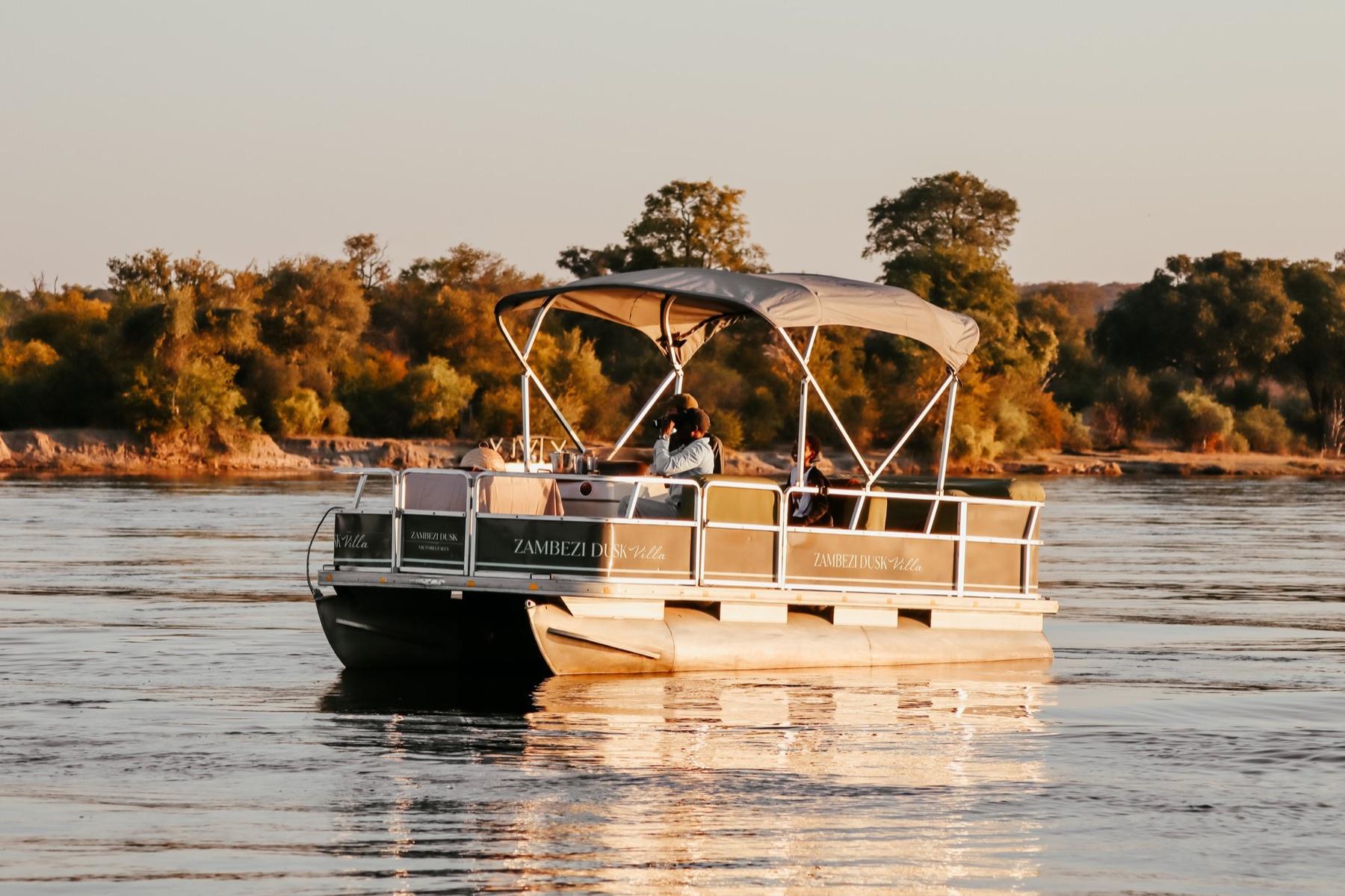
End with a second boat trip at dusk. On the upper river the second evening is usually better than the first: you know what to look for.
Low-water version (August to January)
Day 1: Zambian side and Livingstone Island. Park at opening. From about mid-August, take a mid-morning trip to Livingstone Island, and swim in Devil's Pool when it is open. Sunset cruise.
Day 2: Zimbabwe side. From October, Zimbabwe carries most of the water you will see. Allow a full morning.
Day 3: rafting. The full-day trip through the Batoka Gorge starts around 07:30 and gets you back mid-afternoon. The climb out of the gorge at the end is steep and long: in October and November it is the hardest part of the day. You need to be a confident swimmer. Do not plan anything for the evening except dinner.
Day 4: the upper river. Rhino walk at dawn, a slow lunch, and a boat or canoe trip in the afternoon. At low water the islands are exposed and the elephants come down to feed on them, so expect more game than on day one.
Drive times to plan around
- Livingstone town to the falls: about 10 km, 15 minutes.
- Upstream lodges on the Kazungula Road to the falls: roughly 25 to 40 minutes, depending on how far out.
- Livingstone airport to town: about 5 km, 10 minutes.
- Falls to Kazungula (for Chobe): about 70 km, an hour.
Swaps
- Chobe day trip instead of day four if elephants matter more than the river. If they matter a lot, switch to the five-day Victoria Falls and Chobe itinerary.
- Lunar rainbow if a full moon falls in your stay between about March and July. The park opens for evening viewing on the nights around it.
- Bungee, gorge swing or zipline fit in a morning on day two, after the Zimbabwe side, from the bridge or the gorge rim.
Where to sleep
Four nights in one base. Moving mid-trip wastes half a day. With four days, a lodge on the upper river makes more sense than for a short stay: day four happens on its doorstep, and you can see the river at dawn without arranging a transfer. Look for places that include boat trips and some guided activities, and check the type of room suits your group, since tents, chalets and villas differ a lot in privacy and space.
Book ahead
- Rafting and Livingstone Island in August to October.
- Flights in April and May, the peak spray months.
- Rhino walks, which run in small groups.