Victoria Falls is partly accessible. You can see the falls from both sides in a wheelchair or with limited mobility, but neither side has a fully step-free route, paths get slippery in high water, and you will need a helper for some slopes. The Zimbabwean side is usually the easier of the two. The best view that needs no walking at all is from the air.
There is little official access information for either park, so this page draws on traveller and operator accounts. Conditions change after each rainy season. Ask your lodge or a local operator to check the current state of the paths before you go.
Zimbabwean side
The rainforest path in Victoria Falls National Park runs roughly 1.5 to 2 km along the edge of the gorge opposite the main falls, with about 16 numbered viewpoints. Most of it is compacted gravel or paving under trees. Visitors who use wheelchairs report that a good part of it is manageable with a helper, with a few short inclines that need some strength and stretches of uneven ground.
- Best for wheelchairs: the viewpoints nearer the entrance, facing the Devil's Cataract and the Main Falls.
- Harder: side paths down to some viewpoints have steps. The far end, towards Danger Point, is rocky and unfenced.
- Facilities: a café and toilets near the entrance. Accessible toilets are limited.
- Benches: there are rest stops along the main path.
Zambian side
The falls section of Mosi-oa-Tunya is more compact but rougher. From the car park, paths run to viewpoints over the Eastern Cataract and to Knife-Edge Bridge.
- Manageable with help: the path from the entrance area to the first viewpoints above the Eastern Cataract, and in dry conditions the approach to Knife-Edge Bridge. Surfaces mix concrete, paving, stone and gravel, with some slopes and steps.
- Not accessible: the Boiling Pot trail, which is a long, steep path down into the gorge. Also the lower viewpoints reached by stone stairs.
- Wet season warning: from about March to June, Knife-Edge Bridge and the paths around it are under heavy spray. Wheels and walking sticks both slip. In October and November the Zambian side is dry but the Eastern Cataract can be almost empty of water.
Our page on Mosi-oa-Tunya National Park describes the trails in more detail.
Seeing the falls without the paths
Helicopter flights. Short flights of about 12 to 15 minutes show the whole length of the falls and the gorges below. Passengers step up into the aircraft, and ground crew are used to helping. Tell the operator in advance about mobility needs; weight and seating arrangements matter. See our helicopter flight guide.
The bridge. The Victoria Falls Bridge is level and paved, with a view down the gorge to the falls. Getting there means passing through Zambian exit formalities; ask for a bridge pass. The road from the border post to the bridge is about 1 km and sloping, and taxis can drop you close to it.
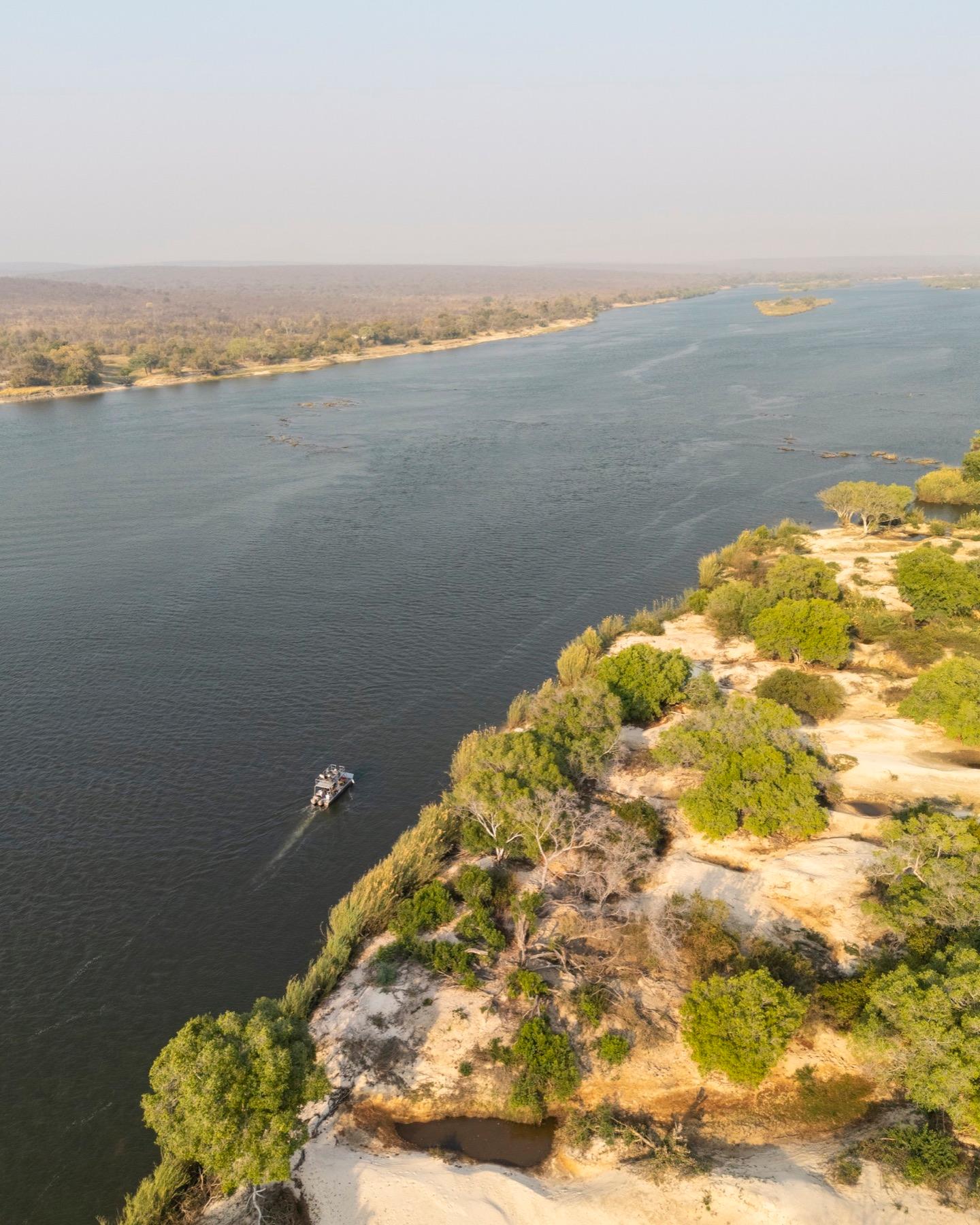
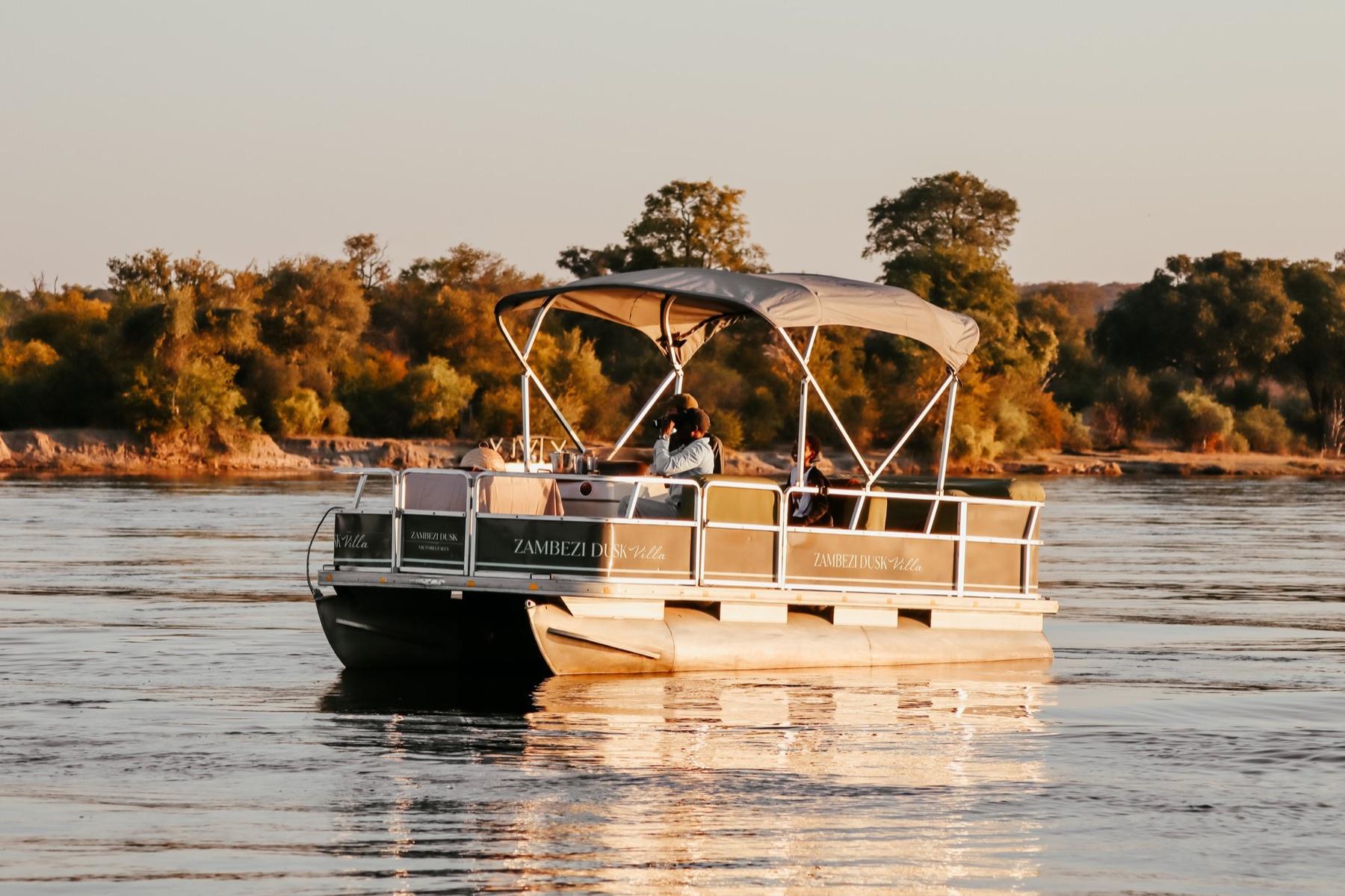
Boat trips on the upper Zambezi. Above the falls the river is wide and calm. Boarding depends on the jetty and boat, so ask the operator whether there is a ramp or level access, and whether staff can help with transfers. Some lodges run boats from their own jetty, which avoids a road transfer. At Zambezi Dusk, for example, the guided boat safaris leave from the lodge itself; check the jetty layout with them if you need step-free boarding.
Getting around
Livingstone has no adapted taxis or accessible public transport. Most visitors use a lodge transfer or a private driver with a car or minibus. Folding wheelchairs fit in most vehicles. Electric wheelchairs and heavy scooters are harder: check vehicle size and charging arrangements in advance, and confirm the battery rules with your airline.
At Harry Mwaanga Nkumbula International Airport in Livingstone, boarding may be by stairs from the apron rather than an airbridge, depending on the aircraft and stand. Request assistance through your airline at least 48 hours before you fly. Our Livingstone airport guide covers the terminal.
Border crossings to Zimbabwe involve queues, uneven ground and short walks between buildings. Allow extra time, and consider a private transfer that drives you between the two posts.
Where to stay
Accessible rooms are not standard in Livingstone. Many riverfront lodges are built on raised decks with steps, or spread out along sandy paths. Before you book, ask specific questions and ask for photos:
- Is there a step-free route from the car park to the room, the dining area and the pool?
- How wide are the doors? What is the bathroom like: walk-in shower, grab rails, a shower seat?
- Are paths paved, decked or sand?
- Can meals be served in the room if the main area is hard to reach?
For a lodge's own layout, the most reliable answer comes from the people who run it; you can put these questions to Zambezi Dusk or any other lodge before you commit.
Planning tips
- Pick the season with care. June to August gives dry paths, a strong flow of water and comfortable temperatures. Heat from September to November is hard on anyone with limited mobility; daytime highs reach the mid-30s °C.
- Go early. Paths are emptier and cooler at opening, around 06:00.
- Take a helper. Even the easier paths have short inclines. Guides from local operators will push a wheelchair and know where the step-free routes run.
- Bring your own kit. Spare inner tubes, a puncture repair kit and a rain cover for a wheelchair. Medical supplies can be hard to find in Livingstone.
- Check insurance. Make sure your policy covers your condition, your equipment and medical evacuation.