Victoria Falls is the bigger waterfall: about 1,708 m wide and up to about 108 m high, against about 670 m wide and roughly 57 m high for Niagara's Horseshoe Falls. Niagara usually carries more water, but a large share of the Niagara River is diverted to power stations before it reaches the edge, under a treaty between Canada and the United States. Beyond the numbers, the two could hardly be more different to visit: one is the centrepiece of a busy resort area two hours from Toronto, the other sits in a national park on a border in southern Africa.
The figures
| Victoria Falls | Niagara Falls | |
|---|---|---|
| River | Zambezi | Niagara |
| Countries | Zambia / Zimbabwe | Canada / United States |
| Width | About 1,708 m | Horseshoe about 670 m; American Falls about 290 m |
| Height | Up to about 108 m | Horseshoe about 57 m; American Falls about 21–30 m to the rocks |
| Average flow over the falls | About 1,100 m³/s; several thousand at peak | Set by treaty: at least 2,832 m³/s by day in the tourist season, 1,416 m³/s otherwise |
| Seasonal pattern | Huge swing: peak March to May, very low October to December | Small swing, managed for hydropower |
| UNESCO World Heritage | Yes, since 1989 | No |
Figures are commonly cited averages and rounded. Victoria Falls has no flow controls; what you see depends on the rains upstream, and in a dry year the Zambian side can almost stop by November.
Shape and viewpoint
At Niagara you look across or down at the falls from riverside parks, towers and boats. The setting is open, and the falls are wider than they are high.
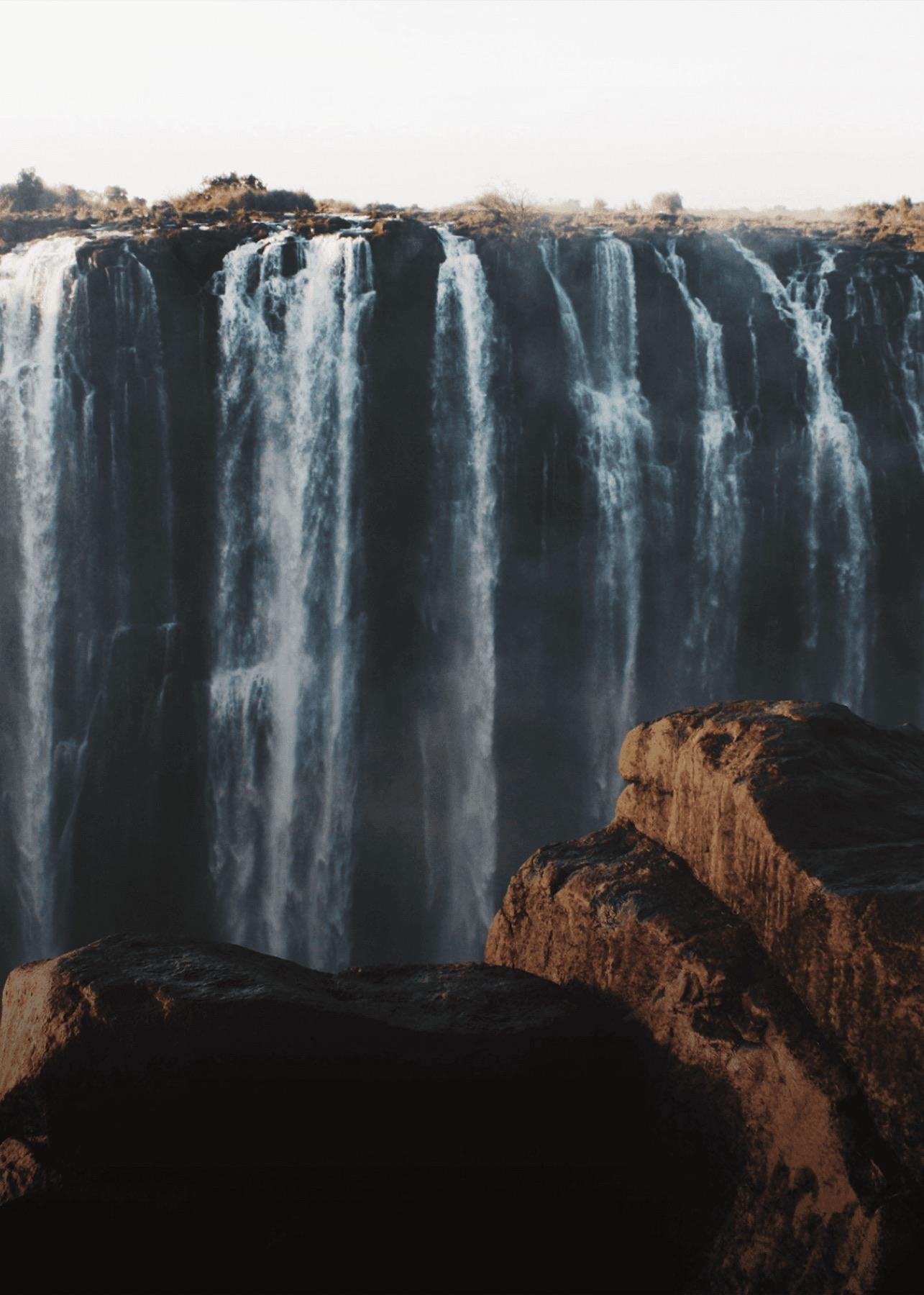
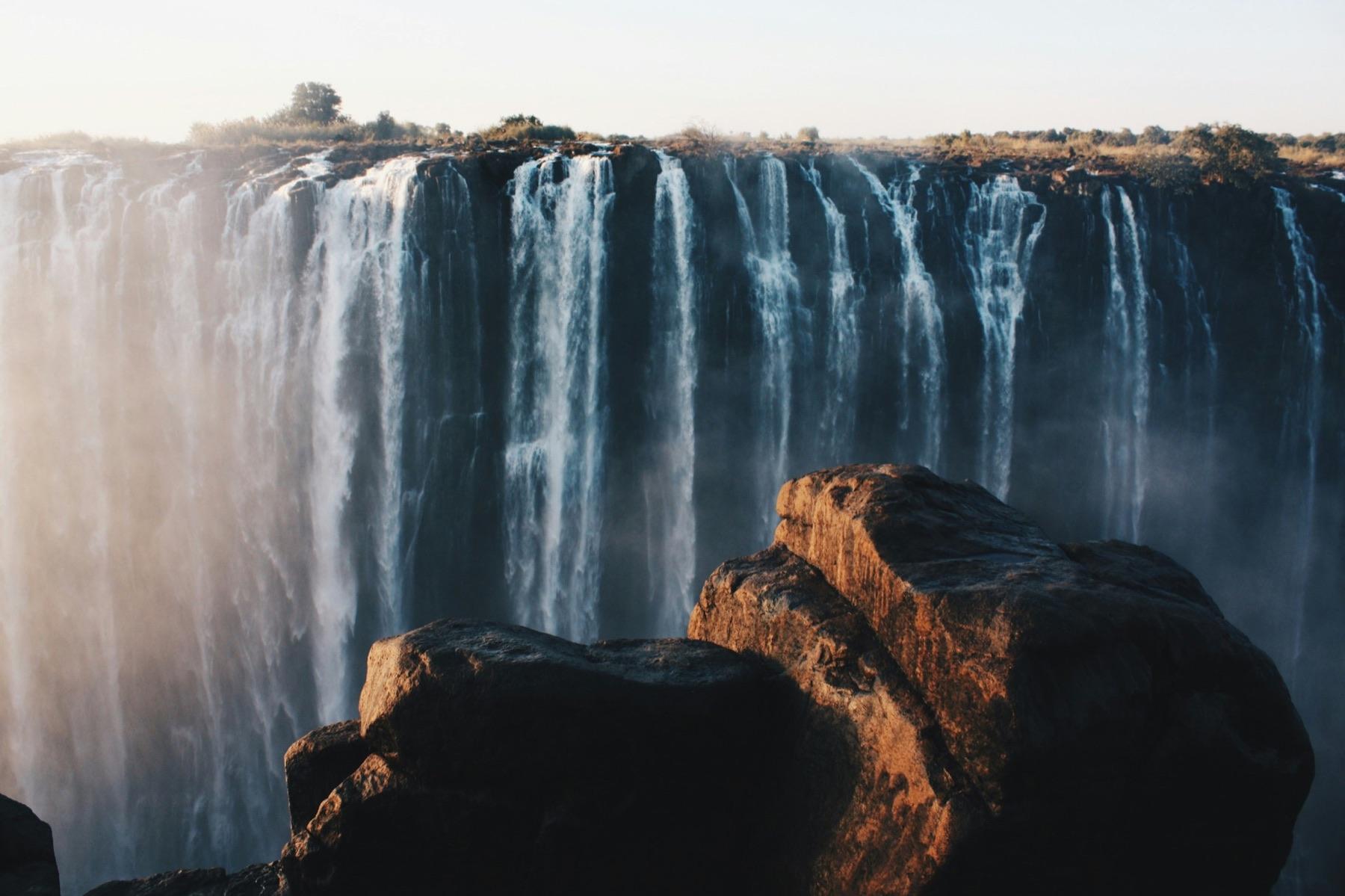
At Victoria Falls the river drops into a gorge 60 to 120 m wide, and you stand on the opposite rim, facing the falls at close range. In the high-water months the spray rises several hundred metres and soaks the paths, and from some viewpoints you see almost nothing but white. Most visitors say the noise and the spray are what they remember.
How close you get
- Niagara: the boat trips from both banks take you into the spray at the base of the Horseshoe Falls. Walkways and tunnels on both sides put you beside or behind the water.
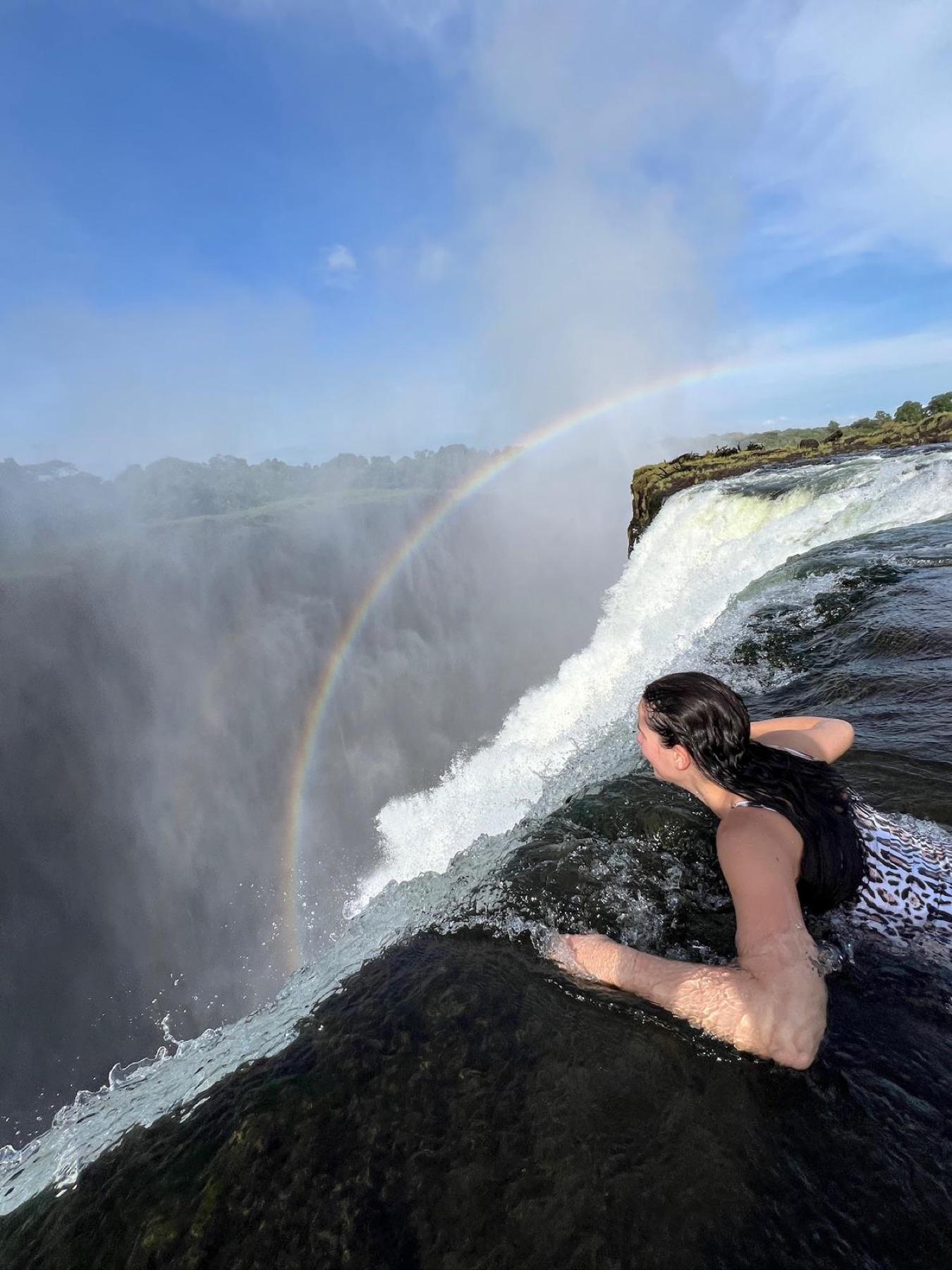
- Victoria Falls: from about mid-August to January, when the river is low, guides take small groups across from Livingstone Island to swim in Devil's Pool, a rock pool on the very lip of the drop. At low water you can also walk out along parts of the lip on the Zambian side. Nothing at Niagara compares, because nobody is allowed near the edge.
Seasons
Niagara is visited all year. Boat trips and many attractions run roughly from spring to autumn. Winter brings ice formations on the banks and around the falls, but the falls do not freeze solid.
Victoria Falls changes completely through the year. From about February to July the water is high, the spray is heavy and the best views are often from the air. From about August to December the water drops, the rock face shows, and the Zambian side thins out. Devil's Pool and rafting depend on low water. Choose your months on purpose; see the best time to visit Victoria Falls.
Setting
Niagara Falls is surrounded by two cities, hotels, casinos, observation towers and a long strip of attractions, especially on the Canadian side. The falls are lit in colour at night.
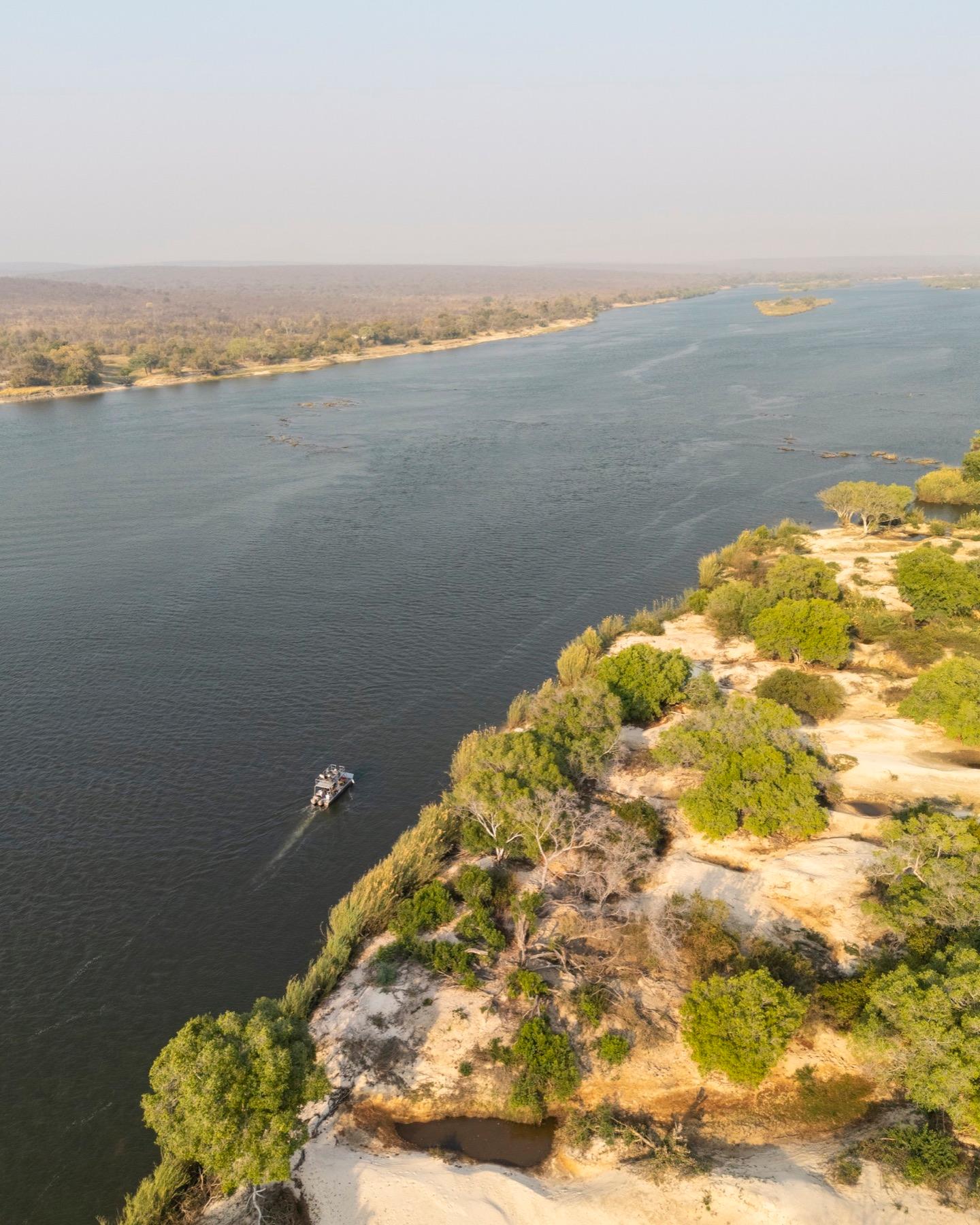
Victoria Falls sits inside protected parks on both sides. Livingstone town is about 10 km away and Victoria Falls town about 1 km; neither is a large city. At night the falls are unlit, and around the full moon in the wet months you can sometimes see a lunar rainbow in the spray. Upstream, the Zambezi is wide, slow and full of hippos, with elephants crossing between the islands in the dry season.
Time and cost
Niagara: a day trip from Toronto works, and a long weekend covers it well. Most visitors drive.
Victoria Falls: most people need a long-haul flight to Johannesburg and then a regional flight, so it rarely makes sense for fewer than three nights. Our trip cost guide breaks down what to budget. The falls themselves take a morning per side; the rest of a stay is the river, the gorge and often a safari day in Chobe.
Which to choose
They are not really alternatives. Niagara is an easy, well-serviced sight. Victoria Falls is a destination in its own right, and the trip is built around it. If you have seen Niagara, Victoria Falls will not feel like a repeat: it is higher, wider, wilder and far less built up. If the comparison you are making is between the two biggest falls in the southern hemisphere, see Victoria Falls vs Iguazu.
The quietness around Victoria Falls is part of the experience, and it is most obvious on the upper river after dark. Lodges upstream on the Zambian side, such as Zambezi Dusk, run boat safaris on that stretch, a short distance above the falls and far from the bright lights you might associate with Niagara.