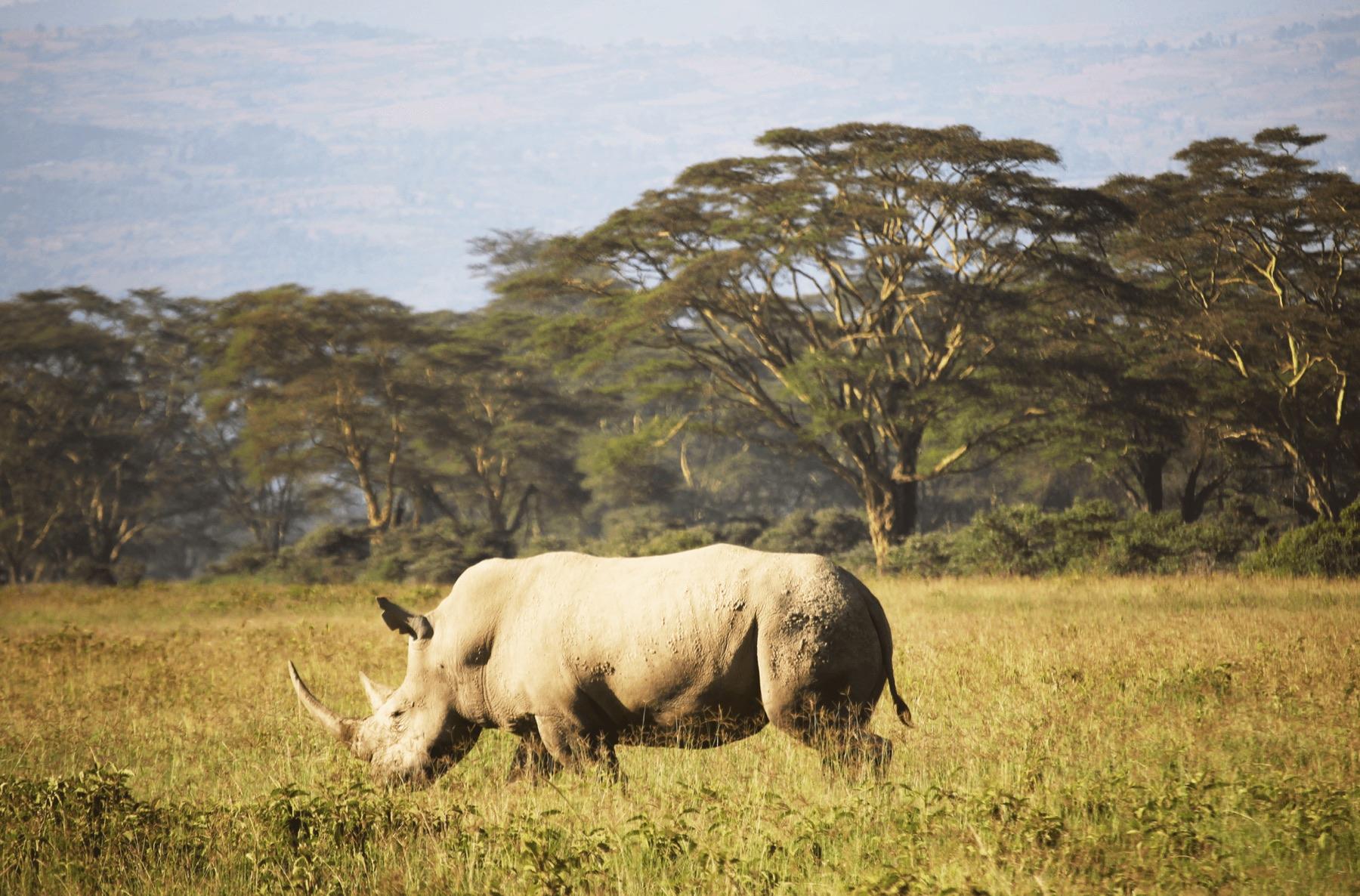
Mosi-oa-Tunya National Park is the Zambian national park around Victoria Falls. It is small, about 66 km², and comes in two parts: the falls section at the border, with the trails and viewpoints most visitors come for, and a game park section a few kilometres upriver near Livingstone, home to giraffe, zebra and a guarded population of white rhino. The falls section is the one you pay for at the main gate; the game park is usually visited on a guided activity.
The falls section
The entrance is next to the Zambian border post, about 10 km from Livingstone town centre. From the gate a network of paved and gravel paths leads to the viewpoints.
The main trail and Knife-Edge Bridge
The most visited path runs along the edge of the Eastern Cataract and out to Knife-Edge Bridge, a footbridge across a narrow chasm to a rocky point facing the falls. In high water, roughly February to June, you will be soaked crossing it: the spray comes down like a heavy storm and it is hard to see more than a few metres. Raincoats are hired out near the entrance, and a plastic bag for your phone is wise.
From about September onwards the spray drops away and the view opens up. By October and November the Eastern Cataract on the Zambian side can be almost dry, leaving bare rock where the water was. Some visitors find this disappointing; others like seeing the geology of the gorge. Our month-by-month Victoria Falls weather guide shows what to expect.
The Boiling Pot trail
A steep path drops from near the car park to the Boiling Pot, the whirlpool where the river turns out of the First Gorge. It is a stiff climb back up in the heat, so go early, take water and wear proper shoes. The path can close when the river is very high.
The lip of the falls
The park trails keep you on the mainland. The lip of the falls itself, and the pools on its edge, are reached by boat on the Livingstone Island tour, which is booked separately and not covered by the park fee.
Hours and fees
The falls section is usually open from about 06:00 to 18:00. For years the international entry fee was US$20 per person per day; a reported rise to US$30 was due to take effect in January 2026, though we could not find an official published tariff confirming it. Fees for Zambian residents and SADC visitors are lower. Carry US dollars in small notes in case card machines are down.
Around full moon in high-water months, the park sometimes opens for evening visits to see the lunar rainbow in the spray. These dates and fees are announced locally.
The game park section
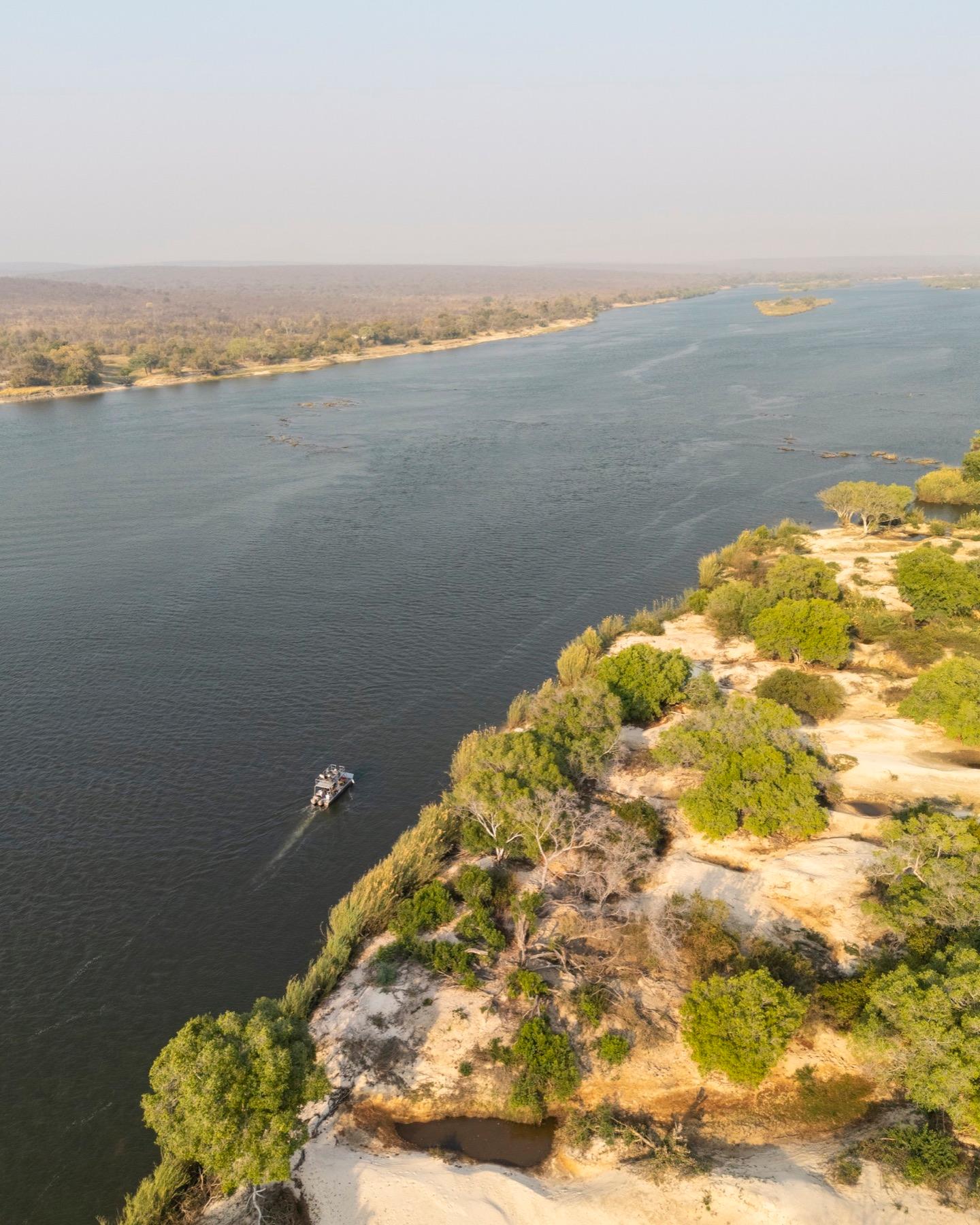
The game area sits along the Zambezi upstream of Livingstone, a short drive from town. It has no lions, leopards or other large predators. You will see giraffe, zebra, buffalo, wildebeest, impala and warthog, plus hippo and crocodile in the river and a good list of birds. Elephants also come and go, sometimes crossing from the islands in the river.
Within the park is the Old Drift cemetery, the burial ground of the early European settlement on the river before the town moved to its present site.
Rhino walks
The park's white rhino are guarded around the clock by armed wildlife scouts of the Department of National Parks and Wildlife. Tour operators run combined game drives and rhino walks: typically a couple of hours in an open vehicle, then an hour or so on foot with a scout who knows where the animals are that day. Because the rhino are used to people, the scouts can often bring you within a few tens of metres of them.
At the time of writing these walks cost roughly US$85–100 per person, sometimes with a park fee on top, and some operators need a minimum of three people. Early morning is best, both for the heat and for rhino activity. Wear muted colours and closed shoes.
Guests at Zambezi Dusk can have a rhino walk arranged through the lodge's partner operators, alongside a falls visit.
Self-driving
You can drive into the game park in your own vehicle, but a guide is required at the gate and you cannot approach the rhino without the scouts. Most visitors find a guided trip easier.
When to go
| Months | Falls section | Game park |
|---|---|---|
| February to June | Huge spray, very wet, views often obscured | Thick grass, animals harder to see |
| July to September | Good balance of flow and visibility | Thinning bush, good game viewing |
| October to December | Low water, Zambian side sparse, hot (mid-30s °C) | Animals near the river, very good viewing |
If you mainly want the full-curtain view of the falls, the Zimbabwean side has more of the main falls in front of it, especially late in the year. Our comparison of Zambia and Zimbabwe for Victoria Falls sets out the trade-offs, and the best time to visit guide covers the flood cycle in detail.
Practical tips
- Arrive at opening time in high season. Tour groups build from about 09:00.
- Bring a dry bag or zip-lock for phones from February to July.
- Baboons around the car park and trails will grab food and bags. Keep snacks out of sight.
- Toilets and craft stalls are near the entrance; there is little else along the trails, so carry water.