Canoeing the Zambezi near Livingstone means a guided half or full day paddling the upper river, the broad, slow stretch above Victoria Falls, among islands and channels with the Zambezi National Park of Zimbabwe on the far bank. There are no big rapids, just a few ripples, and you paddle two to a canoe with a guide leading. At the time of writing a half day costs roughly US$105 to US$145 per person and a full day more.
What a day looks like
You are collected from your lodge or hotel in Livingstone and driven upstream to a put-in point on the Zambian bank. Distances depend on the section, but expect 30 to 60 minutes on the road. After a safety briefing and a short lesson in steering, you set off in stable two-person canoes, usually inflatable or open Canadian-style boats, with a guide in his own canoe out front.
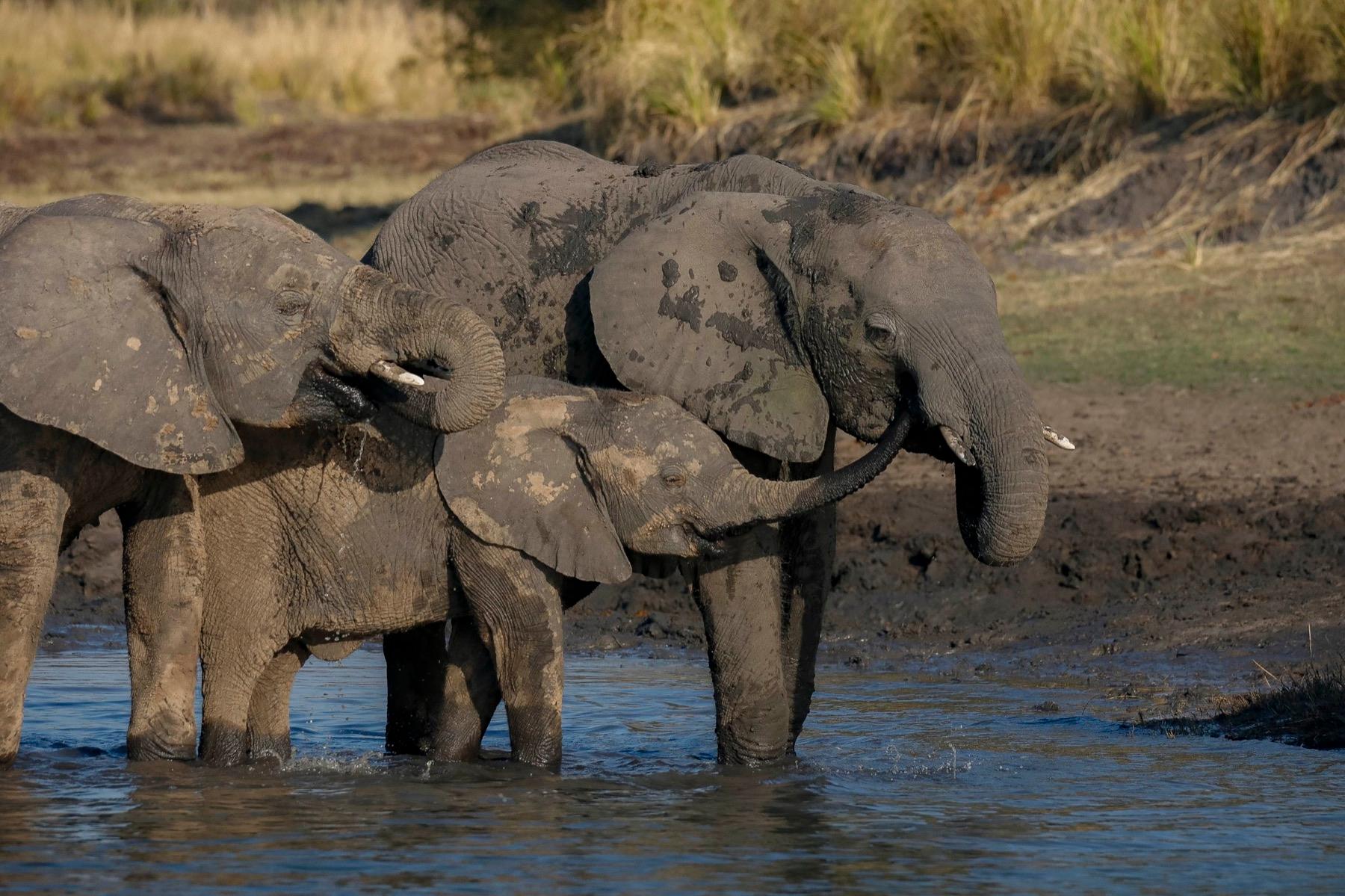
The paddling is gentle, with the current behind you. The guide threads you through side channels between islands, where the water is shallow and the birdlife busy: kingfishers, herons, fish eagles, African skimmers on the sandbanks from about August. Elephant, buffalo and waterbuck come down to drink on the islands and the Zimbabwean bank, and hippos and crocodiles are a constant presence.
- Half day: roughly 4 to 5½ hours door to door, often 08:00 to 13:30, with drinks and snacks on an island.
- Full day: about 9 hours, with a cold lunch on the bank.
Some operators also run overnight trips with camping on the islands. These need more planning and are worth asking about if you have the time.
Hippos, crocodiles and safety
Hippos are the reason canoeing here needs a guide. They are territorial and spend the day in water about 1 to 2 m deep, which is exactly where canoes go. Guides plan routes along shallow channels, keep well clear of pods in deep water, tap the side of the canoe to warn a hidden animal, and stop and wait if one is in the way. Most trips pass dozens of hippos without anything more than a grunt.
Crocodiles generally avoid canoes but you should not trail hands or feet in the water, and swimming is out of the question.
Questions to ask:
- How many years has the lead guide been guiding on this stretch, and what qualifications does he hold?
- How many canoes per guide? Two to four is reasonable; more than that is a stretch.
- Is there a back-up boat or vehicle on standby, and is there a radio or phone signal?
- What happens if a canoe tips over? (Answer: you stay with it and the guide comes to you.)
Life jackets should be provided and worn.
Best months
| Months | River | What it means for canoeing |
|---|---|---|
| June to August | Falling, clear | Cool mornings, good wildlife on the islands, comfortable paddling |
| September to November | Low | More sandbanks and channels; hot, often above 35 °C by midday |
| December to February | Rising | Rains and storms; trips run but may be cut short |
| March to May | High | Strong current and flooded islands; some routes change or close |
Most guides prefer June to October. Check the best time to visit Victoria Falls for how the flood moves through the year.
Who can go
- Age: usually 12 and up.
- Fitness: reasonable. You will paddle for several hours, though the current helps.
- Experience: none needed for a half day.
- Weight: no fixed limit has been published by most operators, but ask if you are tall or heavy, since it affects which canoe you get.
What to wear and bring
- A wide-brimmed hat that ties on, sunglasses with a strap, high-factor sunscreen.
- Long, light sleeves: the reflected sun off the water is fierce.
- Sandals or shoes that can get wet.
- A dry bag for your phone and camera. Operators sometimes supply one, but do not count on it.
- Something warm for June and July mornings, when it can be under 10 °C at the start.
Insect repellent is useful in the late afternoon. Read our page on health and malaria for the bigger picture.
Canoe or boat cruise?
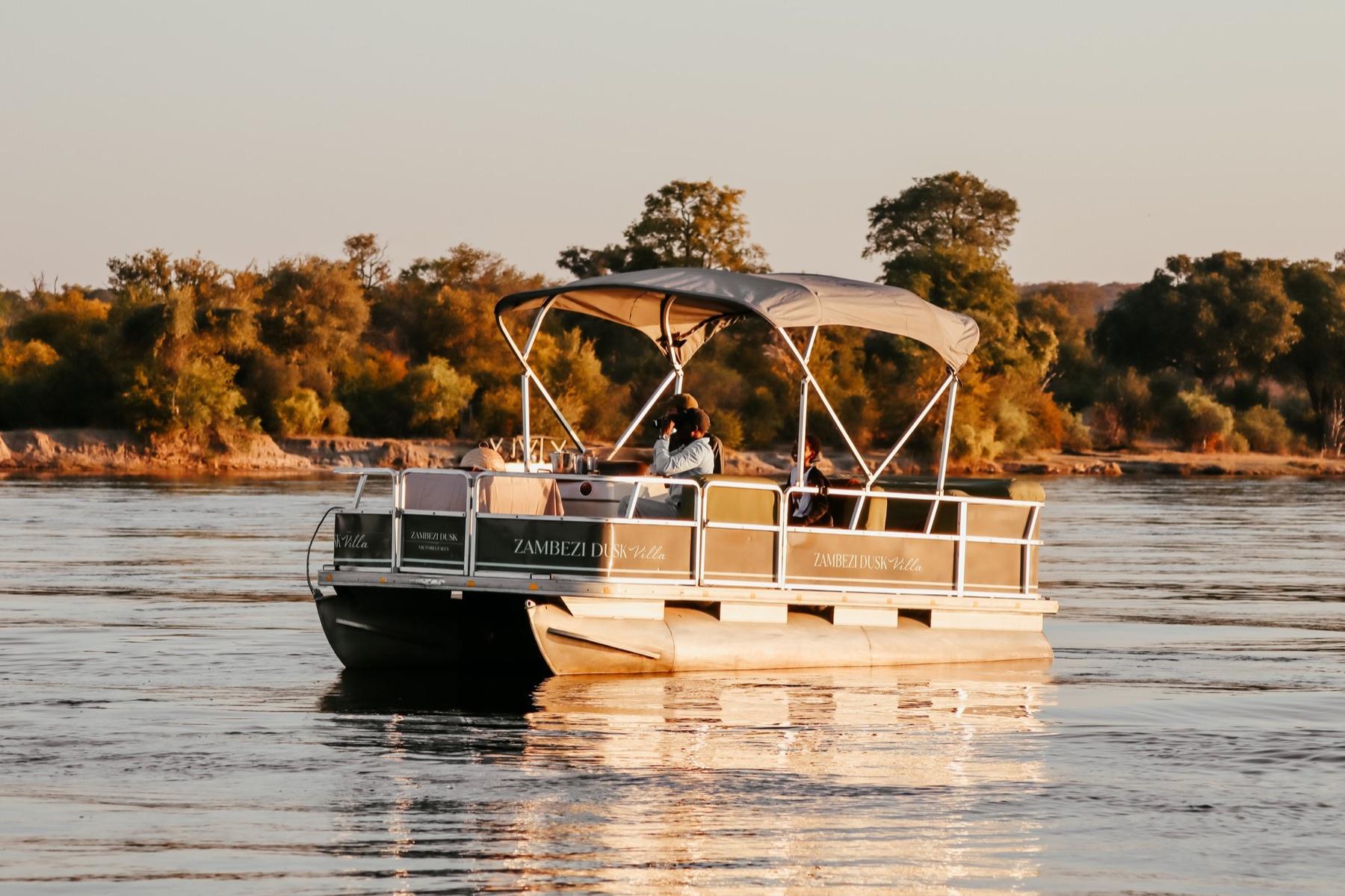
A canoe gets you lower, quieter and closer than a motor boat, and you work for it. A boat safari covers more river with less effort and is the better option for anyone who does not want to paddle, or for photography with long lenses. Zambezi Dusk, upstream of the falls on the Kazungula Road, includes two guided boat safaris a day from its own riverbank, so guests there already see this stretch of river from the water; canoeing is not on its list of partner-run experiences, so you would book it separately. For an evening on the water without a paddle, see our guide to the sunset cruise on the Zambezi.