September is the month for doing things at Victoria Falls rather than just looking. Devil's Pool is open, the rafting operators run the full low-water route through the gorge, and wildlife gathers along the Zambezi in the dry heat. The falls themselves are well past their peak: the Zimbabwean side still has a strong flow, while the Zambian side breaks up into separate falls and bare rock. It gets hot, dry and hazy.
Water level and spray
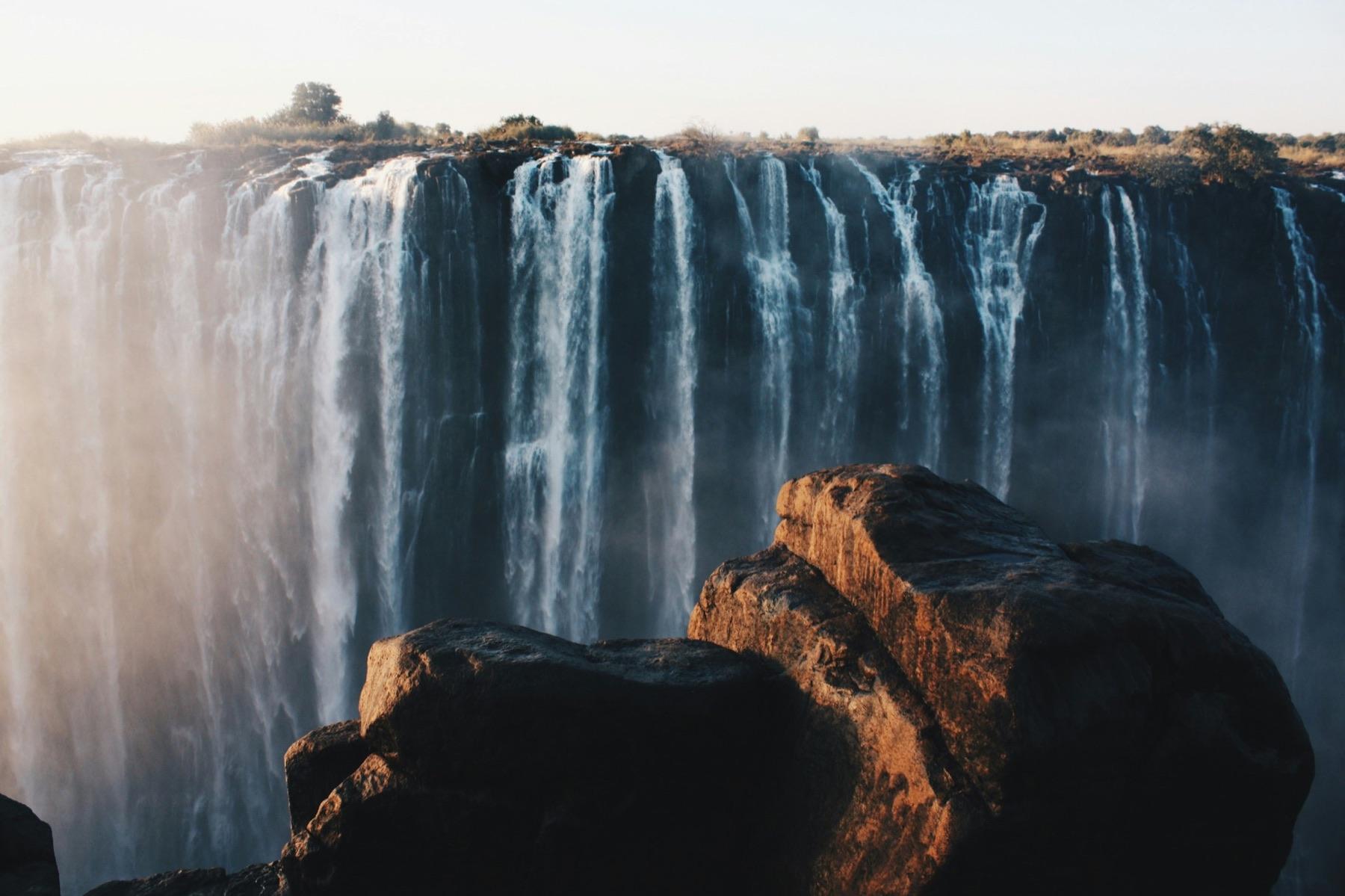
The river continues its long fall towards the November low. On the Zambian side, the Eastern Cataract and the face nearest Livingstone Island are now separate streams over dark basalt, and in a dry year parts are already bare by the end of the month. The rainforest path gives clear views of the gorge, the lip and the rock faces, which some people find more interesting than the full curtain. You will stay dry.
From Zimbabwe, Main Falls and Devil's Cataract still carry most of the flow and look substantial. If the full-falls view matters to you, spend a morning on that side; Victoria Falls: Zambia or Zimbabwe explains the crossing. The KAZA UniVisa covers both countries if you are eligible.
Weather
Typical highs are about 33°C and lows about 15°C. Rain is very rare, averaging about 1 mm. Humidity is at its lowest of the year, often around 30%. The heat builds through the month, and late September can reach 36°C or more. Bush fires across the region leave a haze that softens distant views and makes for orange sunsets. Plan anything strenuous, including the walk down to the Boiling Pot, for early morning.
What's open
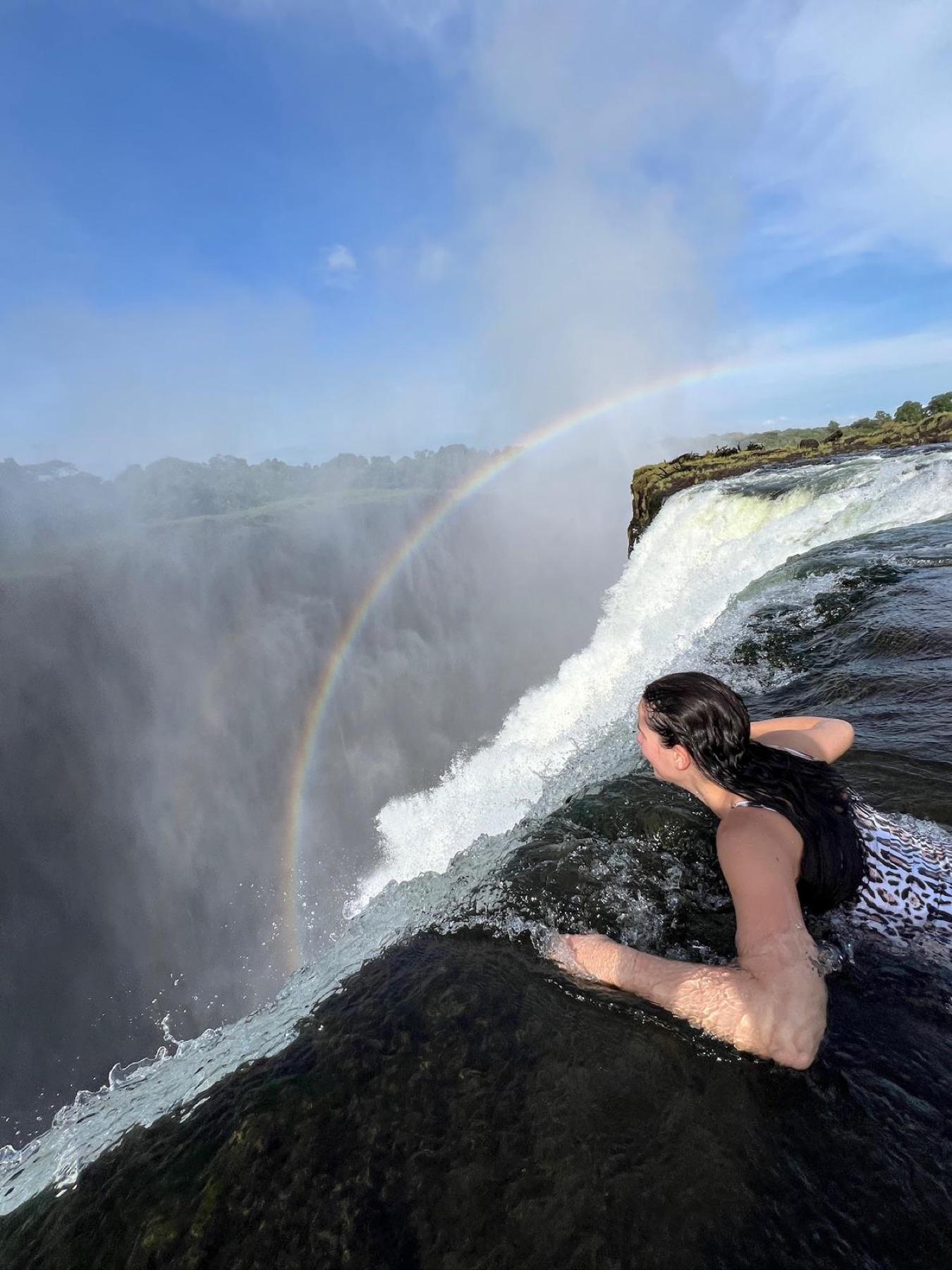
- Devil's Pool. Usually open all month. Tours run several times a day from Livingstone Island, with set group sizes, and sell out in high season. Book ahead and choose an early slot if you can. It is a guided swim at the very edge of the falls; listen to the guides, who decide whether conditions are safe on the day. See Livingstone Island.
- Rafting. The full low-water run, typically rapids 1 to 21 or so, which many consider the best one-day commercial whitewater trip in the world. Expect a long day and a steep walk out of the gorge in the heat.
- Lunar rainbow. Unlikely; there is too little spray on either side.
- Flights. Running, but haze can reduce views. Morning flights are clearer.
- Tiger fishing, canoeing, sunset cruises. All good. Tiger fishing on the upper Zambezi improves as the water warms and drops.
Wildlife and birding
The dry season is at its height and the upper Zambezi is the only reliable water for many animals. Elephant herds come down to drink and cross every afternoon, hippos pack into the deeper channels, and crocodiles bask on exposed sandbanks. Game drives in Mosi-oa-Tunya National Park are productive, and a day trip to Chobe in Botswana is excellent, with large herds of elephant and buffalo along the Chobe riverfront.
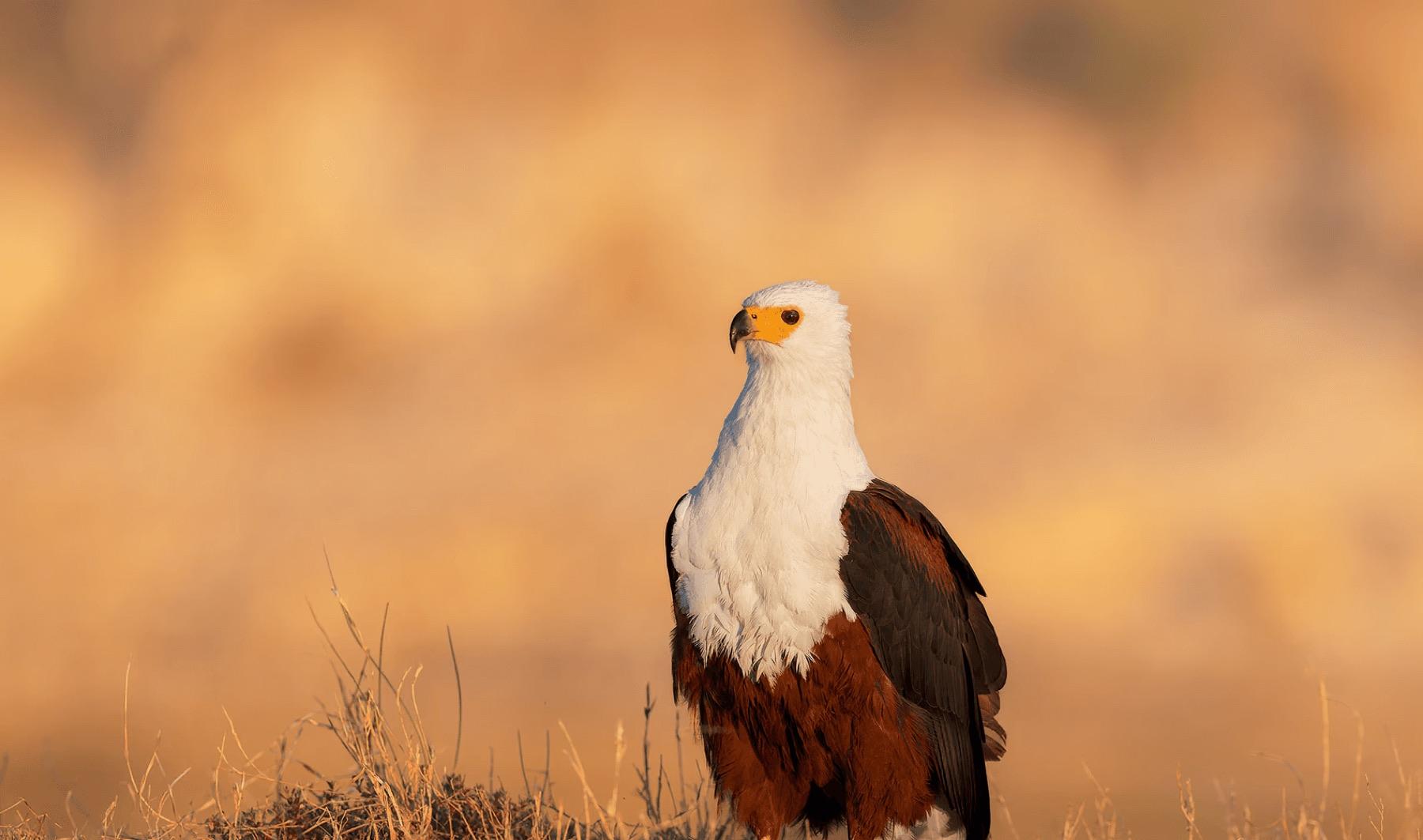
For birders, the carmine bee-eaters arrive and begin nesting in sandy riverbanks along the Zambezi, usually from September to November. African skimmers work the calm water near the sandbanks, and rock pratincoles nest on the rocks above the falls.
Crowds and rates
September is still high season, with peak rates at most lodges. Numbers are slightly lower than in July and August, as European school holidays end, but popular activities, especially Devil's Pool, still book out. Book accommodation months ahead and activities as soon as your dates are firm.
What to pack
- Light, breathable clothing in cotton or linen, and a wide-brimmed hat.
- Swimwear and a quick-drying towel for Devil's Pool, plus sandals or water shoes.
- High-factor sunscreen and sunglasses; the sun is fierce.
- A reusable water bottle and electrolyte sachets.
- A light fleece for early boat trips; mornings are still fresh in early September.
- Insect repellent and malaria advice from a travel clinic.
Go if, skip if
Go if Devil's Pool or rafting the full Zambezi gorge is on your list, if you want excellent wildlife along the river and in Chobe, or if you are interested in the geology of the falls.
Skip if you want to see the Zambian side as a full curtain of water, or if heat in the mid-30s wears you out. Photographers who want crisp, long views may be frustrated by the haze.
Staying cool
Do the falls and active trips early, rest through the middle of the day, and get back on the river in the late afternoon when the animals come down. A room near the water and a pool to retreat to make a September trip far easier. On the upper river, Zambezi Dusk's tents, chalets and villa are about 30 minutes from the falls by road.
For the full year, see Victoria Falls weather by month and the best time to visit Victoria Falls. The months either side are August and October.