In most years, April is the month the Zambezi peaks at Victoria Falls. The spray column is at its tallest, the noise is constant, and the paths on the Zambian side are as wet as they get. At the same time the local rainy season has nearly finished, so the days are mostly sunny and the evenings start to cool. For scale and spectacle this is the month; for clear photographs from the ground, it is one of the worst.
Water level and spray
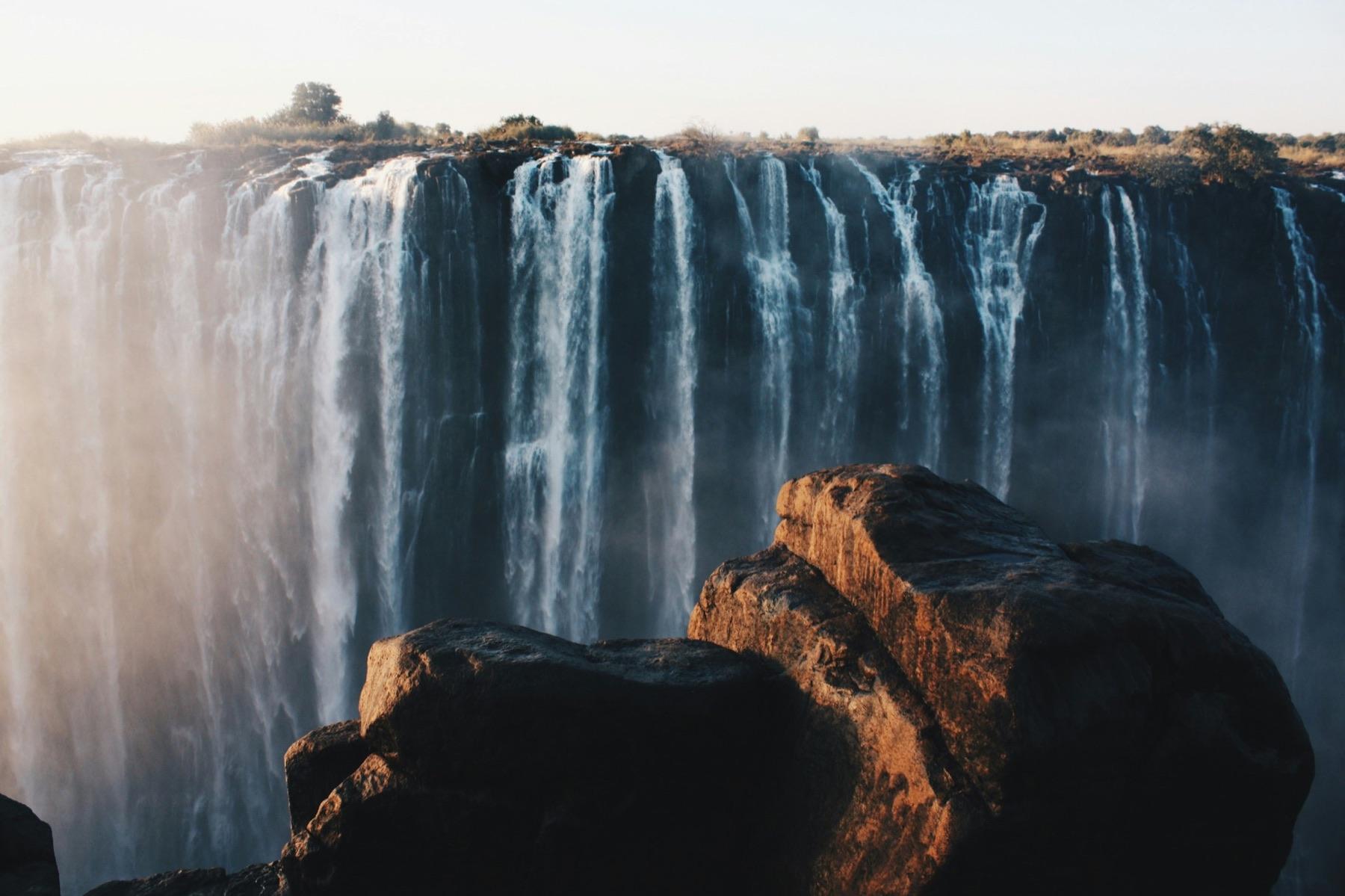
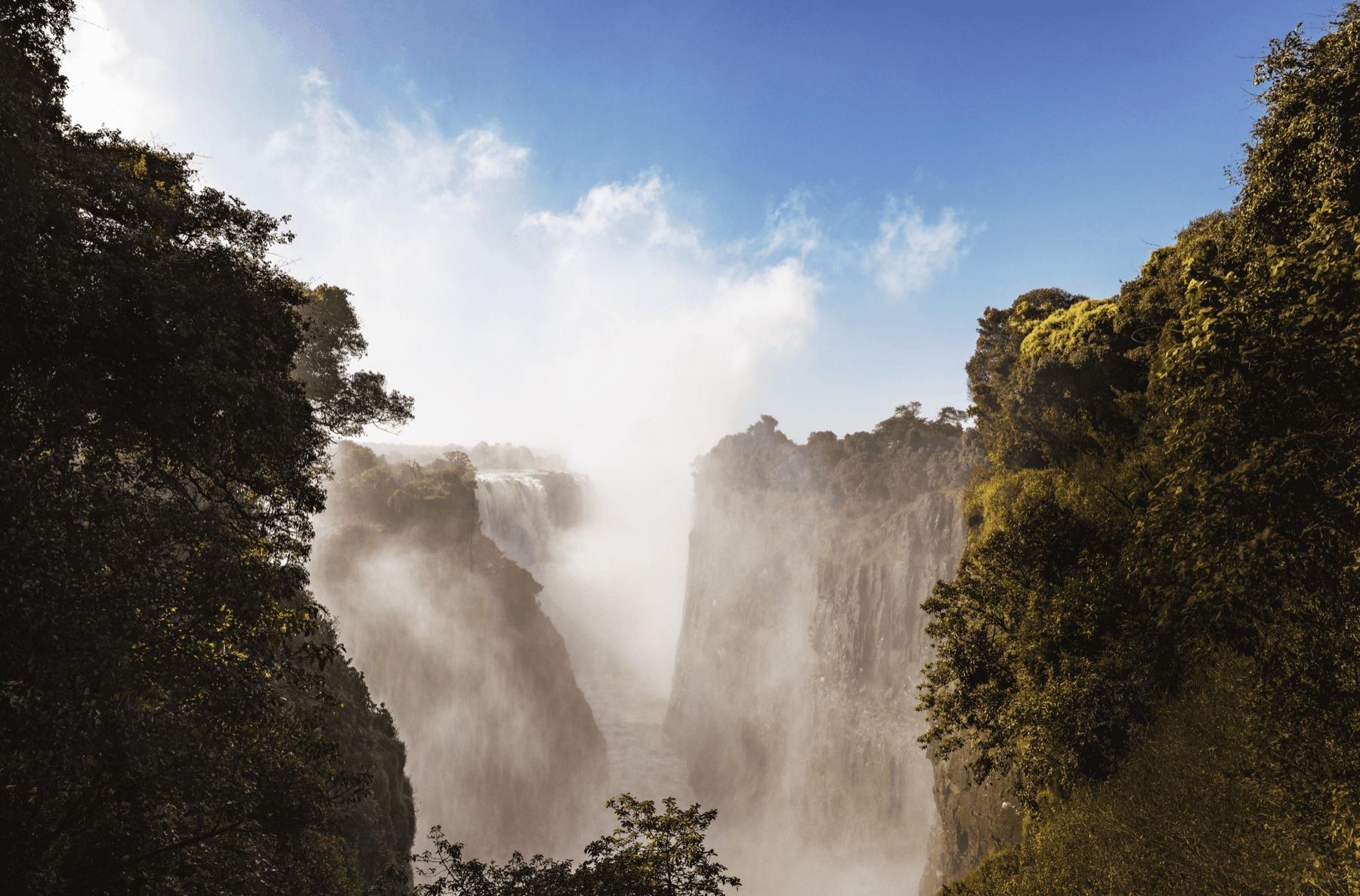
The Zambezi River Authority's readings show how big the swing is: early April 2026 recorded about 4,100 cubic metres per second, against about 220 the previous November. That water has nowhere to go but over the edge and up as spray. On a clear day the plume rises hundreds of metres, and you can see it from the airport and from boats far upstream.
On the Zambian side, walking the rainforest path and crossing the Knife-Edge Bridge is like standing in a heavy downpour. Visibility drops to a few metres when the wind blows the spray back at you. Some people love this; others come away with nothing to show but wet clothes. The Zimbabwean side, with the gorge between you and most of the falls, gives better views, particularly in the morning before the wind picks up.
The Boiling Pot, at the foot of the first gorge, is a churning mass of brown water in April. The steep path down is sometimes closed at the highest levels, so ask before planning the walk.
Weather
Highs are typically about 30°C, lows about 16°C. Rainfall averages about 20 mm over 3 or so days, so most of April is dry. Humidity drops through the month, usually from about 70% to nearer 60%. The bush is still green and the sky is often clear blue, which makes the white plume stand out from the air.
What's open
- Devil's Pool. Closed. Livingstone Island tours usually stop some time in March, April or May when the river is too high, and stay closed until it drops in June or July.
- Rafting. Often suspended at peak flow. If operators are running, it will be a shortened high-water trip. Do not book a trip around it.
- Lunar rainbow. April is one of the most reliable months. With the rains over, the full moon is less likely to be clouded out, and there is spray to spare. Visit on the night of the full moon or one either side; the rainforest opens late for these nights on both sides, with a separate ticket.
- Flights. The best month for a microlight flight or helicopter, because the air view is the only way to see the whole curtain at peak. Book early in your stay in case of wind.
- Jet boats, bungee, gorge swing. Usually running, though jet boat trips into the gorge depend on the level.
Wildlife and birding
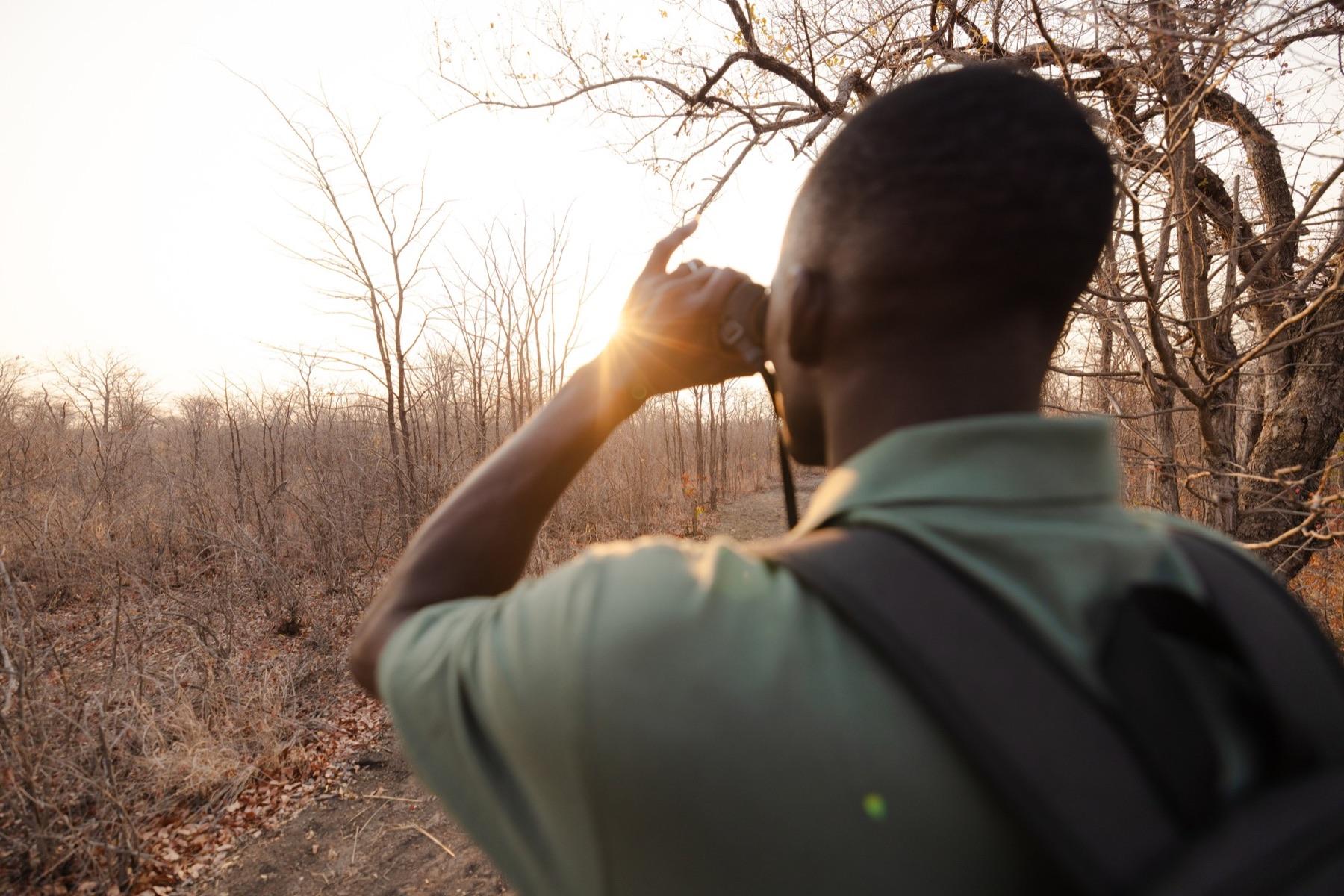
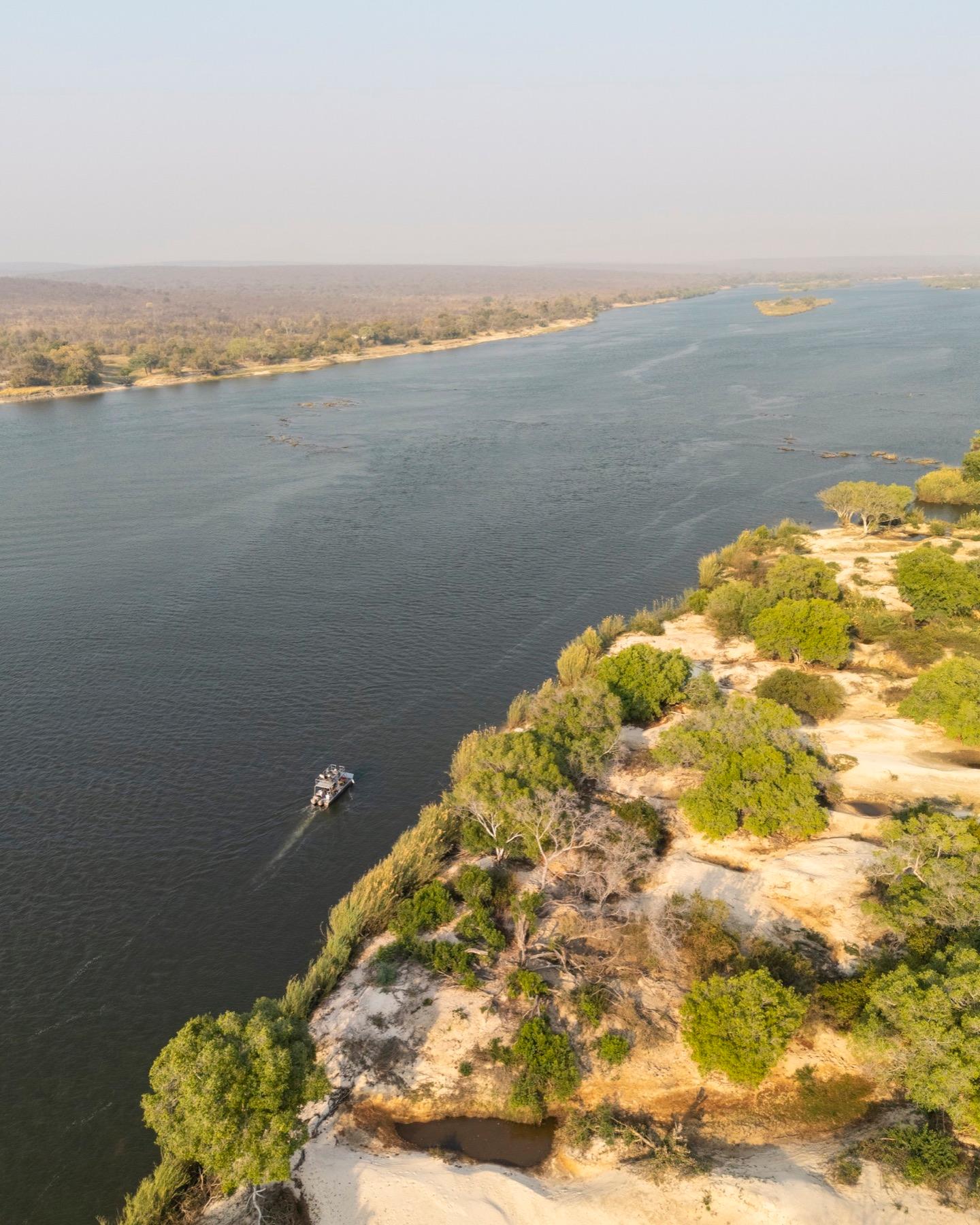
The end of the rains is the start of the change. Pans inland are still full, so animals are spread out, but the grass is beginning to dry. Along the upper river, hippos and crocodiles are easy, and elephants start to appear more often on islands and banks towards the end of the month. Summer migrant birds are leaving; residents such as kingfishers, herons, darters and fish eagles remain. Evening boat trips are pleasant, with mild air and big skies.
Crowds and rates
April is usually a shoulder month. Some lodges switch from green-season rates to mid-season rates during April; others hold low rates until May or June. Easter, when it falls in April, brings a short rush of regional visitors and fills some hotels. Outside that, crowds are light, apart from lunar rainbow nights, when the rainforest can get busy after dark.
What to pack
- A full rain jacket or a long poncho, and waterproof trousers or shorts you don't mind soaking. This is the one month where a poncho genuinely isn't enough on the Zambian side.
- A waterproof case or dry bag for anything electronic.
- Shoes with grip that can get wet. The basalt paths are slippery.
- A warm-ish layer for the evening; nights start to fall below 16°C late in the month.
- Insect repellent. Mosquitoes are fewer than in the rains, but still around; ask a travel clinic about malaria.
Go if, skip if
Go if you want to see the falls at full force, from the air and on foot, and you would rather get soaked than miss it. Go for the lunar rainbow.
Skip if you want clear views from the Zambian paths, Devil's Pool, or rafting. Skip too if you only have one day; a single morning in heavy spray can feel like you didn't really see the falls.
Getting the most from an April visit
Split it: soaking walk on the Zambian side, the view from Zimbabwe on another day, and a flight between the two. Allow at least three nights. Upstream of the falls the river is wide and calm, and a sunset trip shows the plume from a distance. If you stay on that stretch and care how your money is spent locally, read how Zambezi Dusk approaches conservation and community.
See Victoria Falls weather by month and the best time to visit Victoria Falls for the full year, or Victoria Falls: Zambia or Zimbabwe to plan the two sides. Before April: Victoria Falls in March. After it: Victoria Falls in May.