June is the month when the spray at Victoria Falls finally drops enough for you to see what is making it. The curtain is still full across most of the width, the rainbows are bright, and on the Zambian side you get wet in places rather than everywhere. The weather is dry, sunny and cool, with cold mornings. If you have one trip and want to see the falls in full, June is a strong choice.
Water level and spray
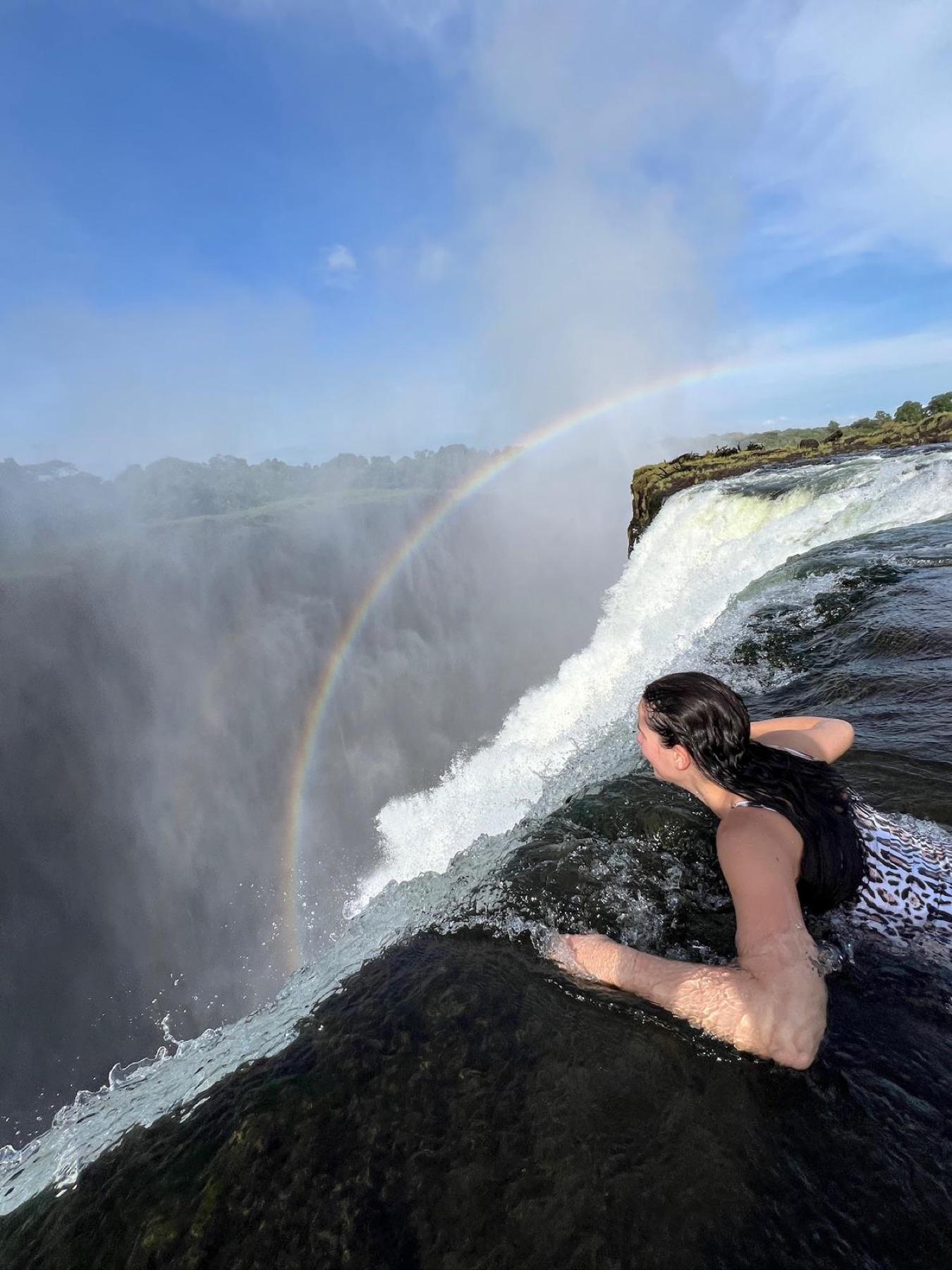
The river is falling steadily from its April peak but is still carrying a lot of water, often more than twice the yearly average. On the Zambian side, you can now see across from the rainforest path to the Eastern Cataract and the face below Livingstone Island for most of the walk. The Knife-Edge Bridge is still wet; expect a good misting rather than a drenching, depending on the wind.
On the Zimbabwean side the views are about as good as they get all year: full water at Main Falls and Horseshoe Falls, with less spray blocking the view. With the sun low in the northern sky, rainbows sit in the gorge for much of the morning.
If you want to compare the two sides directly, our Zambia or Zimbabwe guide explains the border crossing and the KAZA visa that covers both.
Weather
Typical highs are about 26°C, lows about 8°C, and rainfall is effectively zero. Humidity sits around 45–50%. The sky is usually cloudless. The temperature swing is the thing to plan for: you may want a down jacket at 06:30 and a T-shirt by 11:00. Sunrise is late, at about 06:45, and sunset early, around 17:50, so the days feel short.
What's open
- Livingstone Island. Often reopens during June or July as the level drops. Angel's Pool, on the island's edge, may run before Devil's Pool. Devil's Pool itself usually stays closed until about mid-August. Dates move with the river each year; see Livingstone Island.
- Rafting. Operators usually restart with a shorter high-water trip once the level falls below their limit, often during June or July. The full low-water run comes later.
- Lunar rainbow. Still very good. Clear, dry nights and plenty of spray make the June full moon one of the most reliable of the year. Wrap up; the rainforest is cold and wet after dark.
- Flights, bungee, gorge swing, jet boats. All running. Cold, still mornings give smooth helicopter flights.
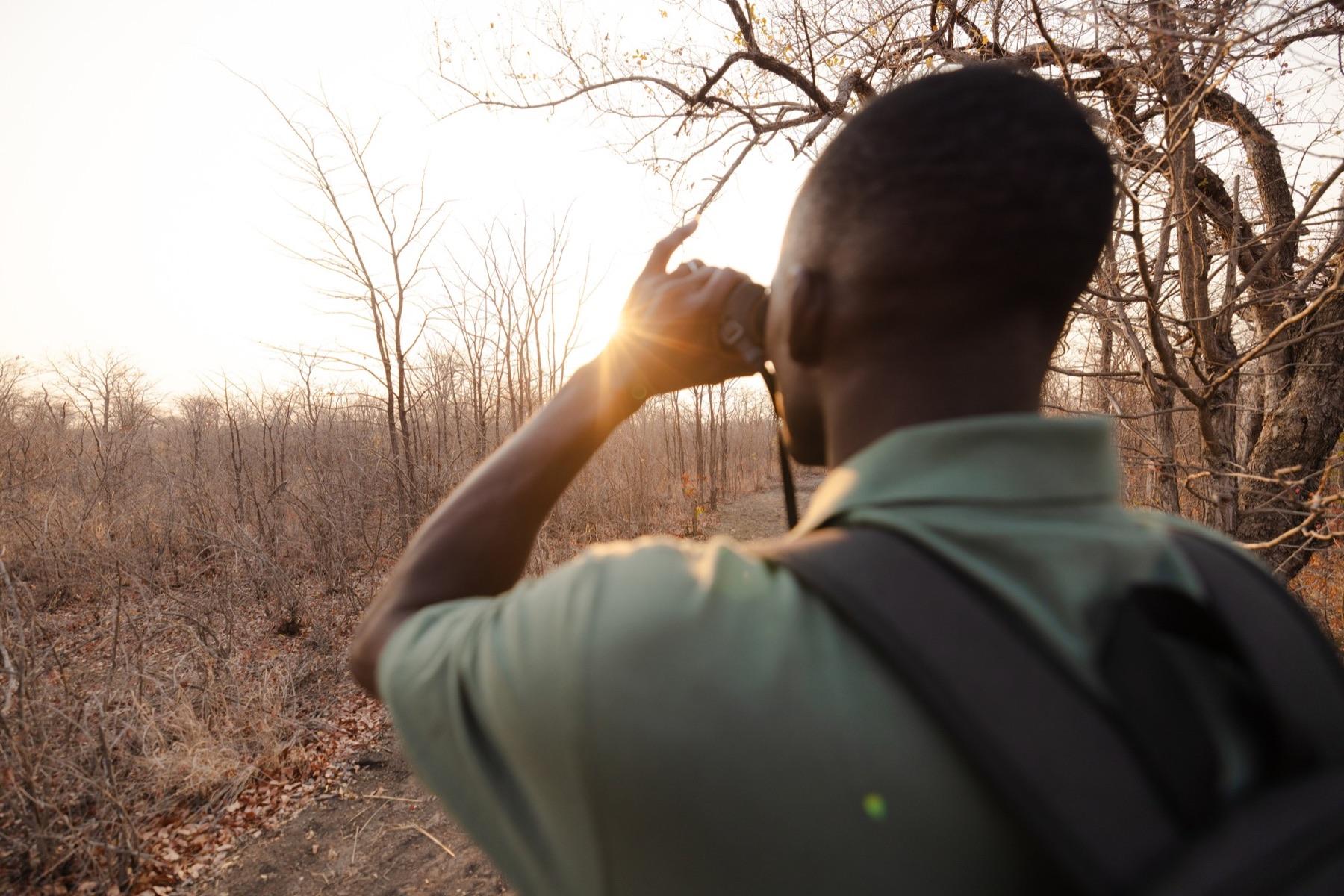
- Walking safaris and rhino walks. Better than earlier in the year, as the grass has thinned and dried.
Wildlife and birding
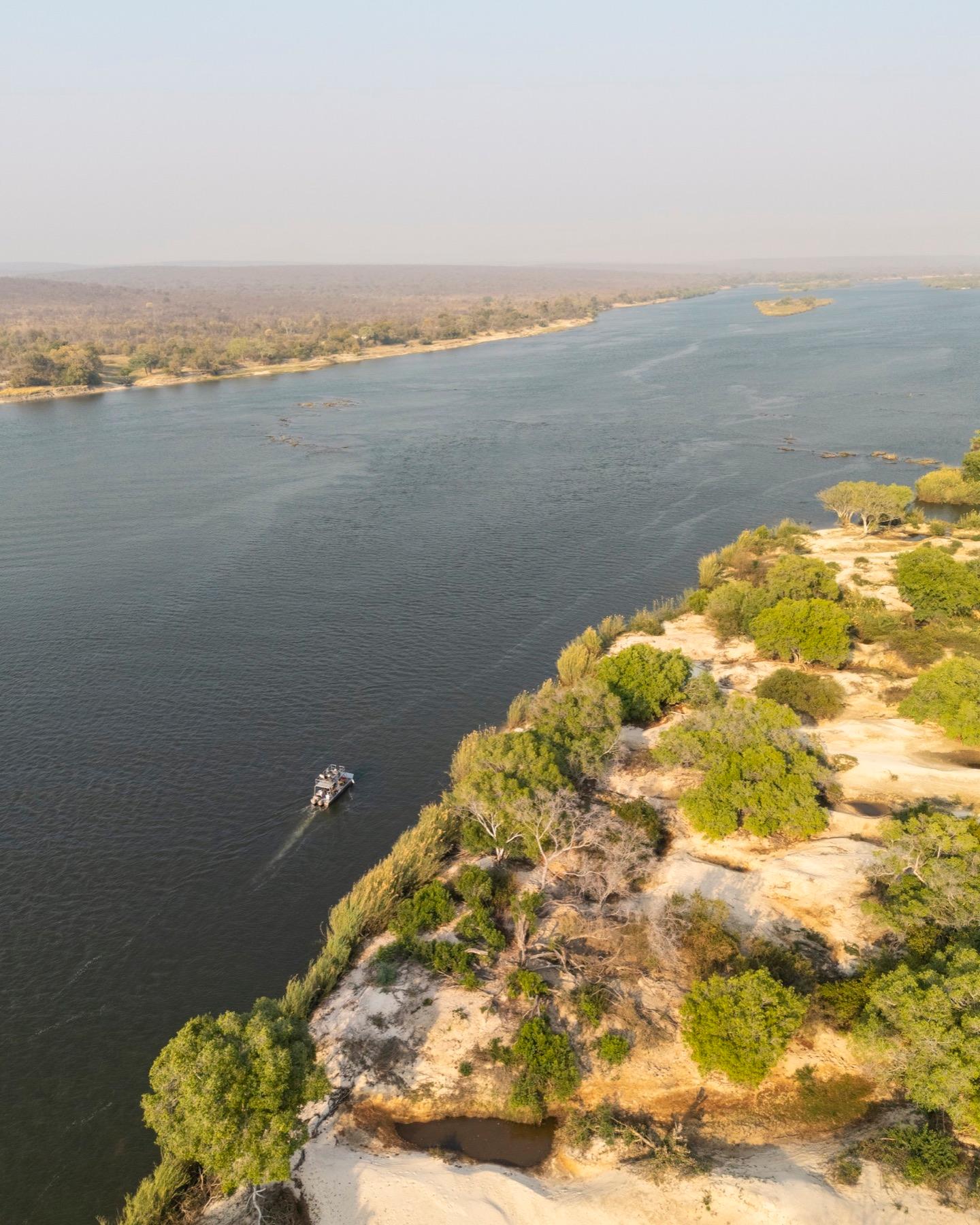
By June the bush is turning gold and inland water is drying up, so animals return to the river. Elephant crossings to the upper Zambezi's islands become regular, especially in the late afternoon, and buffalo and waterbuck graze the banks. In Mosi-oa-Tunya National Park, game is easier to spot as the vegetation thins.
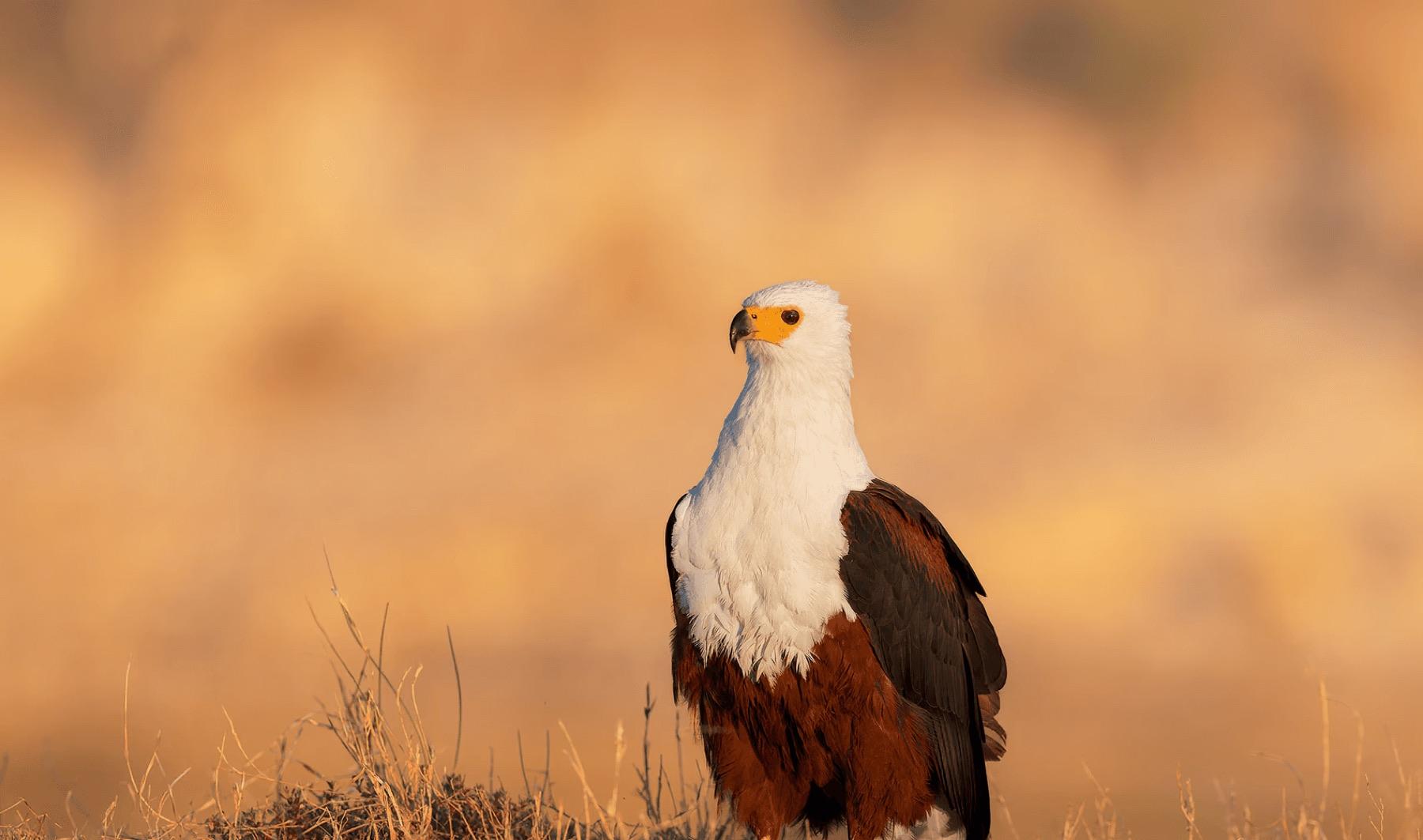
Birding is quieter than in summer, but residents are easy to see on the river and in the riverine forest. Look for Schalow's turaco in the rainforest beside the falls, and in the Batoka Gorge below, raptors such as the Taita falcon, which is scarce and much sought after.
Crowds and rates
Numbers start to build through June. South African school holidays usually begin in late June, and European summer holidays follow in July, so the second half of the month is busier than the first. Many lodges move to high-season rates from June or July. Book helicopter slots and popular activities a week or more ahead, and accommodation well in advance.
What to pack
- A warm jacket (fleece or down), a beanie and light gloves for dawn boat trips and evening drinks.
- A light poncho for the Zambian side.
- Long trousers and closed shoes for walking safaris.
- Sun protection; winter sun at this latitude still burns.
- Insect repellent for the evening. Mosquitoes are fewer but not absent, so get malaria advice from a travel clinic.
Go if, skip if
Go if you want to see the full falls without being blinded by spray, enjoy cool dry weather, and want a strong chance of a lunar rainbow. It is also a good month to combine the falls with a game drive.
Skip if you are mainly after Devil's Pool or the full rafting run (wait for mid-August), or if cold early mornings are a problem. Avoid late June if you dislike crowds.
Planning around the cold
Plan early starts for wildlife, then the falls in late morning when the air is warm and the spray catches the sun. Afternoons on the river are the best part of a June day. Lodges upstream of the falls are some of the quietest places to spend them; the rooms and suites at Zambezi Dusk are on that stretch, about 30 minutes' drive from the falls. Our where to stay in Livingstone guide compares the areas.
For the year in one place, see Victoria Falls weather by month and the best time to visit Victoria Falls. Before June: Victoria Falls in May. After: Victoria Falls in July.