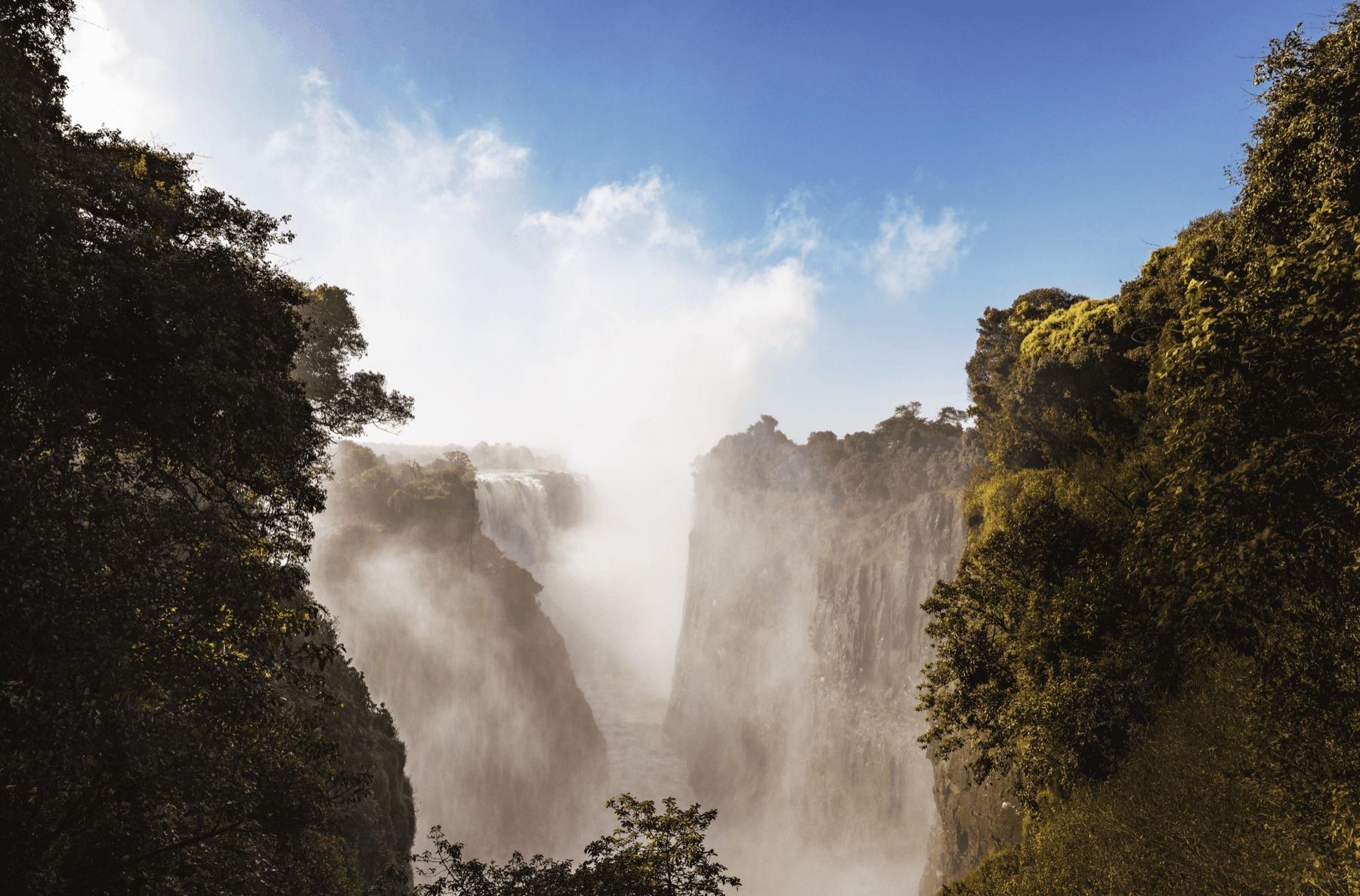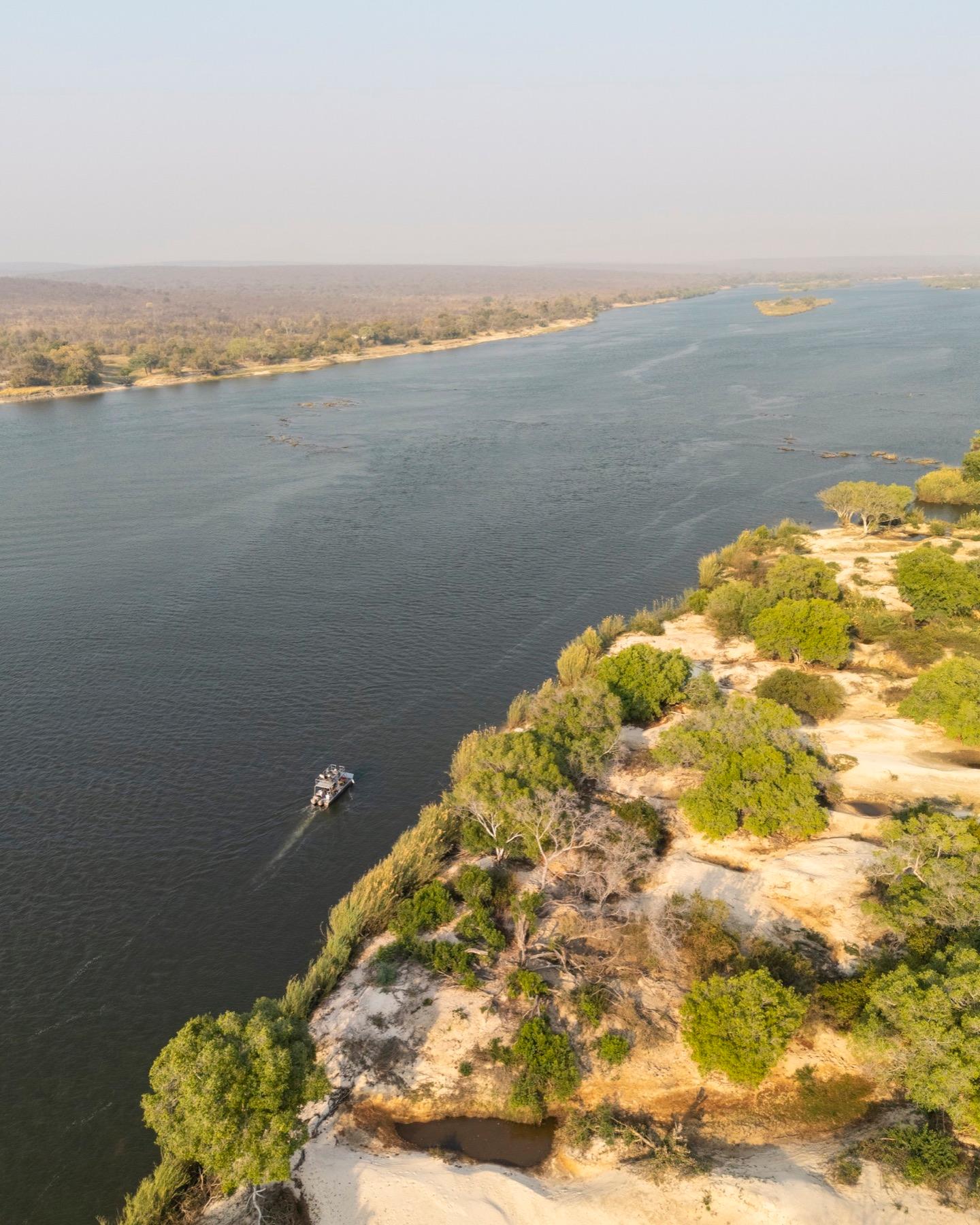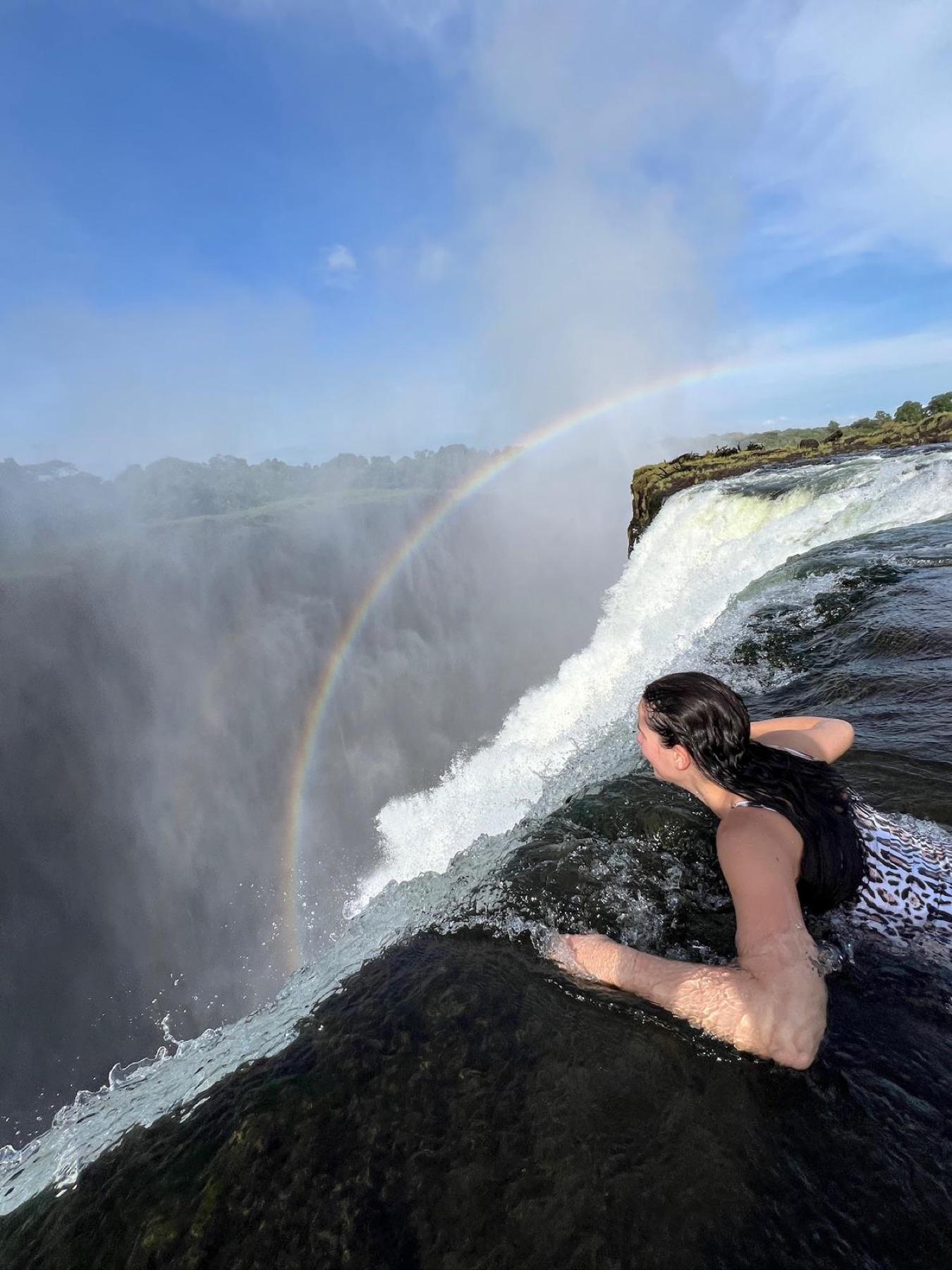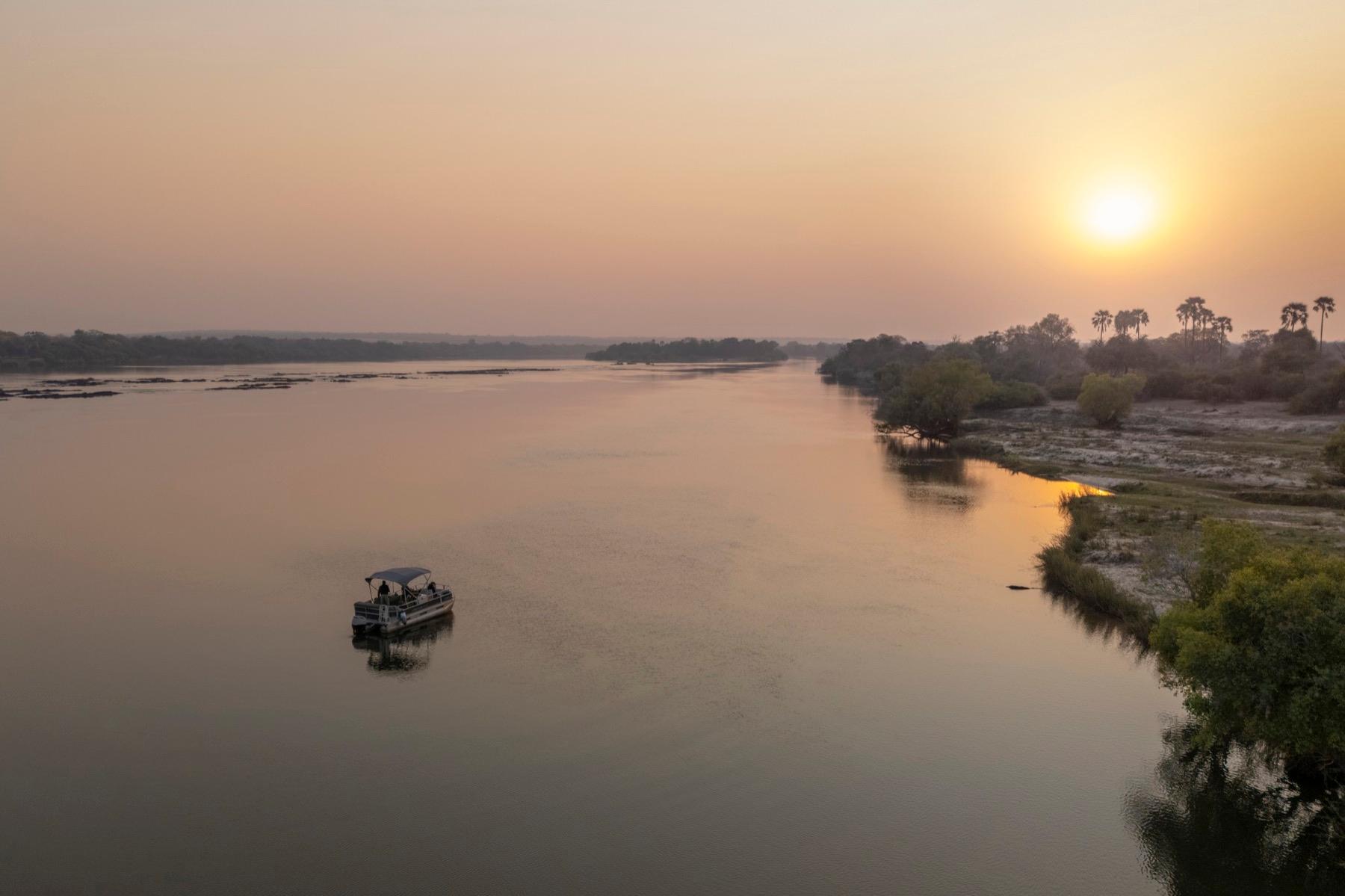
The best photos of Victoria Falls are taken in the morning, from about 07:00 to 10:00, when the sun is behind you on both sides of the gorge and the spray throws up rainbows. Which side you shoot from depends on the season: the Zambian side for close-ups of the Eastern Cataract in high water, the Zimbabwean side for the long, front-on view, especially from August onwards. The air gives the only shot that shows the whole thing.
The geography, briefly
The falls are a curtain of water about 1.7 km wide dropping into a narrow slot gorge. You can't stand back from it the way you can at most waterfalls; you look across the gorge at the face from the opposite edge, often only 60 to 100 m away. That means:
- A wide-angle lens is essential for the whole scene from any one viewpoint.
- Spray rises straight up into your shot when the water is high.
- No single viewpoint on the ground shows the full width.
Season by season
February to May (high water). Huge volume, but spray can hide the falls entirely, and from the Zambian side you may see only white. Shoot from the less exposed viewpoints near the entrances and on the Zimbabwean side towards the western end. The aerial view is spectacular now: the spray column can rise several hundred metres.
June to August. The most reliable months for photographs. Still plenty of water, less spray, clear skies, and strong morning rainbows.
September to December (low water). The Zambian side thins to separate streams over bare basalt, which suits detailed, graphic shots. The Zimbabwean side keeps the Main Falls flowing. This is also Devil's Pool season, and the shots from the lip are famous. Haze from bush fires softens distant views in September and October.
For water levels each month, see the best time to visit Victoria Falls and our comparison of high water vs low water.
Where to stand
Zambian side
- Knife-Edge Bridge. Looks up the Eastern Cataract and down into the Boiling Pot. Brilliant in moderate water, a drenching in high water.
- The Eastern Cataract viewpoints. Close, dramatic views of the rock and water. In October and November you may be photographing rock.
- The Boiling Pot. At the bottom of the gorge, looking up at the bridge. Good mid-morning when light reaches the water. A steep walk with a camera bag.
- The upper river. Above the falls, the path leads to the edge of the river where the water starts to speed up before the drop. A quieter frame without the crowds.
Zimbabwean side
- Devil's Cataract at the western end, with the statue of Livingstone nearby. Strong early light.
- Main Falls viewpoints in the middle of the path. Most rainbow shots are taken here.
- Danger Point at the eastern end, looking down the gorge to the bridge. Unfenced, so mind your feet while framing.
The bridge
From the Victoria Falls Bridge you can photograph the gorge, the bungee jumpers and, in the right light, a side-on view of the Eastern Cataract. Late afternoon light works best here.
From the air
A helicopter flight is the only way to get the whole falls and the zigzag gorges in one frame. Tips:
- Sit on the side the operator suggests; the pilot banks to show both.
- Wear dark clothes to cut reflections in the window.
- Use a fast shutter speed (1/1,000 s or faster) to beat vibration, and focus manually or at infinity if autofocus hunts on the glass.
- Put the lens close to, but not touching, the window.
Microlights have no glass, which gives cleaner photos, but most operators don't let you carry your own camera for safety reasons. They usually fix a camera to the wing and sell you the images.
Kit
- Lenses. A wide zoom (16–35 mm on full frame) for the falls, a standard zoom for people, and a 100–400 mm or similar for wildlife on the river.
- Polarising filter. Cuts glare on wet rock and deepens the sky. Remove it if you want the full strength of a rainbow.
- Neutral density filter. For slow-shutter shots of the water from a tripod. Tripods are allowed on both sides but take space on narrow paths; go early.
- Rain protection. A proper rain cover, or a clear plastic bag and an elastic band. Two microfibre cloths in zip bags.
- Phone. A waterproof pouch with a lanyard. Phones are lost over the edge every year.
Drones
Drones are tightly controlled in both countries. You need permits from the civil aviation authority (and in Zambia, often approval from other agencies too), the falls are a protected site, and Livingstone and Victoria Falls airports are close. Undeclared drones can be held at the border. If you are thinking of bringing one, check the current rules with each country well in advance, and expect the answer to be no.
Beyond the falls
Some of the best photographs from a trip here are taken on the upper Zambezi rather than at the falls: hippos at dawn, elephants crossing between islands, and sunsets over the water. Long boat trips at golden hour give you time to work a scene. Staying on the river helps; a lodge that runs two guided boat safaris a day from the riverbank puts you on the water often, without a drive; ask what times they go out, and plan your camera around them.